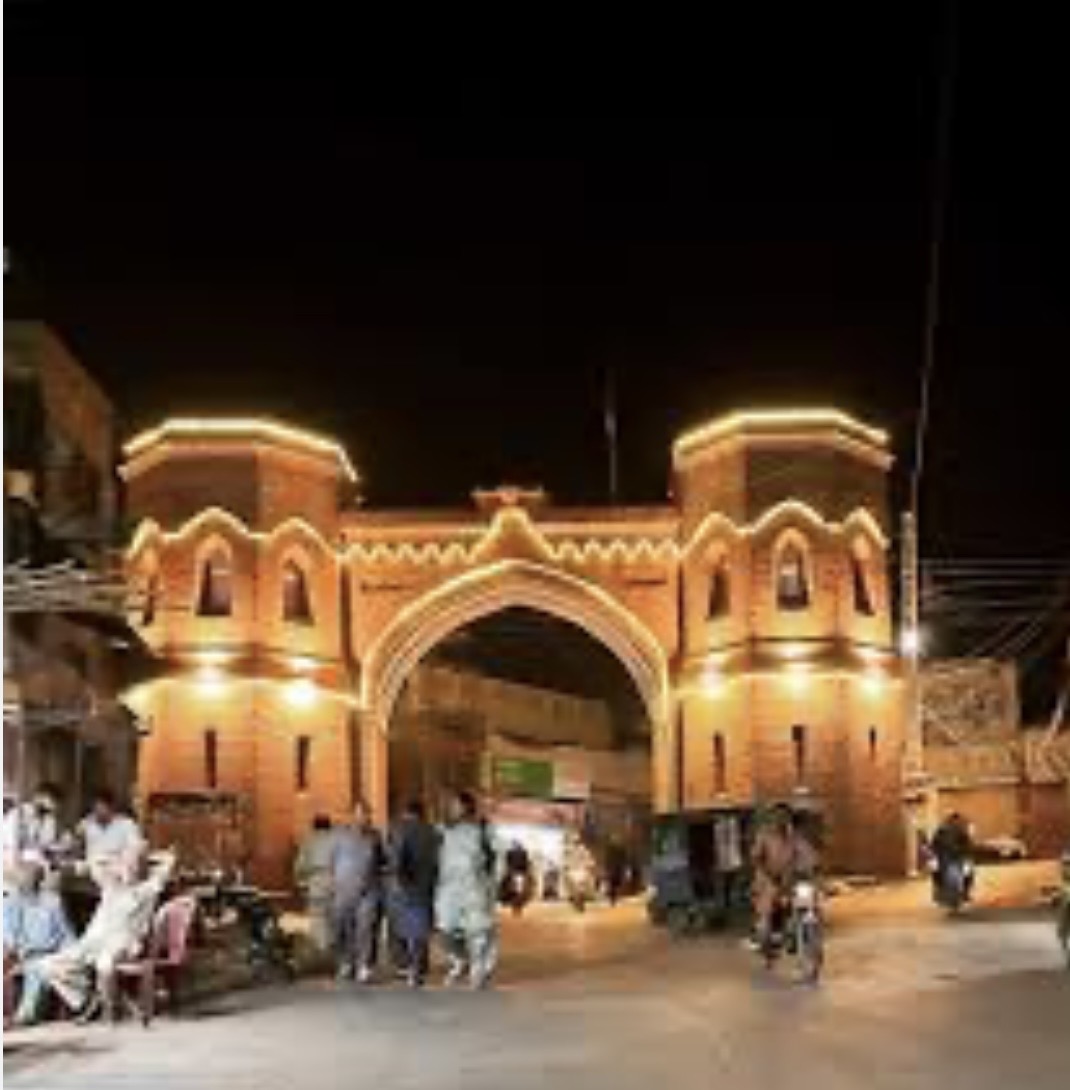
Delhi Gate, as it stands today.in modern Multan Pakistan
Although Punjabi became our main language, I grew up knowing Multani very well and could speak it naturally. In those days, however, among our generation it was not fashionable to speak Multani. Many of our friends considered it a backward village language and often made fun of it. Sadly, it became something of a laughing stock among youngsters who were trying to appear more modern.
Jhangi - a sister language
Life has its ironies. When I moved to Delhi for my first job, I found that many of my close cousins there spoke Multani beautifully and with great ease. Instead of Multani, they would joke about Jhangi, another colorful dialect of the region.
Yet I always enjoyed listening to Jhangi. It has a very earthy humor and a lively rhythm that makes it naturally entertaining. In Panipat, we even had Ram Lila performances in Jhangi, and those plays were full of laughter and wit. Watching them felt like attending a live comedy show, something comparable to the humor and laughter we enjoy today in Shows like those hosted by Kapil Sharma.
So while I was comfortable speaking Multani, at home our primary language remained Punjabi, and in Delhi we naturally slipped into a mixture of Punjabi and Hindi, what I like to call “Punjabish Hindi.”
My Family Roots from Multan
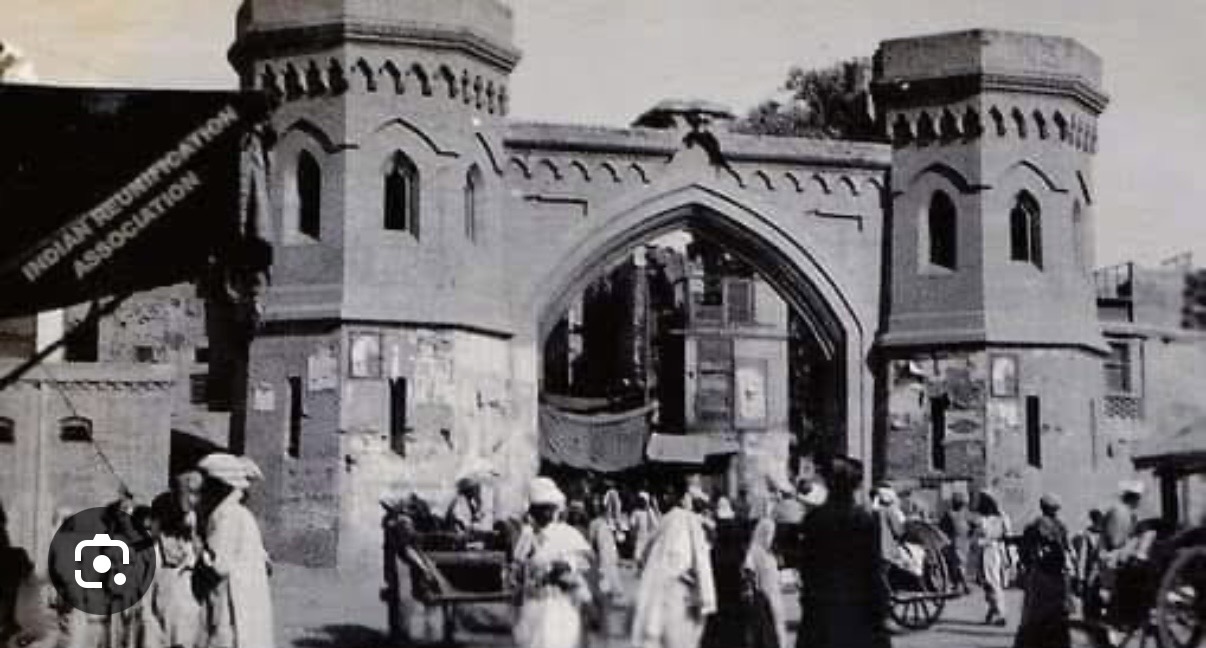
Delhi Gate, Multan from where our family got uprooted. Outside this gate away from city wall, a Mohalla Aghapura was established in 15 th century by our great Ancestor Bhai Nand Lal Goya - a poet Laureate in the court of Guru Gobind Singh.ji.
In our extended family, Multani continued to live on through several branches. My Nanaji’s older children, particularly my elder Mamaji and my Masi’s families, spoke Multani in their homes and many of them still do. Over time, however, language patterns gradually changed with newer generations. Families living in Punjab adopted Punjabi more strongly, while those settled in Delhi moved increasingly toward Hindi. Yet, even where the spoken language changed, the roots of Multani always remained quietly present in our family heritage.
One clear example in our own family is my cousin Mahesh Khanna, a highly respected professional who retired from a top position in the corporate sector, still converses in Multani with his wife and other family members. Being in his nineties and he is settled in Kolkata. Many of my relatives and friends from the older generation continue this tradition. My cousins such as Anand Rajpal, Roop, Pushpa Agnihotri, Narinder Butta, Kooka (Amitabh Khanna), Manju Bhatnagar and my own sister Bhagwant even today speak Multani with each other whenever they meet or talk. They are proud of their heritage.
Interestingly, the language has also passed to the next generation in our own home. My son learned to speak Multani from my Papaji. He understands almost everything and enjoys conversing in Multani whenever the opportunity arises. It gives me great satisfaction to see that a language once mocked in our youth continues to live through the warmth of family conversations.
Multani a Rich Language
‘Sanwsl Mor Muhaaraan’ by Zahida Parveen singing one of of the most popular Multani Kafi, shows the richness of language.
Historically, Punjabi itself evolved from several regional dialects of the Punjab region, including major Multani language. One of the earliest literary traces connected to Punjabi tradition can be found in the verses of the great Sufi saint Baba Farid, written in the Shahmukhi script in the 12th century. His spiritual poetry was later in 15th century included in the Sikh holy scripture, the Sri Guru Granth Sahib, preserving those early linguistic expressions for generations to come.
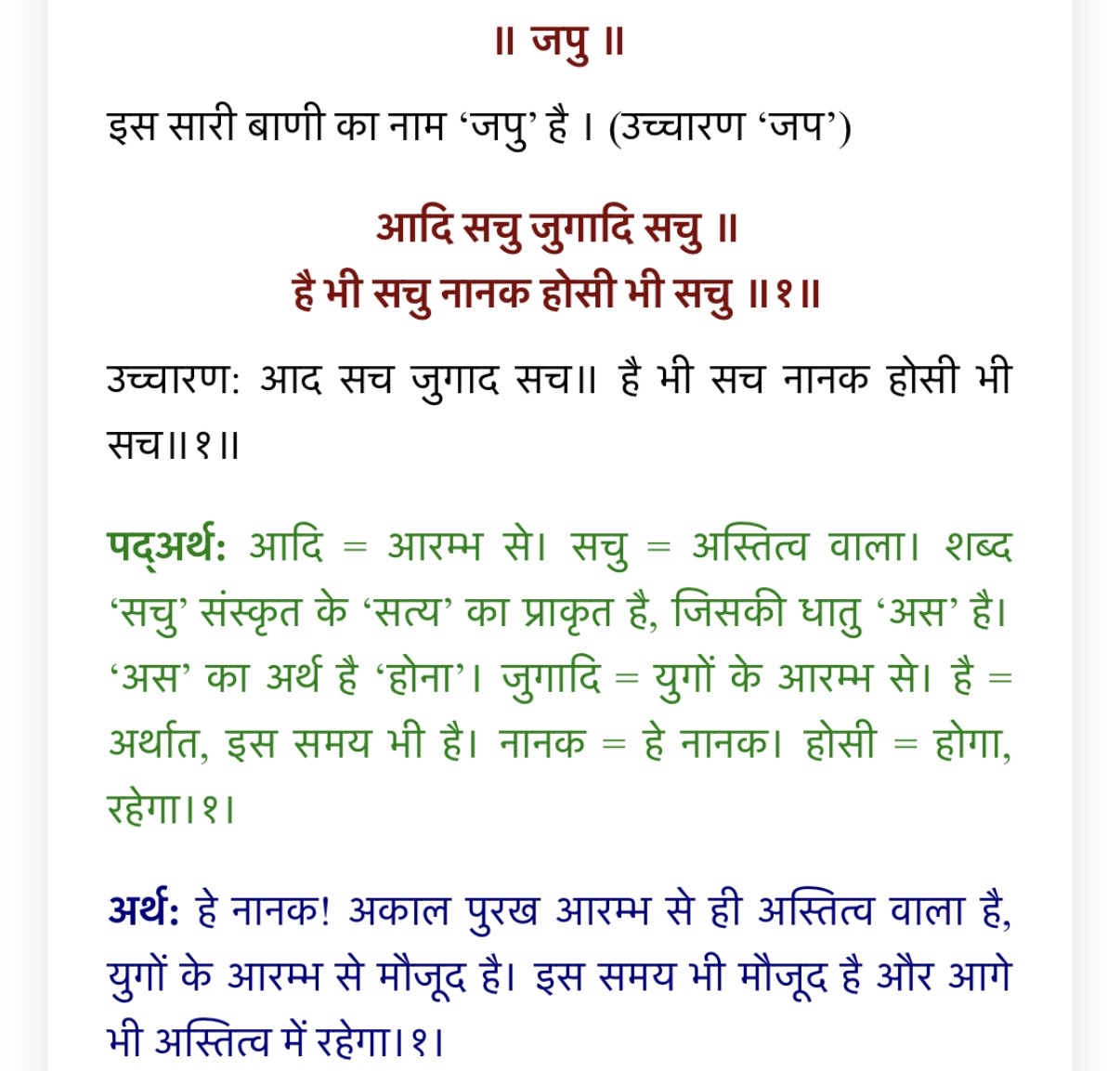 Here is Word ‘Hosi’ is a Multani word. To keep the meter of the poetic line, Guru Nanak Dev Ji used such a beautiful word.
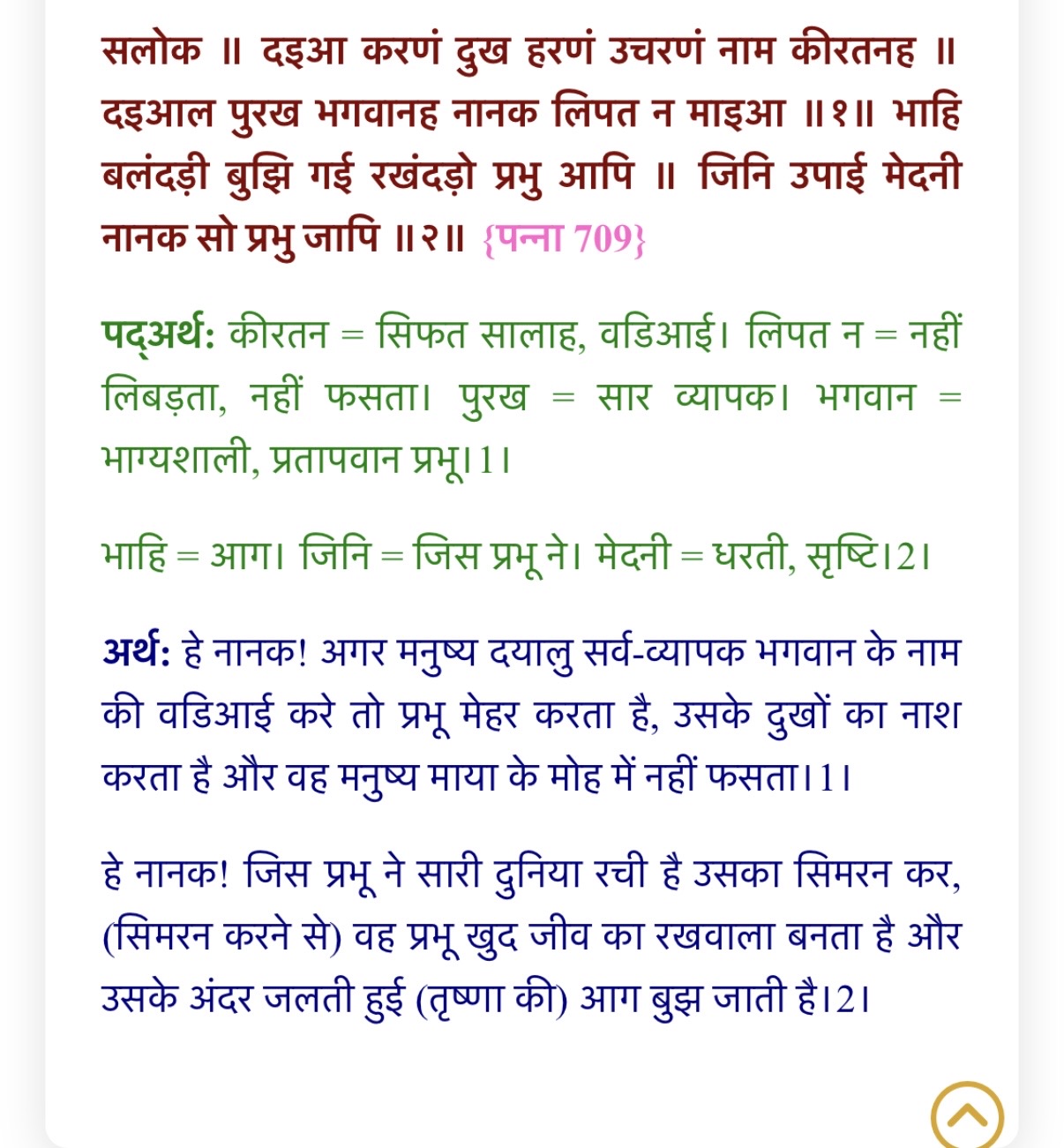
Guru Arjun Drv ji also used a Multani word Bha^i above on page 709. Which literally means Fire and fits in here.
Even our revered Sikh Gurus included the Multani dialect in their verses preserved in the Guru Granth Sahib. This clearly shows that Multani was a respected language and was widely understood and spoken among the literate and spiritual circles of society. There are many Multani words used in Sri Guru Granth Sahib but I have only inserted two above.
Looking back, these languages and dialects were never just ways of speaking. They carried humor, memories, and the cultural soul of the land we came from.


No comments:
Post a Comment