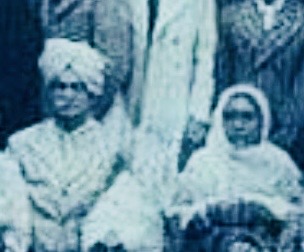
 Late Lala Kanwar Bhan and Late Kesari Bai
Born in Multan (1874)
Lala Kanwar Bhan was born in 1874 to Jawahar Lal in Multan, then part of British India. He grew up in an era where discipline, honor, and duty defined a man’s stature in society.
Soldier of Two World Wars
He joined the British Indian Army and served with distinction in both World War I and World War II, fighting in Europe and Asia. His courage and commitment earned him respect and recognition.
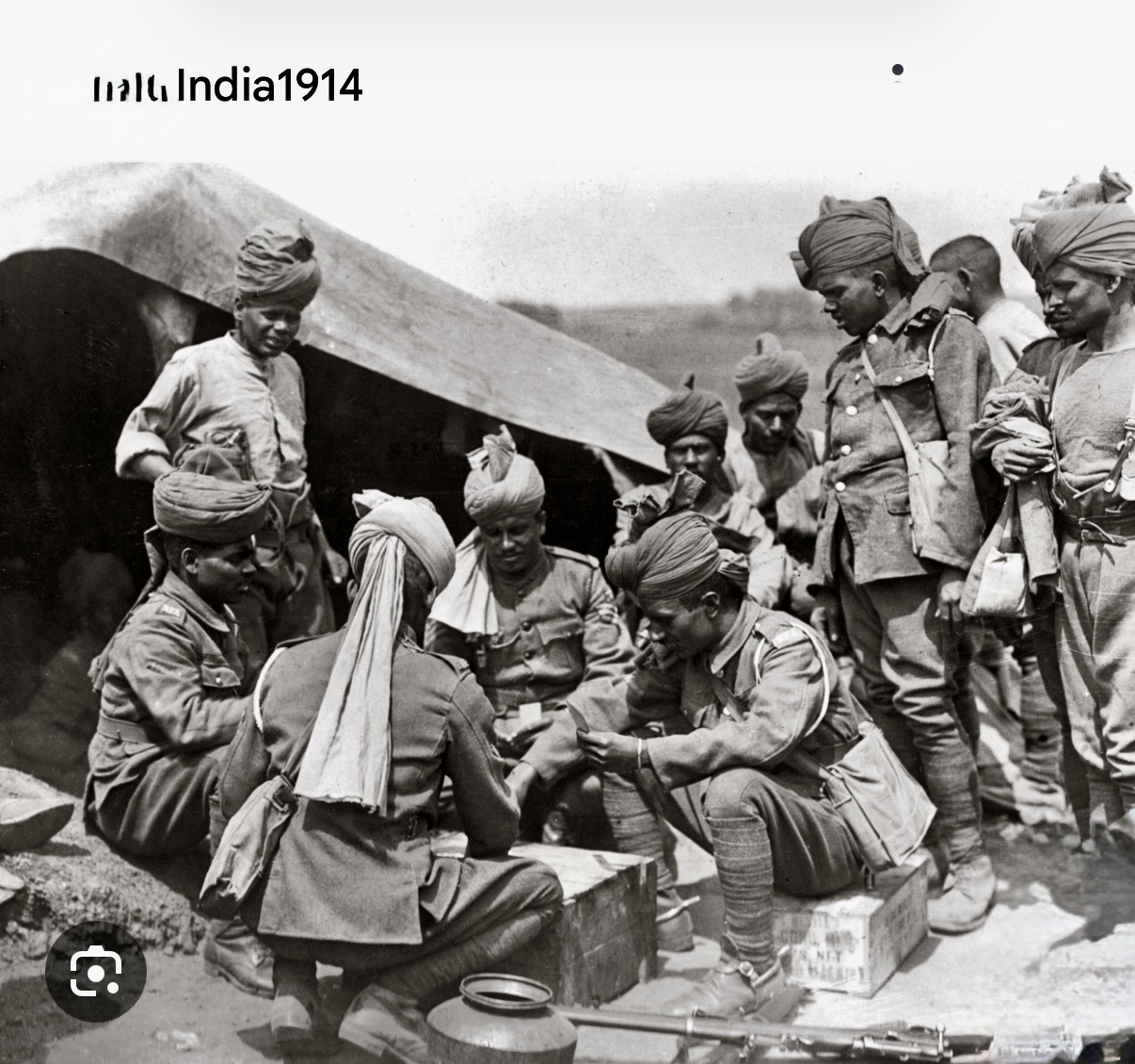 World War I
When he returned from service, he brought with him a full bag of gold coins, rewards for valor and dedication.
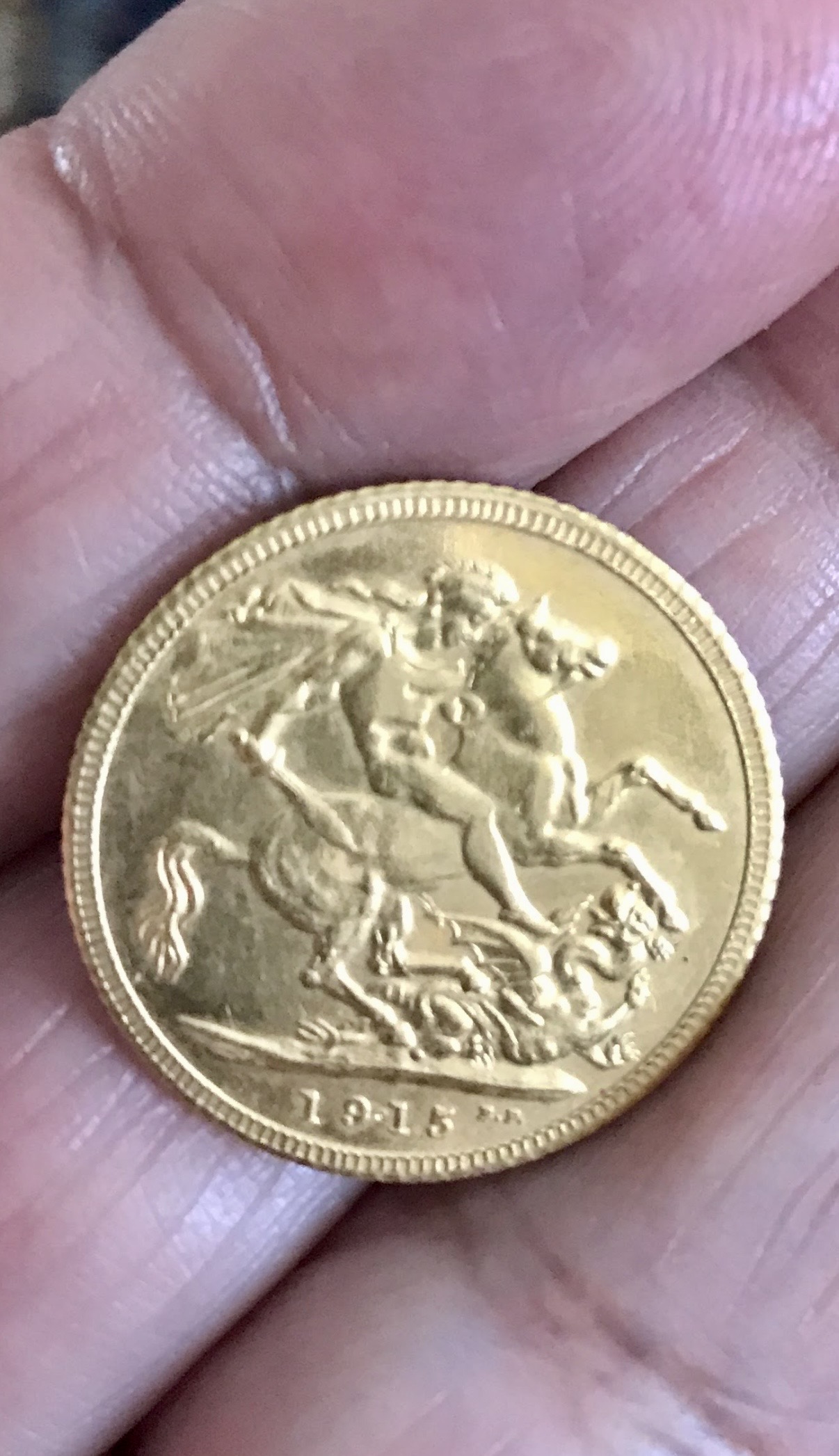 This coin is still in my possession.
Those coins remained in the family, and with fairness he distributed one to each daughter and the remainder to his sons. That gold symbolized sacrifice, honor, and history.
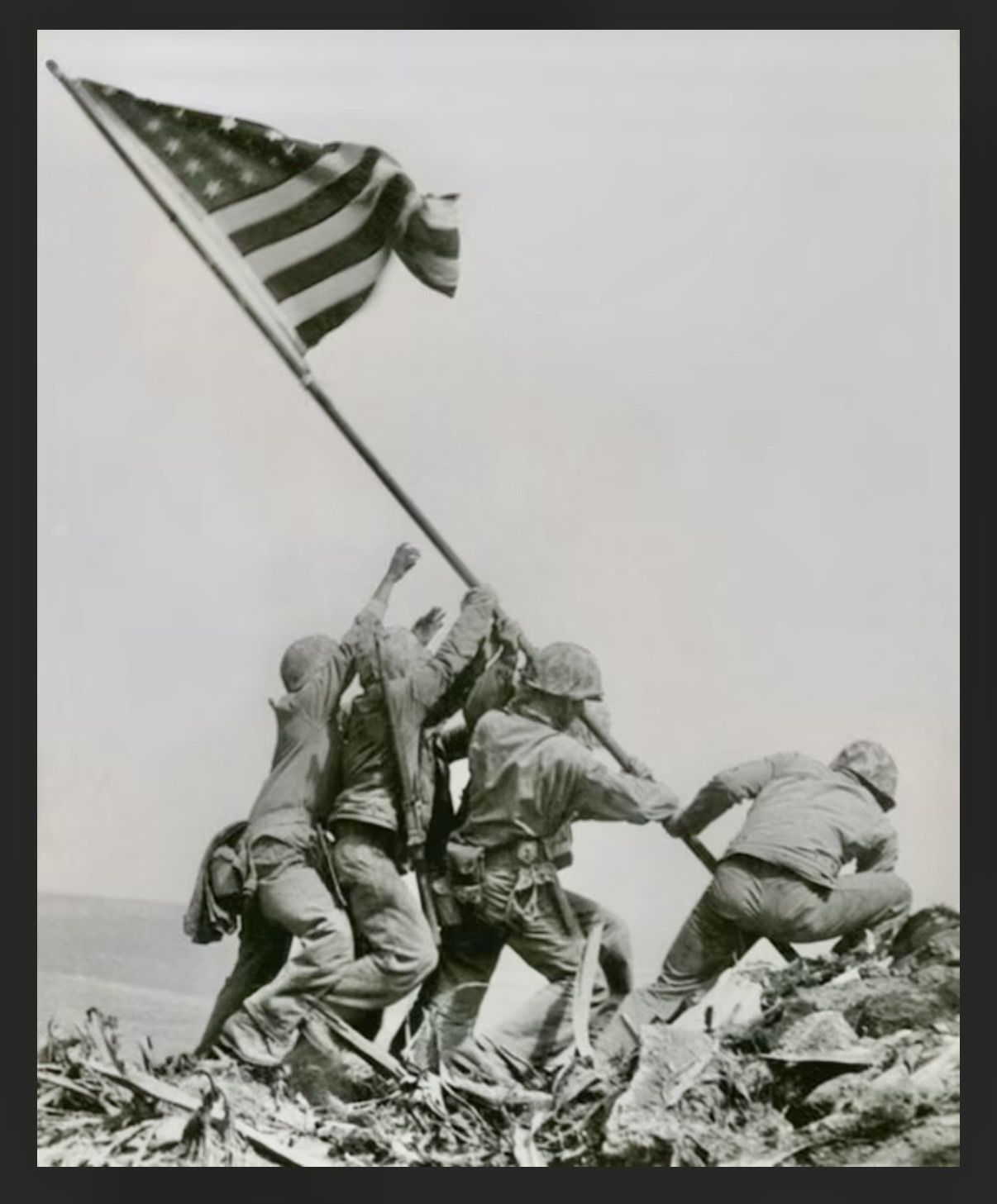 MWorld War II, when American soldiers raising their flag in Japan
A Pillar of the Community
Fluent in English at a time when few possessed such knowledge, he was highly respected in Mohalla Aghapura, Kaptana Street, Multan, where nearly 250 families of our community lived together. He helped many relatives secure positions in the army and uplifted numerous families through his influence and guidance.
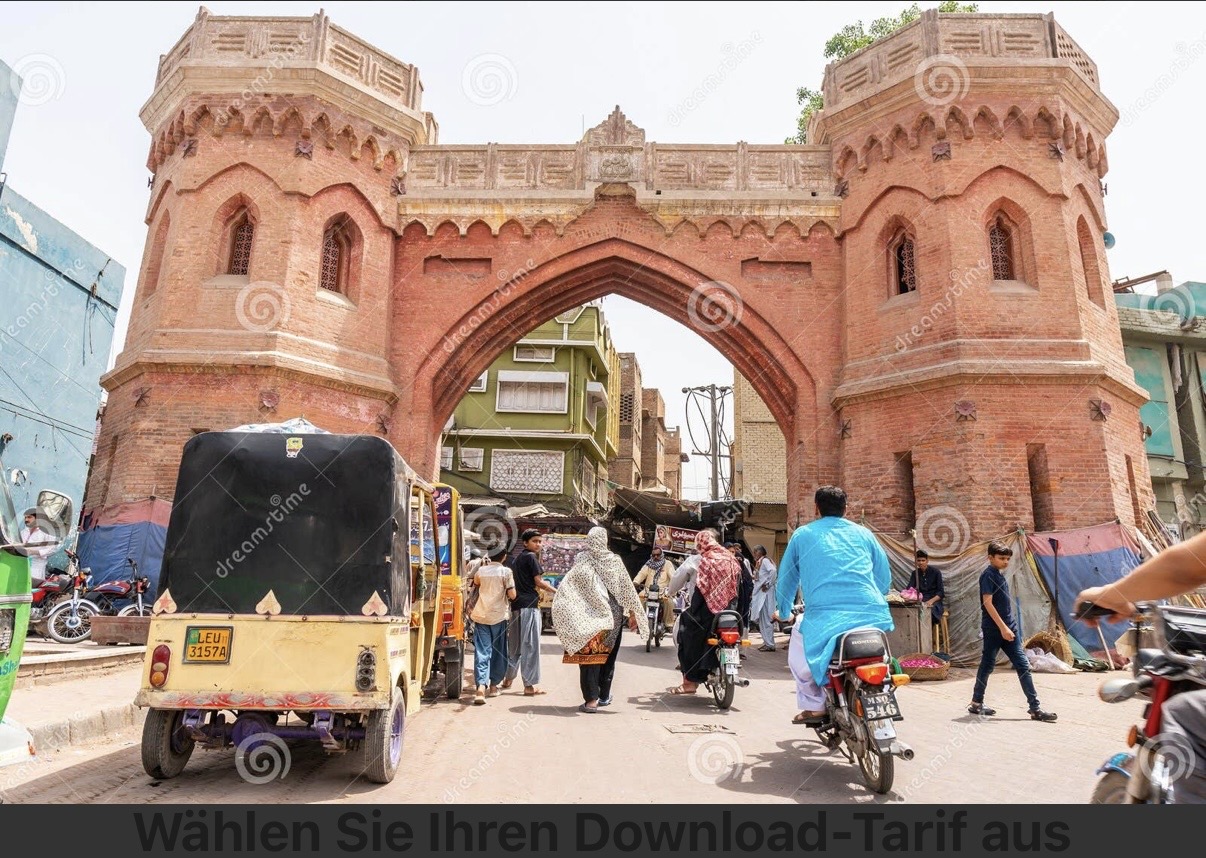
Beyond Delhi Gate, was our Mohalla Aghapura where we all lived.
The Devoted Gurbani Singer
Beyond the uniform, he was a man of deep devotion. He sang the Gurbani of Guru Nanak with sincerity and discipline. Every morning before dawn, he would go to the Gurdwara for Asa Di Vaar and return home around seven.
Music was not performance for him, it was prayer.
A Father’s Tender Heart
His youngest daughter, Savitri Devi, married at the young age of fifteen, was especially dear to him. Each morning, after returning from the Gurdwara, he would stop by her home to check on her well-being.
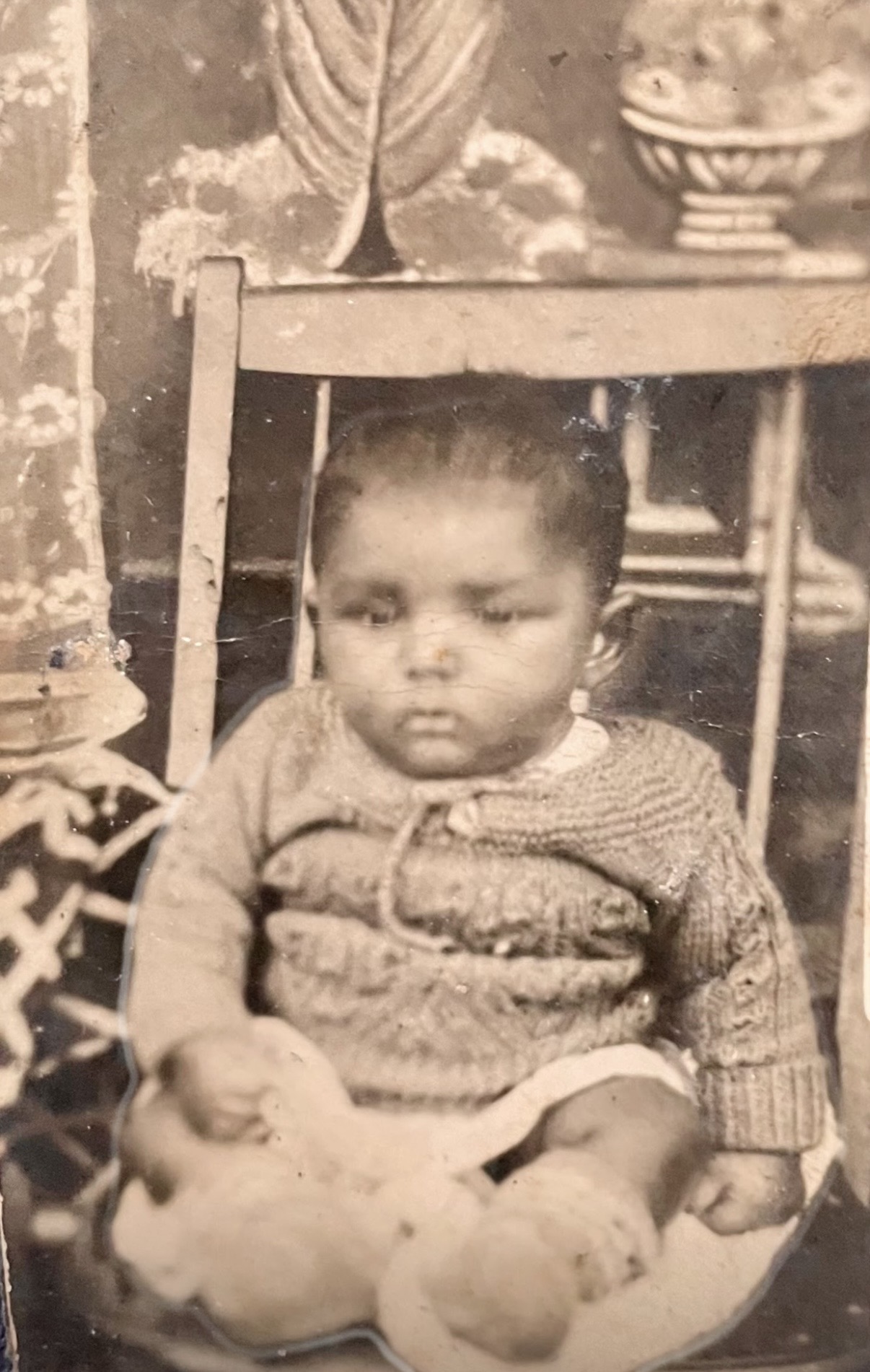
Me - 3 months old on the day of Diwali 17ovt ft TV 1944 in Multan
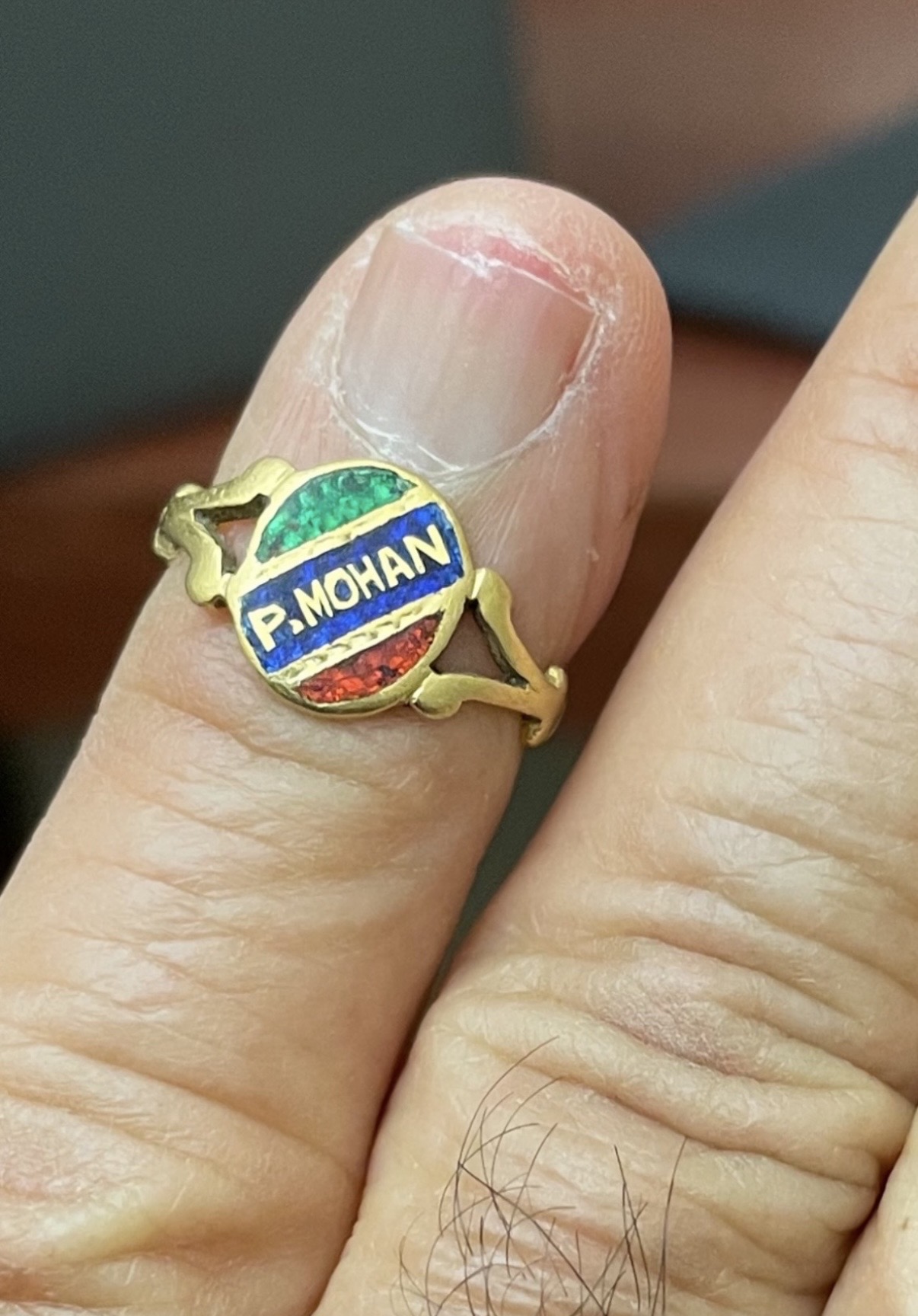
My Nana Ji gifted me this golden ring with my name engraved on it, and it fits me on my lady finger as above.
On the day I was born, he had just completed his morning prayers when he heard the joyous news of a healthy grandson. In those days, childbirth was a long and painful home process. Grateful that his beloved daughter was safe, he immediately returned to the Gurdwara to offer thanksgiving. Beneath his disciplined exterior lived a deeply affectionate heart.
Trials in Later Years
In his later life, he suffered from diabetes and complications after a cataract operation, gradually losing his eyesight. Yet he bore his suffering with dignity. In 1946, he passed away in Multan, leaving behind a legacy of honor and devotion.
The Musical Inheritance
His melodious voice and understanding of sur and taal passed naturally to his youngest daughter, my mother, Savitri Devi. She was known among her siblings for her perfectly tuned singing. Though the German harmonium he once cherished was left behind in Multan, my father later gifted her another in Panipat. I still remember her playing and filling our home with divine music.
The musical current did not remain limited to her alone. Many of my cousins, the children of my mother’s sisters and brothers, became professional radio singers. Music had clearly taken root across the extended family. My cousins Pushpa, Prema, Balwant, Saroj, Shanna, Guddo, Minna and music Prof Hagjit Singh naming a few were attached to All India Radio. My respected senior cousin Mahesh also did a stint with renowned Sudha Malhotra in Radio. All my family had professional careers in addition to art as a hobby. I am confident that their children, alongside their chosen careers, will continue to pursue and nurture this artistic heritage.
From Home to the World
With music flourishing across the extended family, from professional radio singers among my cousins to devotional singing at home, the foundation had already been laid strong and deep.
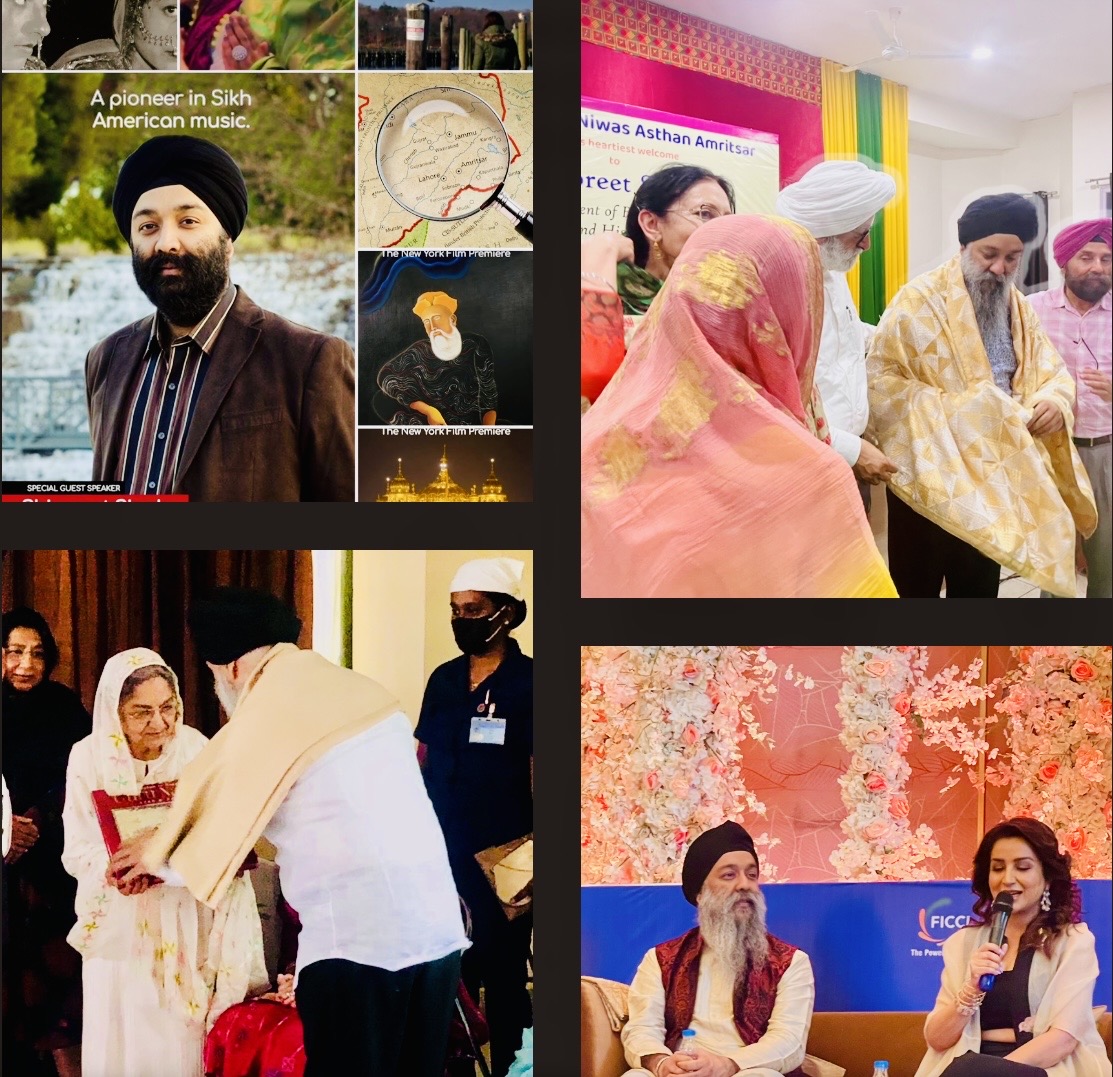
Among many awards, he felt proud as Mrs Gursharan Kaur w/o Late PM Dr Manmohan Singh was keen to listen to him and awarded him in Bhai Vir Singh Sahitya Sadan Delhi on Mar18, 2024
From that fertile soil emerged my son, Shivpreet, who today is internationally known as a spiritual singer. Deeply trained in Hindustani classical as well as Western classical traditions, he blends both worlds with remarkable sensitivity and depth. In his compositions and performances, one can sense both discipline and devotion, the very qualities that defined his great-grandfather.
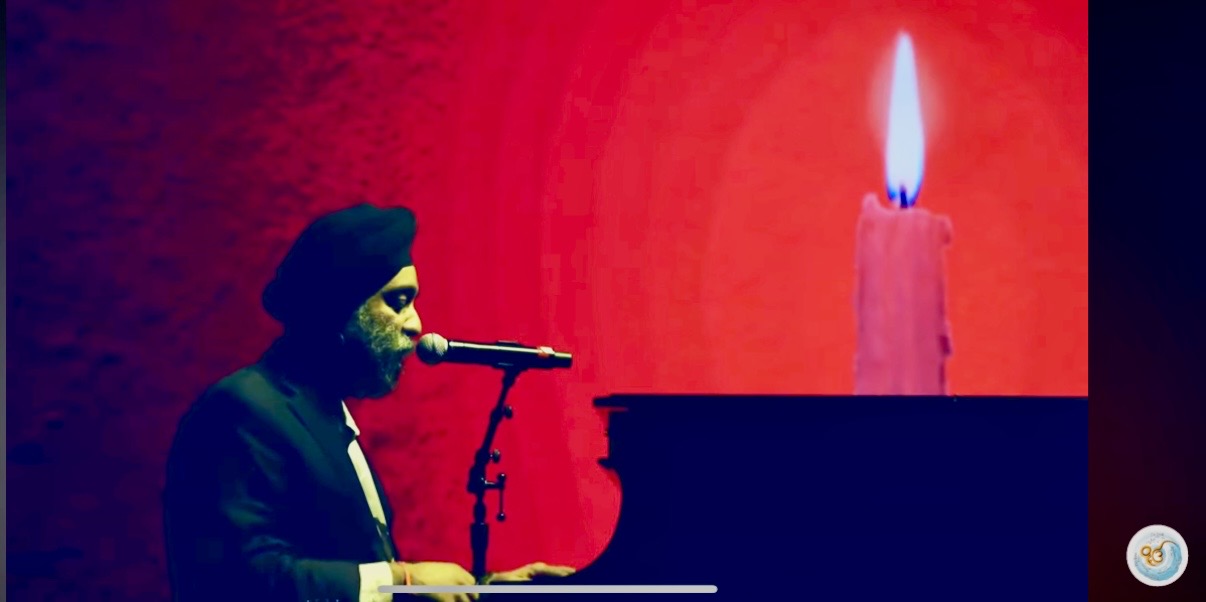
Performing on 550th Guru Nanak Dev Ji’s Parkash Purba in Prudential Hall, New Jersey Performance Art Center where the Governor also graced the occasion with Jam packed audience
While I sing only as an amateur, in Shivpreet I see the flowering of a legacy that began in the early morning kirtan of Multan. The voice that once resonated within a small Gurdwara now reaches audiences across continents.
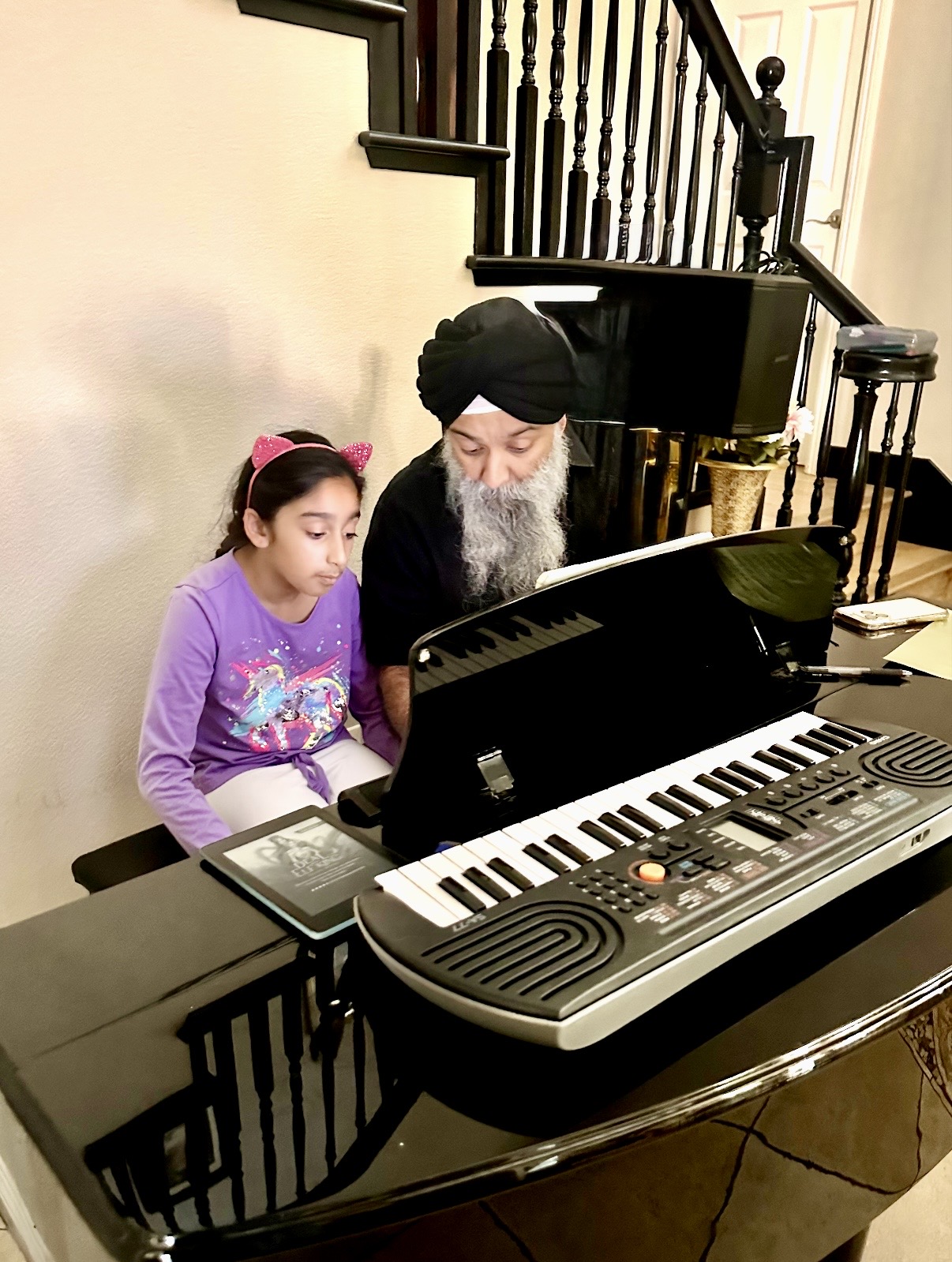
Passing on the Batton, Shivpreet and Geet
Among the newest generation, young Geet, Shivpreet’s youngest daughter, shows signs of promise. With dedication and perseverance, this sacred flame of music may continue to glow brighter in the years to come.
A Legacy Beyond Time
From the battlefields of two world wars to early morning kirtan in Multan, and from a family harmonium to global spiritual stages, our journey has been guided by courage, faith, discipline, and music.
His life was not only lived, it was passed on.
As


1 comment:
Thank you for writing this dear Chachaji. The names and places are familiar as I have heard of them from my father. He had told me that they lived in Kaptaana da mohalla in Multan.
While Geet carries the musical legacy forward in your branch of the Khanna's family, in ours, Gia and Tara carry it forth. They of course don't have an 'in house Guru' like Geet does.
Your article makes one feel good!
Post a Comment