Friday, February 11, 2011

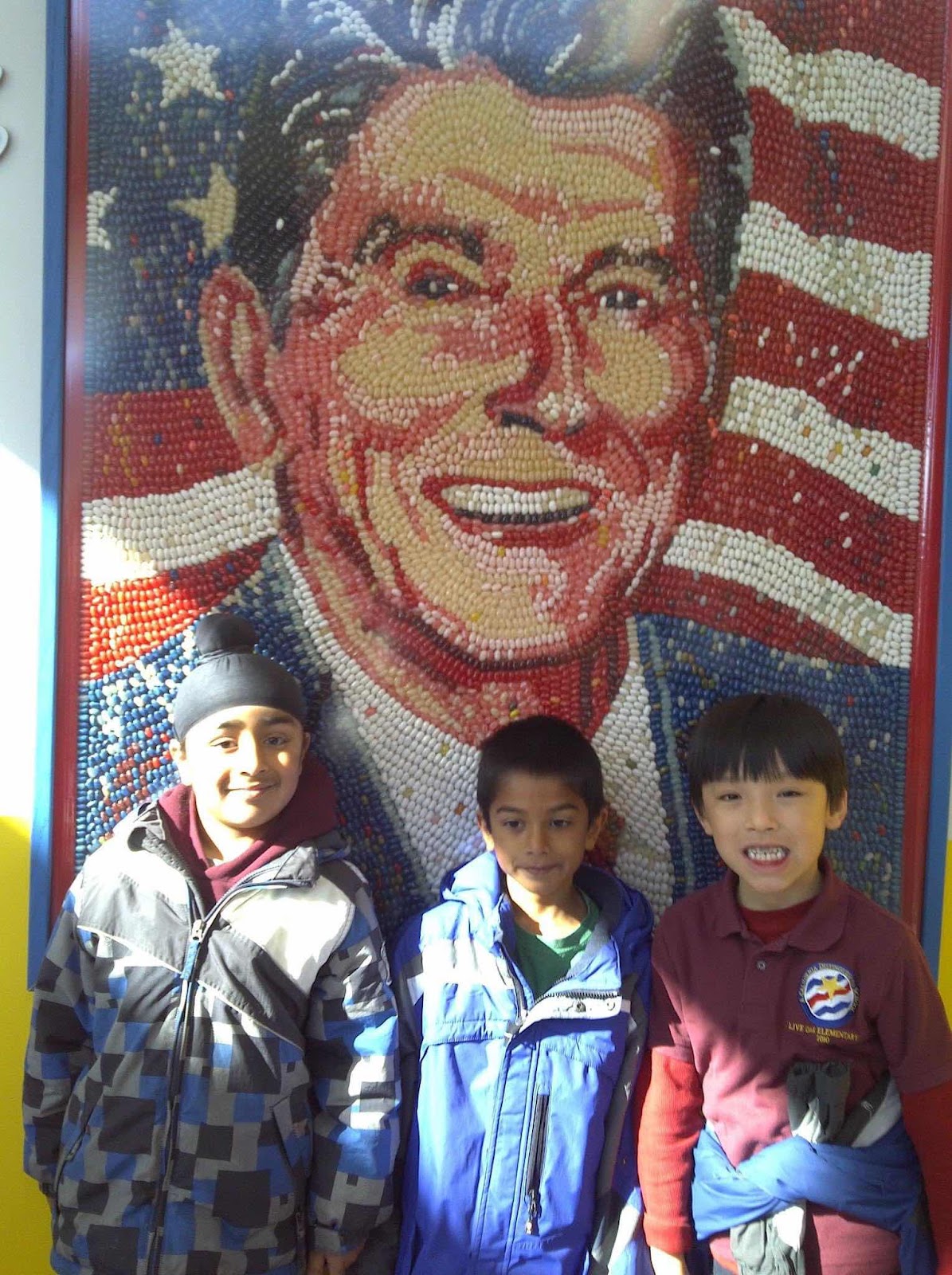
Field trip by Gobind in 2011

Gobind's arrival at the Jelly Belly Factory while ona School Field Trip


Friday, February 4, 2011

A Stellen Performance in 'Kings Speech' by Director Tom Hooper


Colin Firth as King George VI

Commemorative Obelisk at Coronation Park, Delhi, erected at the exact place where King George V and Queen Mary sat in 'Delhi Durbar' of 1911 while declaring the shifting of capital of British Raj from Calcutta to Delhi

The Vacant Canopy which hosted the statue of George V


"Kings Speech"


It begins with the fear of a prince and ends with the courage of a King, finding room in between for terrific joy and drama. The King is fittingly played by of United Kingdom George VI (Albert Frederick Arthur George; 14 December 1895 – 6 February 1952). The role undertaken by Michael Gambon as King-Emperor George Pancham (V) 3rd June1865 - 20th Jan 1936, reminds me of many stories my Mom will narrate to us kids, in particular about the 'Delhi Durbar' in 1911. Also known as the Imperial Durbar, it was held three times, in 1877, 1903, and 1911, at the height of the British Empire. The 1911 Durbar was the one attended by the sovereign George Pancham (V), the only chaired in person by the reigning King.

I happen to remember the statue of George Pancham(V) at the Canopy near India Gate, New Delhi. The statue has been removed and is eating the dust at Coronation Park New Delhi. The vacant place was to be filled up with the Statue of Mahatma Gandhi, but the Politicians have not been able to decide on that. It is unfortunate! Make something grand of your own but do not dismentle the creation already made.

"Prince George served for many years under the command of his uncle, Prince Alfred, Duke of Edinburgh, who was stationed in Malta. There, he grew close to and fell in love with his uncle's daughter, his first cousin, Marie of Edinburgh. His grandmother, father and uncle all approved the match, but the mothers, the Princess of Wales and the Duchess of Edinburgh, both opposed it. Marie's mother resented the fact that, as the wife of a younger son of the British sovereign. Guided by her mother, Marie refused George when he proposed to her, she had to yield precedence to George's mother. She married Ferdinand, the heir to the King of Romania.
His brother Albert Victor died of pneumonia, leaving George second in line to the throne, and likely to succeed after his father. Queen Victoria still regarded Princess May (engaged to Albert) as a suitable match for her grandson, and George and May grew close during their shared period of mourning. A year after Albert Victor's death, George duly proposed to May and was accepted. They married on 6 July 1893 at the Chapel Royal in St. James's Palace, London. Throughout their lives, they remained devoted to each other. George was, on his own admission, unable to express his feelings easily in speech, but they often exchanged loving letters and notes of endearment."
-Wikipedia.


Harvinder and me went to see this movie on a cold wintery wednesday evening in Dublin CA, the movie is warm and wisely presented. The film shows staggering emmotions by Helene Carter as Queen Elizabeth I and Michael Gambon as George Pancham(V) who creates a subtle look when playing his part - thrilling to see.

The Australian-born speech theropist Lionel Logue played by Geoffry Rush is a treat to watch when in the begining he calls the king by his nick name 'Bertie' while refusing calling him 'His Highness'. He was able to translate the actions of Lionel to incorporate and help overcome the King's stammer. The King delivers his speech as if to Logue, who coaches him through every moment. The many pauses necessitated to prevent his stammer sound convincingly dramatic, and the speech is a success. 

The little 'Lilibet', present Queen Elizabeth II is very impressive and resembles the character.

Movie goers will enjoy.


Sunday, January 23, 2011

Jania 5th Birthday


Jania

Jania, just after a few days after she turned Five, came to explain herself to me. She said, " I have a dream to keep the Earth clean, and would like to put all the trash away in the bags."

Was She just kidding or really serious, only the time will tell.

Wednesday, January 5, 2011

New Delhi - My City

New Delhi- My city

A typical lighting decorations on a wedding

After the Coronation Durbar, Edwin Lutyens (Sir Edwin from 1918) was authorized by Lord Hardinge to proceed with preparing plans for building New Delhi. By shifting the capital to Delhi in 1912, as announced by the King in 1911, the British attempted to erase the memory of Mughal rule. Also, this return to Delhi emulated the practice followed by earlier pre-Islamic and the Mughal rulers who had established their own cities in Delhi, a move meant to increase the British Imperial image.

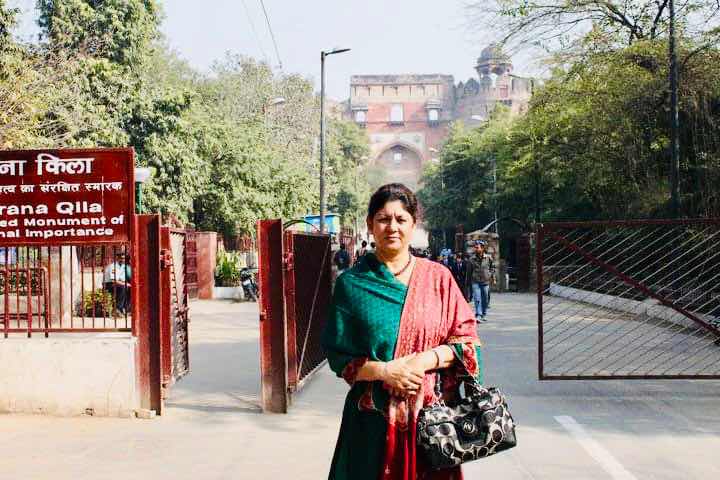
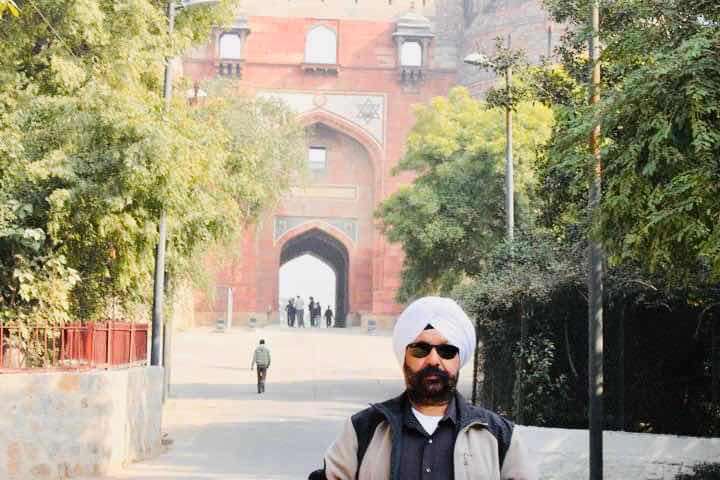
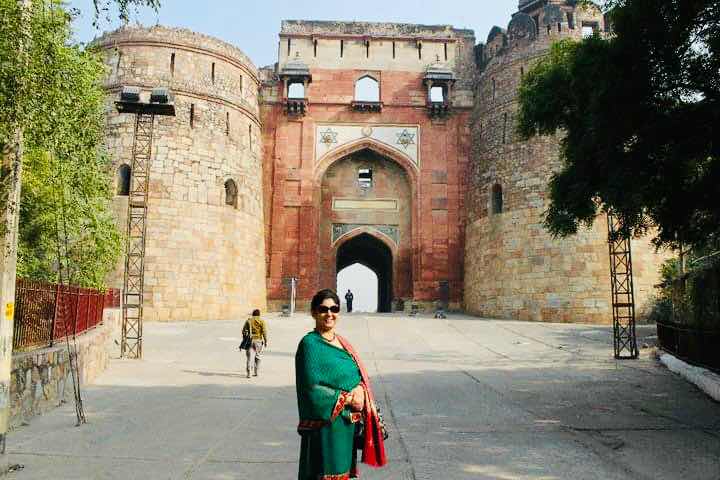
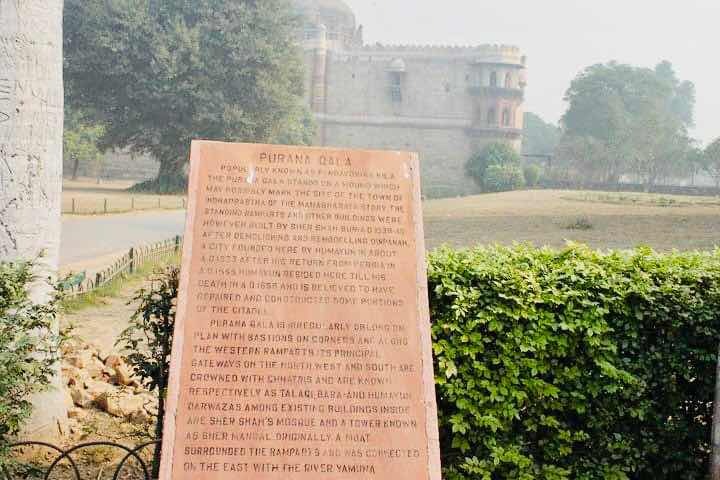
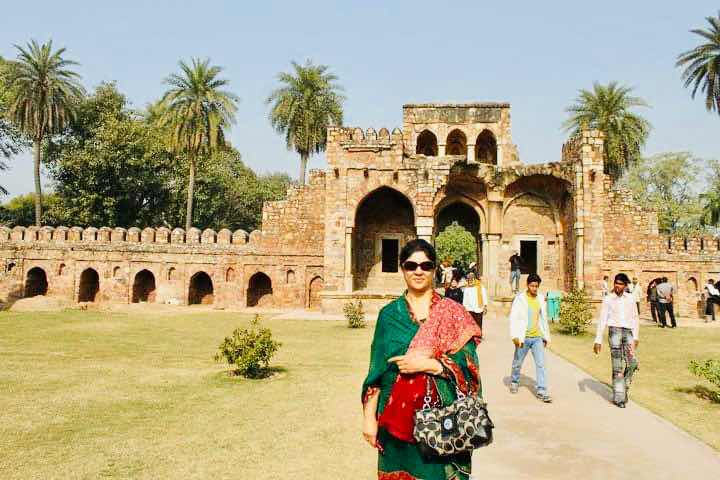
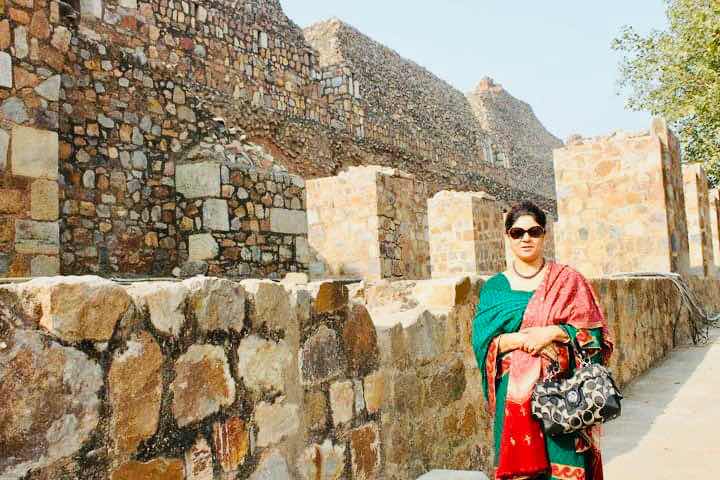
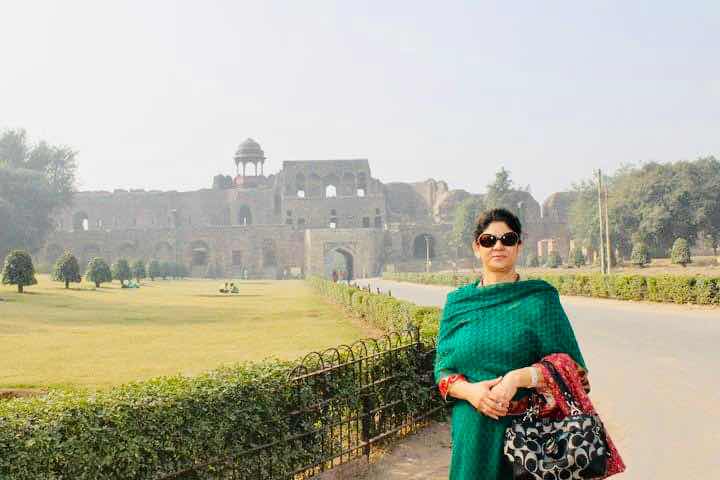
Bara Darwaja, Purana Quila  


Jawahar Lal Nehru Stadium


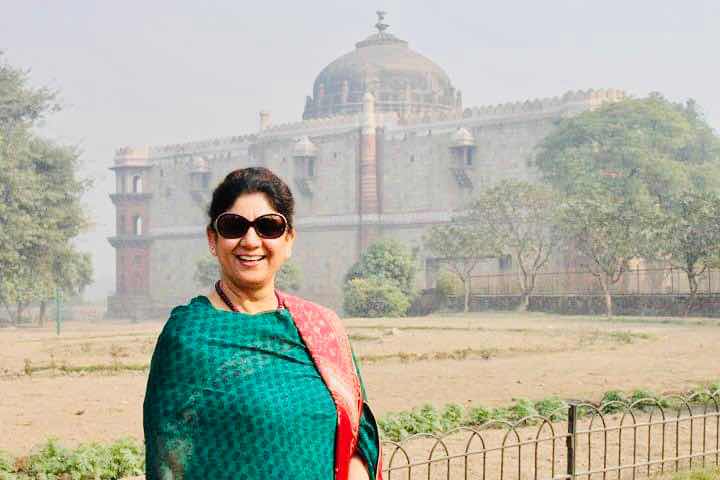
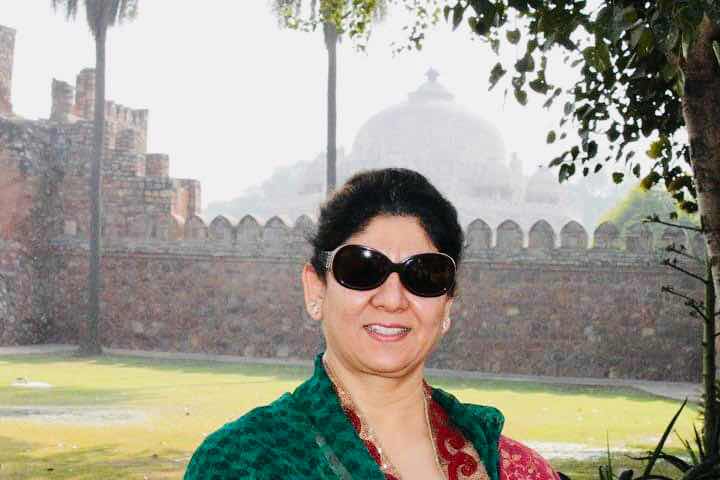
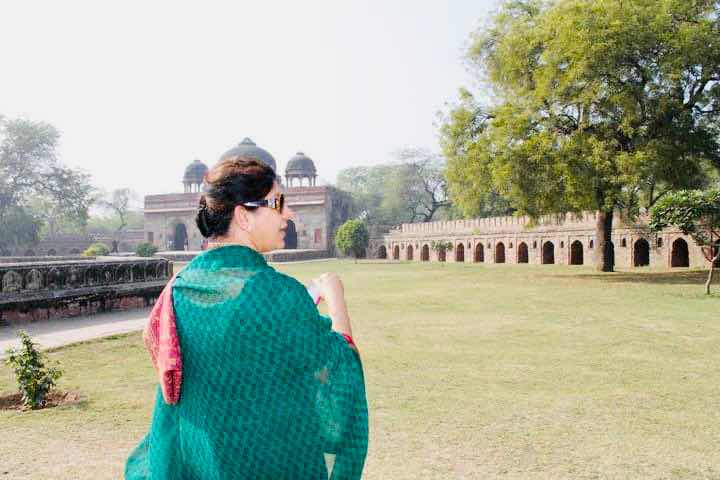
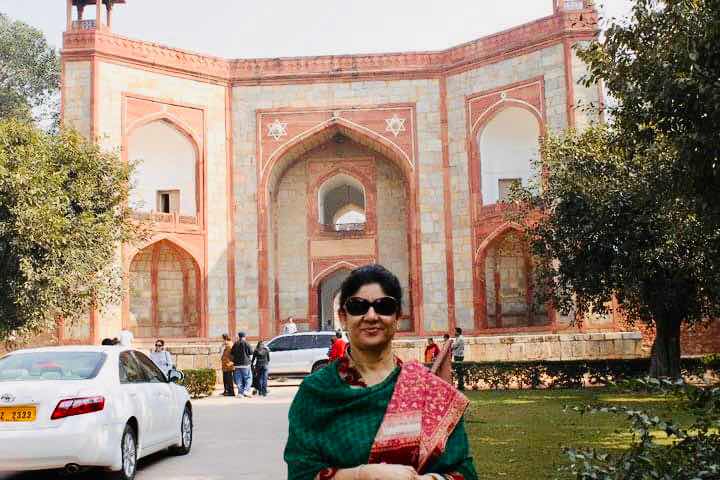
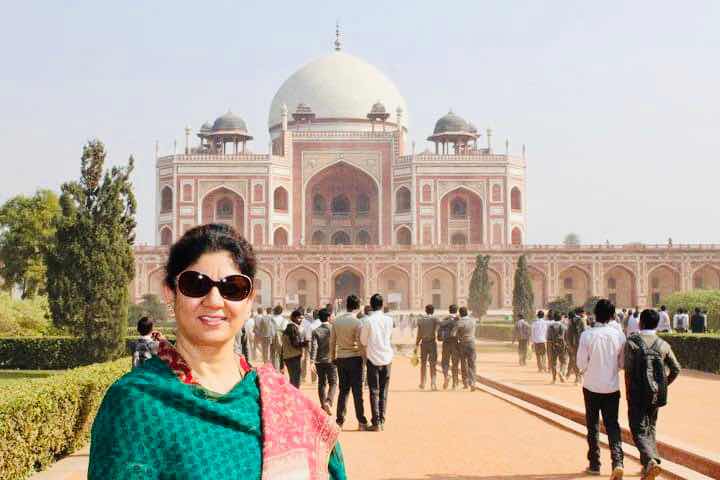
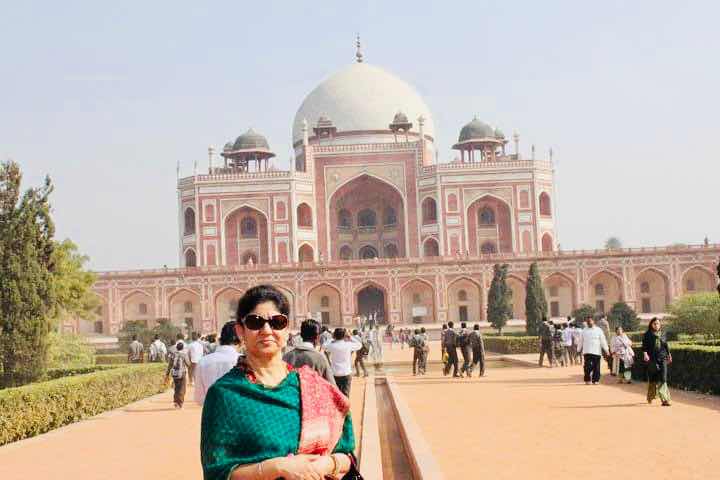
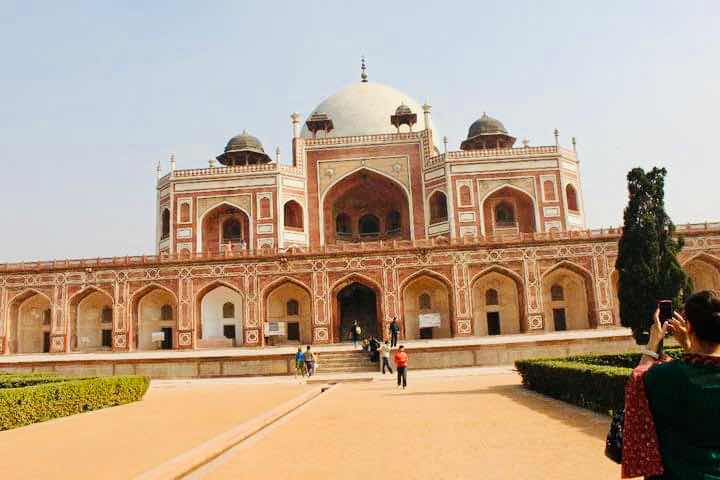
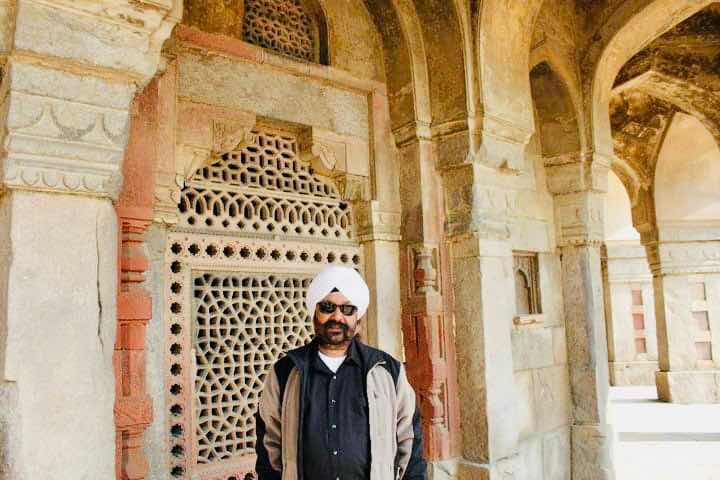
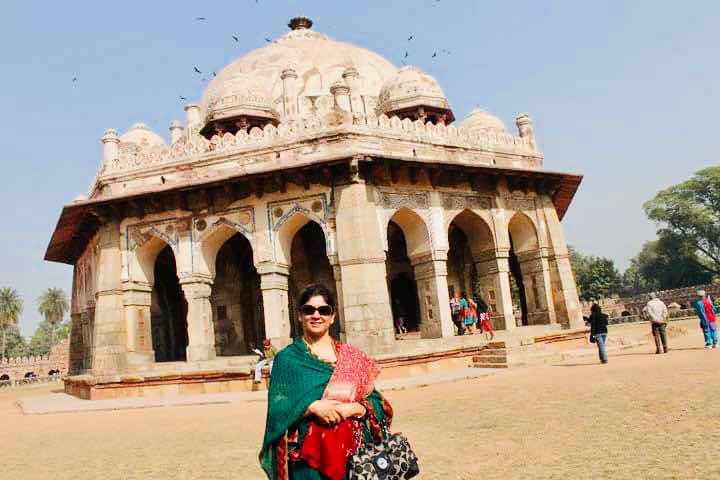
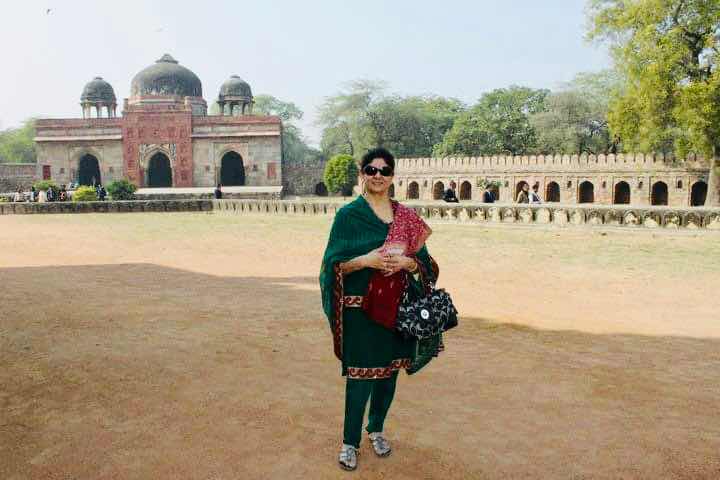
Hammayun Tumb 


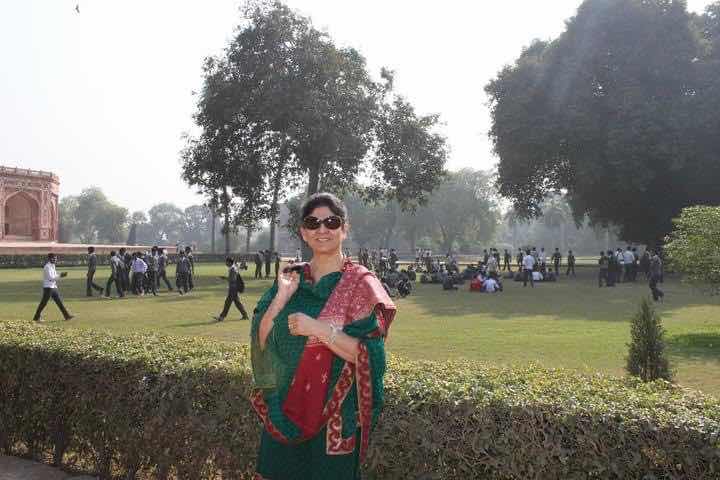
Visitors on a Sunny Winter day


The foundation stone of New Delhi was laid by King George V and Queen Mary at the site of Delhi Durbar of 1911 at Kingsway Camp on December 15, 1911, during their imperial visit. Large parts of New Delhi were planned by Edwin Lutyens (Sir Edwin from 1918) and Herbert Baker (Sir Herbert from 1926), both leading 20th century British architects, and the contract was given to Sobha Singh (later Sir Sobha Singh). However, the location was later not found suitable for building the Residency for the Viceroy since the area was in the flood prone zone of the Yamuna River. The stone was later shifted to Raisina Hill. Sobha Singh had the foundation stones removed during the night and then take them 11 km across the city and replant them on the new site. The construction of the plans were taken up after World War I (1916-18). The construction of Viceroy’s House (as it was officially called), the present Rashtrapati Bhavan, was started after World War I and completed in 1931, when the City of New Delhi was inaugurated.


Though soon Lutyens started considering other places, and finalized on a site atop the Raisina Hill, formerly Raisina village, a Meo village, for the Rashtrapati Bhawan, then known as the Viceroy's House. The historic reason for this choice was that the hill lay directly opposite to the Dinapanah citadel, which was also considered the site of Indraprastha, the ancient region of Delhi. Subsequently, the foundation stone was shifted from the site of Delhi Durbar of 1911-1912, where the Coronation Pillar stood as well, and embedded in the walls of the forecourt of the Secretariat. The Rajpath, also known as King's Way, stretched from the India Gate to the Rashtrapati Bhawan, was aligned with the ‘Bara Darwaja' of the Dinapanah the present day Purana Quila. The Secretariat building, which houses various ministries of the Government of India, flanked out of the Rashtrapati Bhawan, and the Parliament House, both designed by Herbert Baker, is located at the Sansad Marg, which runs parallel to the Rajpath.

Sobha Singh bought as much land in Delhi as he could. He bought several extensive sites at as little as Rs 2 per square yard, freehold. There were few other takers, and he came to be described as 'adhi dilli da malik' (the owner of half of Delhi). He constructed many residential and commercial buildings, including the Connaught Place market complex, as well as the Chelmsford, A.I.F.A.C.'s Hall, Broadcasting House (All India Radio), The National Museum, Dyal Singh College, T.B.Hospital, Modern School, Deaf and Dumb School, Red Cross Buildings and Baroda House. Outside Delhi, he built the High Court and Government Medical College at Nagpur and the Pasteur Institute at Kasauli.

Thus the New Delhi also came to be known as Lutyenes Delhi.


The above material is collected from wikipedia.