This is not merely a biography; it is a source of learning and inspiration for both the young and the old. A life such as this teaches us how creativity, sensitivity, simplicity and an understanding of human emotions can remain alive through changing generations.
I have reproduced this beautiful account particularly for my family members. Perhaps today, amidst their busy lives, they may only glance through it. But I hope that whenever they have sufficient time at their disposal, they will read it carefully and discover the many lessons hidden in the journey of this remarkable man.
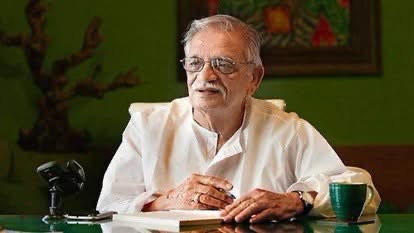
Gulzar Sahib is not simply a poet, lyricist, writer or filmmaker, he is a living legend of our times. Born as Sampooran Singh Kalra, he rose from the upheavals and experiences of an earlier India to become one of the most distinctive literary voices of the subcontinent. His words can express love, separation, childhood, loneliness and the ordinary experiences of life with extraordinary simplicity.
For people of my generation, Gulzar Sahib is also a companion of memories. We have grown older listening to his songs, poetry and stories, while younger generations continue to discover the freshness of his words. That ability to speak across generations is perhaps the hallmark of a true legend.
Very well written and presented by Rahul Mishra Ji. I am reproducing it with appreciation, hoping that my children, grandchildren and other family members will someday read it, not merely as the biography of Gulzar Sahib, but as a lesson in creativity, humility, perseverance and the art of remaining young in one’s thoughts throughout life.
पहली किताब उसने चुराई थी। उम्र, दस-बारह बरस।
नाम था-'द गार्डनर'। उर्दू तर्जुमे में। लिखने वाला-रवींद्रनाथ ठाकुर।
सत्तर साल बाद, उसी आदमी ने उसी किताब का तर्जुमा खुद किया।
और नाम रखा-बागबान।
अब शुरू से शुरू करते हैं-
एक कस्बा था-दीना। झेलम जिले में।
वो अब पाकिस्तान में है।
और वो आज भी एक आदमी के नाम के भीतर रहता है।
नाम था गुलजार दीनवी।
गुलजार यानी खिला हुआ बाग। दीनवी यानी दीना का।
दीना का खिला हुआ बाग।
फिर कहीं रास्ते में उन्होंने दीनवी छोड़ दिया।
कस्बा नाम से भी निकल गया।
वह 'खिला हुआ बाग' यानी 'गुलजार' रह गया।
कल, अठारह अगस्त को, वो बाग बयानवे बरस का हो गया।
कागज पर उनका नाम संपूर्ण सिंह कालरा है।
और नाम बदलना शौक नहीं था।
पिता मक्खन सिंह कालरा दीना के बाजार में एक छोटी हट्टी चलाते थे। उन्हें बेटे का शेर कहना पसंद नहीं आता था।
टोका। झिड़का। रोका।
पर बेटे ने लिखना नहीं छोड़ा। उसने अपना नाम छोड़ दिया।
जो लड़का अपने बाप के नाम से लिख नहीं सकता था, उसने अपने कस्बे के नाम से लिखना शुरू कर दिया।
अब उस घर के भीतर आइए।
मां का नाम था सुजान कौर। गुलजार ने उन्हें कभी नहीं देखा। वो तब चली गईं, जब बच्चा दूध पीता था।
रेख्ता पर उनका ब्योरा दर्ज है- सौतेली मां का बरताव अच्छा नहीं था। इसलिए बच्चा घर में कम रहता, और पिता की दुकान में ज्यादा।
एक बच्चा, जिसके पास अपनी मां का चेहरा तक नहीं था।
और जो अपने ही घर में मेहमान की तरह रहता था।
वही आदमी उम्र भर दूसरों के चेहरे लफ्जों में बनाता रहा।
एक याद है, जो वो कई बार सुना चुके हैं।
पिता दुकान का सौदा लाने दिल्ली जाते थे। पहाड़गंज।
बच्चा साथ जाना चाहता था। घरवाले उसे पकड़कर रोक लेते।
और उसे बस इतना दिखता पिता डिब्बे में खड़े हैं।
और गाड़ी सरक रही है।
उसके बाद, जब भी कहीं ट्रेन की सीटी सुनाई देती, वो बच्चा स्टेशन की तरफ भाग जाता था।
कुछ करने नहीं।
बस खड़े रहने।
फिर 1947 आया।
घर छूटा। परिवार बंटा। और वो दिल्ली पहुंचे।
एस्क्वायर इंडिया को दी गई एक बातचीत में उन्होंने बचपन की जो याद बताई है, वो आज भी पढ़ी नहीं जाती।
स्कूल में जो लड़का रोज सुबह की प्रार्थना कराता था, उसे एक भीड़ दिल्ली की सड़क पर घसीटकर ले गई।
आंखों से ओझल।
और भीड़ का सरदार लौटा, तो उसकी तलवार पर खून था।
गुलजार ने कहा मैं इतना डरा हुआ था कि रो भी नहीं सका।
दशकों तक वो उसी पागलपन के सपनों से जागते रहे।
पर उन्हीं दिनों उनके पिता ने एक बात कही थी, जिसे वो उम्र भर साथ लेकर चले।
चारों तरफ लोग मुसलमानों को कोस रहे थे। पिता ने नहीं कोसा।
उन्होंने बस इतना कहा बुरा वक्त आया है। प्रलय आ गई है। लंघ जाएगी।
गुलजार का कहना है कि उन्हीं शब्दों ने उनका जेहन साफ रखा।
जिस आदमी का सब कुछ लुट चुका था, वो अपने बच्चों को नफरत से बचा रहा था।
और बरसों बाद, उसी लड़के ने एक कहानी लिखी।
नाम रावी पार।
दंगों में दर्शन सिंह का परिवार एक गुरुद्वारे में पनाह लेता है। वहीं उसकी पत्नी जुड़वां बेटों को जन्म देती है।
अमृतसर जाती एक मालगाड़ी पर वो परिवार लदा है। रास्ते में एक बच्चा दम तोड़ देता है।
मां दोनों को सीने से चिपकाए बैठी रहती है। मरे हुए को भी।
गाड़ी रावी के पुल पर आती है। कोई सहयात्री कहता है मरे हुए को नदी में बहा दो।
और अंधेरे में, जल्दबाजी में, बाप जिंदा बच्चे को फेंक देता है।
उस आदमी ने बंटवारे पर भाषण नहीं लिखा।
उसने एक बाप के हाथ लिखे
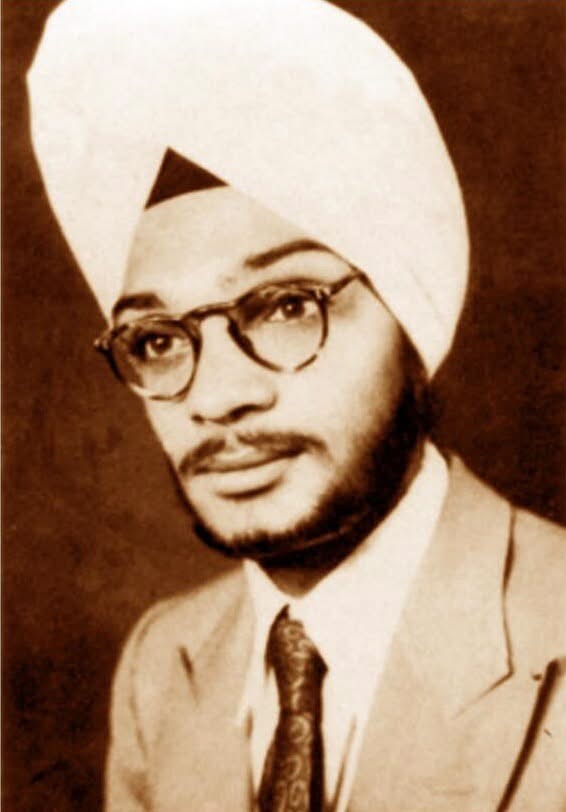
अब बंबई।
पढ़ाई छूटी। कमाना पड़ा।
और वो बेलासिस रोड के एक गैरेज में लग गए। मुंबई सेंट्रल टर्मिनस के ठीक बगल में।
जो लड़का कभी एक स्टेशन पर खड़ा रहता था, उसकी पहली नौकरी एक स्टेशन के पहलू में मिली।
काम क्या था?
एक्सीडेंट में टूटी गाड़ियों पर रंग चढ़ाना। शेड मिलाना, ताकि जोड़ न दिखे।
उनके अपने शब्द हैं मुझे रंगों की समझ थी।
यहां जरा ठहरिए।
जो आदमी टूटी हुई चीजों पर रंग मिलाकर उनकी दरार छुपाता था, वही आगे चलकर इस मुल्क का वो लेखक बना, जो लफ्जों से टूटे हुए इंसान की दरार दिखाता है।
पूरी उम्र उसने अपना पहला काम उल्टा करके किया।
गैरेज में फुर्सत मिलती थी। पेंट सूखने का इंतजार भी एक फुर्सत है।
उसी फुर्सत में वो पढ़ते, लिखते, कॉलेज जाते, और इतवार को प्रोग्रेसिव राइटर्स एसोसिएशन की बैठक में जा बैठते।
अब आते हैं वहां जहां से यह पोस्ट शुरू हुई थी
पहली किताब उसने चुराई थी। उम्र, दस-बारह बरस।
नाम था-'द गार्डनर'। उर्दू तर्जुमे में। लिखने वाला-रवींद्रनाथ ठाकुर। या शायद किसी ने उन्हें यह किताब पढ़ने को दी थी और उन्होंने अपने पास रख ली। रवींद्रनाथ ठाकुर की। उर्दू तर्जुमे में।
ठाकुर ने वो कविताएं मूल रूप से बांग्ला में लिखी थीं। फिर खुद अंग्रेजी में उतारकर 1913 में छपवाया 'द गार्डनर'। यानी उस लड़के के हाथ तक जो लफ्ज पहुंचे, वो रास्ते में दो जबानें पार कर चुके थे।
फिर भी पहुंच गए।
गुलजार कहते हैं कि उसी किताब को पढ़कर उन्होंने तय किया वो लिखेंगे।
और उन्होंने सिर्फ इतना नहीं किया।
उन्होंने ठाकुर को उनकी अपनी जबान में पढ़ने के लिए बांग्ला सीख ली।
एक पंजाबी लड़का, बंबई के एक गैरेज में, तीसरी भाषा सीख रहा था।
सिर्फ इसलिए कि तर्जुमे से उसका मन नहीं भरा।
उसे तब मालूम नहीं था कि वही बांग्ला उसकी पूरी जिंदगी के ताले खोलेगी।
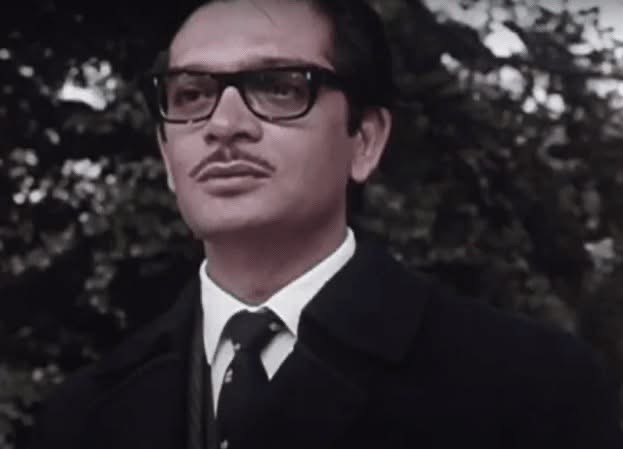
पहला ताला।
एसोसिएशन की बैठकों में दोस्ती हुई शैलेंद्र से। और शैलेंद्र उन्हें बिमल रॉय तक ले गए।
बिमलदा ने पहला सवाल हिंदी में नहीं पूछा।
बांग्ला में पूछा, अपने सहायक से क्या यह लड़का वैष्णव पदावली समझकर लिख सकेगा?
सहायक ने कहा बिमलदा, गुलजार बांग्ला समझता है। बोलता भी है।
बिमलदा शर्मिंदा हो गए। पूछा बांग्ला कहां से सीखी?
लड़के ने कहा दोस्तों से। फिर खुद पढ़कर।
पूछा गया काबुलीवाला पढ़ी है?
जवाब हां। पहले उर्दू में। फिर अंग्रेजी में। फिर बांग्ला में।
फिल्म थी बंदिनी, 1963। बिमल रॉय की आखिरी फिल्म।
गाना उन्होंने पांच दिन में लिखा।
और सबसे अजीब बात यह है कि उन्होंने पहले मना कर दिया था। उन्हें गीतकार बनना ही नहीं था।
बिमल रॉय ने कहा तुम गैरेज में अपना वक्त बरबाद कर रहे हो।
और उन्हें अपना सहायक बना लिया।
पर उसी नौकरी की वजह से एक चीज हुई, जिसका जख्म उन्होंने कभी नहीं दिखाया।
दिल्ली में उनके पिता चल बसे।
घरवालों ने उन्हें खबर नहीं दी।
उनके अपने बड़े भाई बंबई में ही थे। उन्हें मालूम था। वो उसी दिन उड़ान भरकर दिल्ली चले गए।
छोटे भाई से एक शब्द नहीं कहा।
कुछ दिन बाद, दिल्ली के एक पड़ोसी ने खबर पहुंचाई।
वो उसी वक्त ट्रेन पकड़कर निकले। उन दिनों दिल्ली की सबसे तेज गाड़ी फ्रंटियर मेल थी।
वो भी चौबीस घंटे लेती थी।
चौबीस घंटे।
'हाउसफुल' नाम की किताब में उनका बयान दर्ज है जब तक मैं घर पहुंचा, सब कुछ खत्म हो चुका था।
जो बच्चा कभी स्टेशन पर खड़ा होकर अपने बाप की ट्रेन का इंतजार करता था, उसे उसी बाप तक पहुंचाने में एक ट्रेन ने चौबीस घंटे ले लिए।
और वो देर से पहुंचा।
जिस आदमी ने उसका लिखना रोका था, उसे कंधा देना भी उसके नसीब में नहीं आया।
फिर, पांच बरस बाद, वो हिसाब कहीं और चुकता हुआ।
बिमल रॉय को कैंसर हो गया।
गुलजार हर रात उनके सिरहाने बैठते थे।
और उन्हें वो पटकथा पढ़कर सुनाते थे, जो बिमलदा की सबसे प्यारी थी और जो कभी बन नहीं पाई। नाम अमृत कुंभ।
एक मरता हुआ आदमी।
और उसके सिरहाने बैठा एक नौजवान, जो उसे रोज वो कहानी सुनाता था, जो वो कभी परदे पर नहीं ला सका।
उनके शब्द हैं हर रात मैं रोता था, जैसे-जैसे कैंसर बिमलदा को थोड़ा-थोड़ा करके निगल रहा था।
7 जनवरी 1966। बिमल रॉय चले गए। छप्पन बरस के थे।
अगले दिन अंतिम संस्कार गुलजार ने किया।
और फिर उन्होंने जो एक वाक्य कहा, वो इस पूरी जिंदगी की चाबी है
उस दिन हमने बिमलदा का दाह-संस्कार किया।
और उनके साथ मैंने अपने पिता का भी कर दिया।
पांच बरस से अधूरा पड़ा एक काम, एक दूसरे आदमी की चिता पर पूरा हुआ।
और एक बाप उन्हें सरहद के उस पार से भी मिला।
रेख्ता के मुताबिक उनकी शुरुआती रचनाएं पाकिस्तान की पत्रिकाओं में छपीं। 'फुनून' के संपादक अहमद नदीम कासमी ने उस नए शायर को संवारा, राह दिखाई।
गुलजार उन्हें बाबा कहते थे।
जिस सरहद ने उनसे घर छीना, उसी सरहद के उस पार से उन्हें एक बाप मिल गया।
अब वो हिस्सा, जो सबसे कम कहा जाता है।
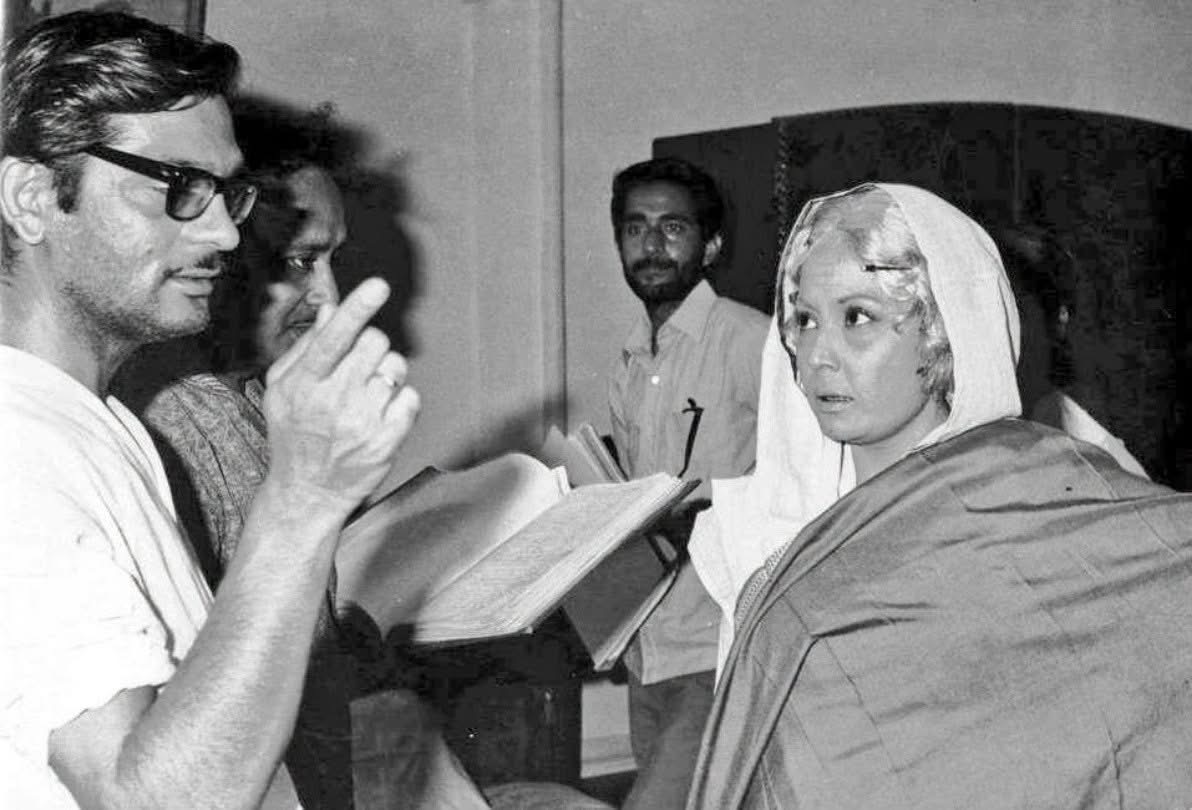
बिमल रॉय की एक फिल्म थी बेनजीर। उसी के सेट पर एक अभिनेत्री से उनका परिचय हुआ।
नाम मीना कुमारी।
देश उन्हें ट्रैजेडी क्वीन कहता था। पर उस औरत के भीतर एक शायरा बैठी थी, जिसे किसी ने कभी बाहर आने का रास्ता नहीं दिया।
गुलजार से मिलने के बाद उन्होंने लिखना शुरू किया। तखल्लुस रखा नाज।
1971 में उन्होंने अपनी ही नज्में अपनी आवाज में रिकॉर्ड कीं।
उसी बरस गुलजार ने अपनी पहली फिल्म बनाई मेरे अपने।
मीना कुमारी की तबीयत उन दिनों टूट चुकी थी। फिर भी उन्होंने वो फिल्म की। और पूरी की।
31 मार्च 1972। वो चली गईं। अड़तीस बरस की उम्र में।
और जाने से पहले उन्होंने अपनी सबसे कीमती चीज गुलजार को सौंप दी।
अपनी नज्में। अपनी डायरियां।
गुलजार ने उन्हें छापा। किताब का नाम रखा तनहा चांद।
उस किताब की भूमिका में उन्होंने अपने बारे में सिर्फ एक बात लिखी।
कि वो इनके मालिक नहीं, सिर्फ अमानतदार हैं।
और फिर वो लिखा, जो इस पूरी कहानी का आखिरी पत्ता है
कि शायर का हक अपनी नज्म पर सिर्फ तब तक है, जब तक उसने उसे कहा न हो।
कह देने के बाद नज्म पढ़ने वाले की हो जाती है।
जिस लड़के ने अपनी पहली किताब चुराई थी, उसने बड़ा होकर लिख दिया कि किताबें किसी की होती ही नहीं।
अब सांस लीजिए। आगे रोशनी है।
ठाकुर के लिए सीखी हुई वो बांग्ला दूसरा ताला भी खोल गई।
शारजाह के एक साहित्य मंच पर गुलजार ने खुद हंसते हुए बताया था बाद में वही जबान एक बंगाली लड़की को प्रेमपत्र लिखने के काम आई।
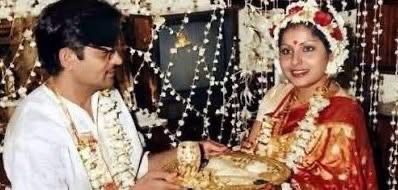
उस लड़की का नाम राखी था।
शादी 1973 में हुई। उसी दिसंबर में बेटी हुई। मेघना। घर में बोस्की।
और अगले ही बरस दोनों अलग हो गए।
तलाक कभी नहीं हुआ। बावन बरस हो गए।
गुलजार ने राखी को अपनी जिंदगी की सबसे लंबी छोटी कहानी कहा है।
पर जो घर टूटा, उसमें एक चीज नहीं टूटी।
मेघना ने अपने पिता पर जो किताब लिखी है 'बिकॉज ही इज' उसमें जो दर्ज है, वो किसी फिल्म से ज्यादा नरम है।
वो हर सुबह बेटी को स्कूल के लिए तैयार करते थे। फीते बांधते। बाल गूंथते, क्योंकि आया के गूंथे बाल बेटी को पसंद नहीं आते थे।
और दिन का काम शाम चार बजे बंद कर देते थे।
वजह?
बेटी का स्कूल चार बजे छूटता था।
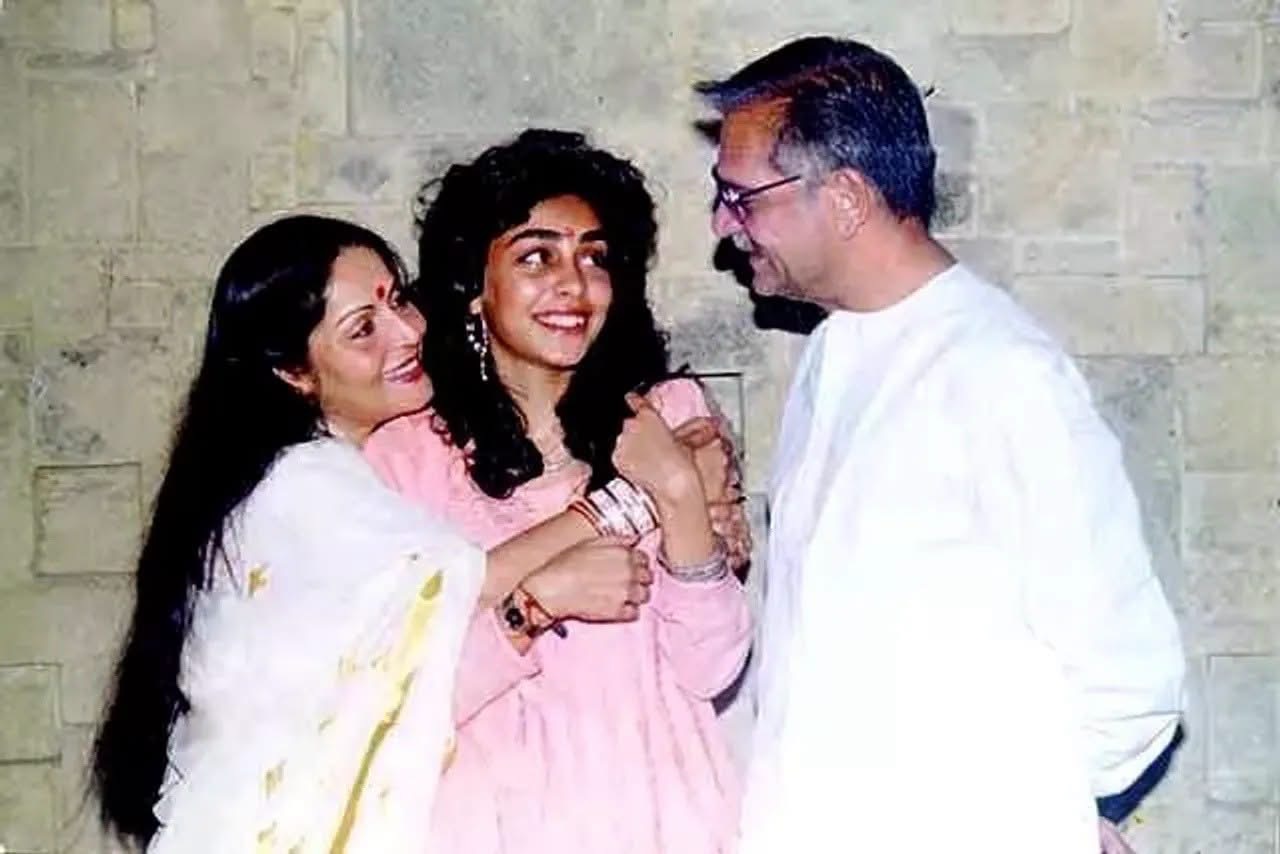
इस मुल्क का सबसे व्यस्त लेखक अपनी घड़ी एक बच्ची के स्कूल की घंटी से मिलाकर चलता था।
हर जन्मदिन पर वो उसके लिए एक किताब लिखते थे। तेरह बरस की उम्र तक।
बांद्रा वाले घर का नाम भी उसी बेटी के नाम पर है। बोस्कियाना।
जिसे मां का चेहरा नहीं मिला, और जो अपने बाप के पास वक्त पर नहीं पहुंच सका उसने अपनी बेटी को वो सब दे दिया, जो उसे खुद कभी नहीं मिला।
कुछ लोग अपना बचपन दोबारा जीते नहीं।
अपने बच्चे को दे देते हैं।
फिर संगीत। और उस हिस्से में एक ही नाम सबसे ऊंचा है।
पंचम। आर.डी. बर्मन।
दोनों में जमीन-आसमान का फर्क था। एक ठहरा हुआ, चुप, गहरा। दूसरा बेचैन, शरारती, हमेशा किसी धुन में उलझा।
गुलजार की लाइनें बहर में नहीं आती थीं। पंचम को उन्हें बांधने में सबसे ज्यादा मेहनत करनी पड़ती थी।
एक दिन गुलजार 'इजाजत' के लिए एक गीत लेकर पहुंचे। बिना तुक का, बिना बहर का। चिट्ठी की तरह लिखा हुआ।
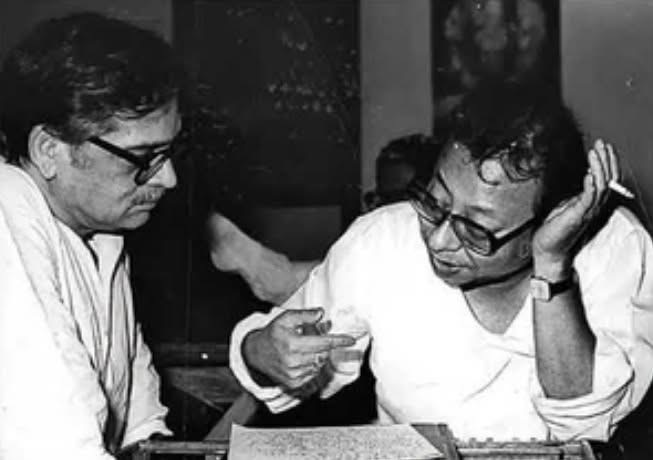
पंचम ने कागज फेंक दिया। बोले यह क्या है, टाइम्स ऑफ इंडिया?
गुलजार कोने में जाकर बैठ गए। चुपचाप।
और फिर आशा भोसले ने वो लाइनें अपने आप गुनगुनानी शुरू कर दीं।
बस उतना ही चाहिए था।
पंचम के भीतर धुन जाग गई। गीत पंद्रह मिनट में बन गया।
उस गीत पर गुलजार को सर्वश्रेष्ठ गीतकार का राष्ट्रीय पुरस्कार मिला। और आशा भोसले को सर्वश्रेष्ठ गायिका का।
एक आदमी का सबसे बड़ा काम इसलिए बच गया, क्योंकि कमरे में बैठी एक औरत ने उसे गुनगुना दिया।
4 जनवरी 1994। पंचम चले गए। चौवन बरस के थे।
उसी बरस गुलजार ने एक एल्बम बनाया, जिसमें कोई नई फिल्म नहीं थी। सिर्फ पंचम की यादें थीं।
और उसमें रिकॉर्डिंग के दौरान की पंचम की असली आवाज के वो टुकड़े थे, जो गुलजार ने बरसों से अपने पास संभालकर रखे थे।
एक दोस्त ने दूसरे दोस्त की आवाज को मिट्टी में जाने से रोक लिया।
पर जिसे इतना मिला, उसने आगे बढ़ाना भी सीखा।
अस्सी के दशक के आखिर में एक नौजवान उनके पास आया। बिजनौर का लड़का, जो दिल्ली में छोटी महफिलों में हारमोनियम बजाता था।
नाम विशाल भारद्वाज।
दोनों ने मिलकर बच्चों के एक धारावाहिक का शीर्षक गीत बनाया। जंगल बुक।
वो विशाल का पहला कामयाब गाना था।
फिर गुलजार ने अपनी फिल्म 'माचिस' का संगीत उसी लड़के को दिया। वहीं से उसका करियर बना।
और फिर कहा अब तुम खुद निर्देशन करो।
विशाल भारद्वाज आज जो हैं, उस एक सलाह की वजह से हैं।
विशाल ने गुलजार के बारे में जो कहा, उससे बेहतर तारीफ मैंने आज तक नहीं पढ़ी
उन्होंने कहा कि गुलजार साहब दरअसल इस इंडस्ट्री के सबसे बुजुर्ग बच्चे हैं। उम्र ने उन्हें थकाया नहीं, इसीलिए वो बच्चों के लिए सबसे अच्छा लिखते हैं।
फिर सम्मान आते चले गए।
साहित्य अकादमी। पद्म भूषण। 'जय हो' के लिए ऑस्कर, फिर ग्रैमी। दादासाहेब फाल्के।
फिल्में उन्होंने खुद बनाईं मेरे अपने, परिचय, कोशिश, आंधी, मौसम, अंगूर, किताब, किनारा, इजाजत, लेकिन, माचिस।
आंधी को आपातकाल में रोक दिया गया था।
गालिब पर उन्होंने दूरदर्शन के लिए धारावाहिक बनाया।
फाल्के मिलने पर पूछा गया कि ऑस्कर के बाद यह क्या मायने रखता है।
उन्होंने कहा बाकी सब किसी एक गाने या फिल्म के लिए थे। यह पूरे काम के लिए है।
और फिर एक लाइन जोड़ी, जो कोई थका हुआ आदमी नहीं बोल सकता
अच्छा लगता है कि जब आप अब भी काम कर रहे हों, तभी कद्र हो जाए।
पर सबसे लंबा सफर उन्होंने 2013 में किया।
सत्तर साल बाद वो दीना लौटे।
डॉन को दिए इंटरव्यू में पूछा गया इतनी देर क्यों की?
उन्होंने कहा कि उनके जेहन में उस कस्बे की, उस गली की, उस घर की एक तस्वीर बसी हुई थी।
और उन्हें डर था कि जाकर देखने से वो तस्वीर मैली हो जाएगी।
एक आदमी अपने घर इसलिए नहीं जा रहा था, क्योंकि उसे अपनी याद के टूट जाने का डर था।
जब गए, तो गाड़ी में चुप बैठे रहे। दोस्त बातें करना चाहते थे। उन्होंने कहा मत बोलो।
वो सड़क किनारे लगे उर्दू के साइनबोर्ड पढ़ रहे थे। एक-एक करके।
उन्होंने कहा कि जिंदगी में उन्होंने कभी एक दिन में इतनी उर्दू नहीं पढ़ी थी।
फिर झेलम। फिर दीना स्टेशन।
स्टेशन बिल्कुल वैसा ही था। सत्तर बरस में सिर्फ एक छोटा कमरा नया बना था।
बगल में वही खुले खेत।
और वहीं खड़े-खड़े उन्हें वो बच्चा याद आया, जो सीटी सुनकर भागा चला आता था।
पुराना घर भी मिल गया। पर वो पिछला दरवाजा, जो खेतों में खुलता था, चिन दिया गया था।
और बचपन का एक भी आदमी वहां नहीं मिला।
अब समझिए कि यह इंसान इतना क्यों लिखता है।
अमेरिका के मनोवैज्ञानिक जेम्स पेनेबेकर ने अस्सी के दशक में एक प्रयोग किया। लोगों से कहा कि वो अपनी सबसे तकलीफदेह याद पर, लगातार कुछ दिन, रोज पंद्रह-बीस मिनट लिखें।
नतीजा चौंकाने वाला था। जिन्होंने लिखा, उनकी सेहत बेहतर हुई। डॉक्टर के पास जाना कम हुआ।
पेनेबेकर ने इसे नाम दिया एक्सप्रेसिव राइटिंग।
बात सीधी थी। जो दुख भीतर बंद रह जाता है, वो शरीर पर बोझ बनकर बैठ जाता है।
अब गुलजार का अपना वाक्य पढ़िए।
उन्होंने कहा कि बंटवारे पर वो बहुत दिनों तक लिख ही नहीं पाए।
पर आखिरकार लिखने के इसी अमल ने उन्हें संभाला, और थोड़ा जहर बाहर निकालने में मदद की।
पेनेबेकर ने जो प्रयोगशाला में साबित किया, गुलजार ने वो एक मेज पर जी लिया।
और उस मेज के बारे में उनका अपना बयान सबसे प्यारा है।
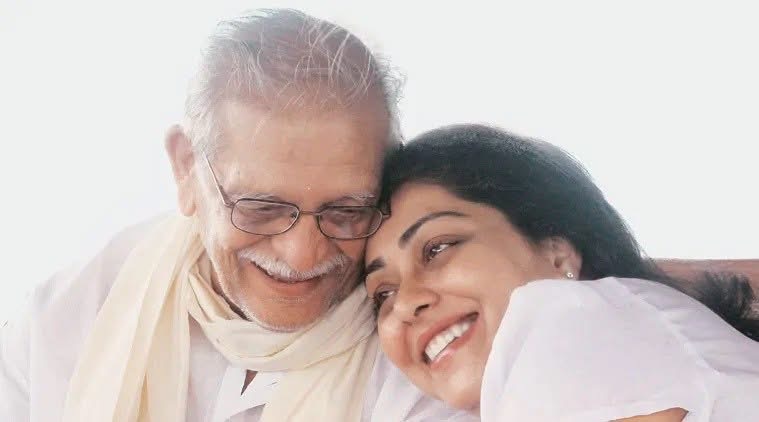
उन्होंने कहा कि वो एक बड़े मुनीम हैं, जो सुबह दस से शाम छह तक अपनी मेज पर बैठा रहता है। फर्क सिर्फ इतना कि मुनीम रुपये-पैसे का हिसाब लिखता है, और वो इंसान का।
फिर जो जोड़ा, उसमें पूरी उम्र समाई हुई है
और इंसान का हिसाब कभी बराबर नहीं बैठता।
ऊपर वाले से भी उनका रिश्ता वैसा ही टेढ़ा रहा।
वो उसे बड़े मियां कहकर बुलाते हैं। कहते हैं कि दोनों आंख-मिचौली खेल रहे हैं और उन्हें शक है कि छुपने वाला वही है।
अब वो चीज, जो इस पूरी कहानी का दायरा बंद कर देती है।
2016 में उन्होंने वही किताब दोबारा उठाई, जिसने उन्हें लेखक बनाया था।
इस बार कोई बिचौलिया नहीं। सीधे बांग्ला मूल से।
नाम रखा बागबान। और किताब में बांग्ला, ठाकुर की अपनी अंग्रेजी, और अपनी हिंदी तीनों साथ छापीं।
और फिर वो बात, जो मुझे इस पूरी रिसर्च में सबसे आखिर में मिली।
दिसंबर 2018। कोलकाता। जोड़ासांको ठाकुरबाड़ी।
ठाकुर परिवार का वही घर, जहां रवींद्रनाथ पैदा हुए, और जहां उन्होंने आखिरी सांस ली।
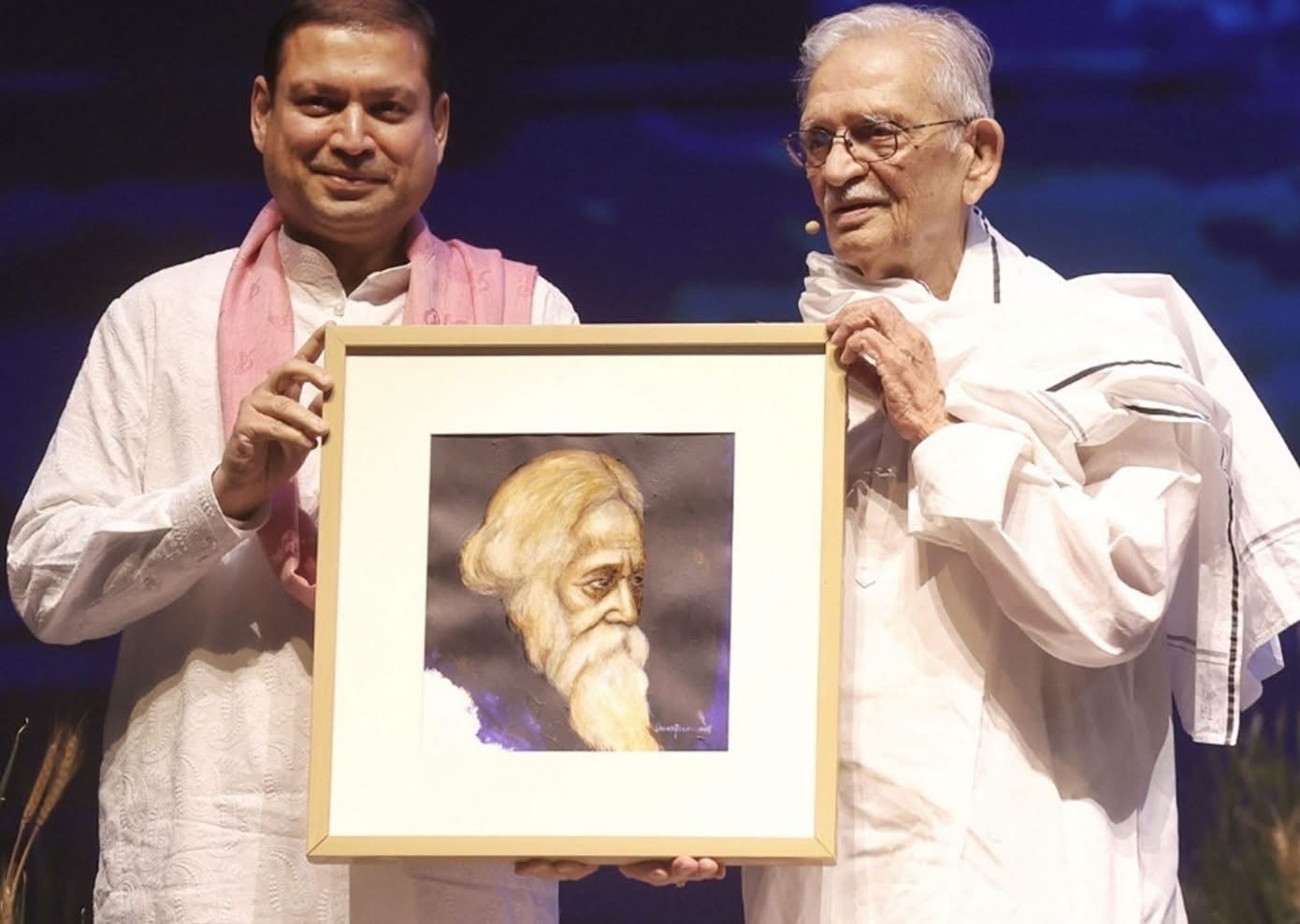
वहां उस परिवार पर एक लाइट-एंड-साउंड शो चलता है। उस साल उसका हिंदी संस्करण शुरू हुआ।
उद्घाटन गुलजार ने किया।
और स्क्रिप्ट भी गुलजार ने ही लिखी।
यह मैं अंदाजे से नहीं लिख रहा रबींद्र भारती विश्वविद्यालय की अपनी सालाना रिपोर्ट में यह दर्ज है।
अब पूरी बात एक साथ रखिए।
एक लड़का, जिसे किसी ने ठाकुर की एक तर्जुमे वाली किताब थमा दी थी।
उसने उस किताब की खातिर बांग्ला सीखी।
उसी बांग्ला ने उसे बिमल रॉय तक पहुंचाया।
उसी बांग्ला से उसने अपने प्रेमपत्र लिखे।
सत्तर साल बाद उसने वही किताब खुद तर्जुमा की।
और फिर वो ठाकुर के अपने घर में खड़ा होकर, उस घर की कहानी, अपनी जबान में, पूरे हिंदुस्तान को सुना रहा था।
एक चुराई हुई किताब का कर्ज किसी ने इससे बड़ा कभी नहीं चुकाया।
अब आखिरी हिस्सा।
2024 में उन्हें ज्ञानपीठ मिला। देश का सबसे बड़ा साहित्यिक सम्मान।
16 मई 2025 को दिल्ली के विज्ञान भवन में समारोह हुआ।
गुलजार नहीं जा सके। तबीयत।
तो 22 मई को भारतीय ज्ञानपीठ के लोग खुद बांद्रा वाले घर पहुंचे, और वो सम्मान उनके हाथ में रख दिया।
कमरे में जो लोग खड़े थे, उनमें विशाल भारद्वाज और रेखा भारद्वाज भी थे।
वही लड़का, जिसे उन्होंने बच्चों के एक गाने से उठाकर खड़ा किया था।
सत्तर बरस पहले एक बच्चे के पास किताब खरीदने के पैसे नहीं थे।
और उस दिन देश का सबसे बड़ा साहित्यिक सम्मान चलकर उसके दरवाजे तक आया।
क्योंकि वो चलकर उस तक नहीं जा सका।
और इसी बरस, अप्रैल में, आशा भोसले भी चली गईं। बयानवे की उम्र में।
वही आवाज, जिसने कोने में चुप बैठे एक शायर का गीत गुनगुनाकर बचा लिया था।
बिमलदा। मीना कुमारी। पंचम। भूपिंदर। लता। और अब आशा।
गुलजार साहब उन सबसे आगे निकल आए हैं।
उस मेज के आसपास अब बहुत खामोशी होगी।
पर वो अब भी वहीं बैठते हैं।
कुछ बरस पहले उन्होंने एक काम पूरा किया, जिसे पढ़कर सांस रुकती है। चौंतीस भाषाओं के दो सौ उन्यासी कवियों की तीन सौ पैंसठ कविताएं। साल के हर दिन के लिए एक। सब उन्होंने खुद चुनीं, खुद उतारीं।
नौ बरस लगे।
नौ बरस, उस उम्र में जब लोग अपनी किताबें अलमारी में बंद करके चाबी रख देते हैं।
और इसी साल मार्च में, इक्यानवे की उम्र में, वो इस बात पर बोल रहे थे कि आर्टिफिशियल इंटेलिजेंस के जमाने में कविता क्यों जरूरी है।
अब मेरी बात।
मैं अठारह साल से खबर लिख रहा हूं। इस शहर के एक दफ्तर में मेरा काम है, दूसरों के लिखे को दुरुस्त करना।
और मैं आपसे बिल्कुल ईमानदारी से एक बात कहूं।
मैं गुलजार साहब की तरह नहीं लिख सकता। बीस फीसदी भी नहीं।
कोशिश बरसों से कर रहा हूं।
पर जब भी कोई खबर मेरे सामने आती है, और मुझे लगता है कि इसके नीचे कहीं एक इंसान दबा हुआ है तो जो आदत मुझे उस इंसान तक खींचकर ले जाती है, वो मैंने उन्हीं से चुराई है।
और उन्होंने ही लिख रखा है कि लफ्ज पढ़ने वाले के हो जाते हैं।
तो शायद यह चोरी नहीं है।
शायद यह अमानत है।
जोड़ासांको भी यहीं है। इसी शहर में।
और मुझे यह इस हफ्ते पता चला कि उस घर की कहानी हिंदी में जिन लफ्जों में सुनाई जाती है, वो एक ऐसे आदमी के लिखे हुए हैं, जिसका अपना घर सरहद के उस पार छूट गया था।
हम अपने ही शहर के बारे में कितना कम जानते हैं।
तीन बातें, जो मैं इस पूरी रिसर्च से निकालकर अपनी डायरी में लिख रहा हूं।
एक। जिसने आपको रोका, जरूरी नहीं कि वो आपका दुश्मन हो। कभी-कभी वो सिर्फ एक डरा हुआ बाप होता है। नाम बदल लीजिए। रास्ता मत बदलिए।
दो। जो दुख आप किसी से नहीं कह सकते, उसे कागज पर लिख दीजिए। यह भावुकता नहीं, प्रयोगशाला में जांची हुई बात है। भीतर बंद रह गया दुख शरीर पर बैठ जाता है।
तीन। कुछ हिसाब अपनी जगह पर कभी बराबर नहीं होते। पर कहीं और, किसी और के लिए, चुका जरूर दिए जाते हैं। जो आप अपने बाप को नहीं दे पाए, वो किसी और बुजुर्ग को दे दीजिए। हिसाब वहीं पूरा हो जाएगा।
इन तीन लाइनों के लिए इस पोस्ट को Save कर लीजिए। जिस दिन लगे कि जिंदगी ने आपसे कुछ ऐसा छीन लिया है जो अब लौटेगा नहीं, इन्हें दोबारा पढ़ लीजिएगा।
यह कहानी सिर्फ एक शायर की नहीं है। यह हर उस इंसान की है, जिसका घर पीछे छूट गया, और जिसने कहीं और जड़ पकड़ ली। अगर आपकी वॉल पर इसे पढ़कर आज किसी एक इंसान ने वो काम दोबारा शुरू कर लिया, जो उसे बरसों पहले छोड़ना पड़ा था तो शेयर करना वसूल हो जाएगा।
मैं राहुल हूं। मैं उन कहानियों के पीछे जाता हूं जो शोर में नहीं, चुप्पी में रहती हैं। यह सिलसिला आपको अपना लगे, तो साथ चलिए।
और मुझे एक बात बताइए।
कोई एक काम, जो आपने किसी के मना करने के बावजूद किया।
और आज वही आपकी पहचान है।
आज उसका नाम यहां लिख दीजिए। मैं एक-एक पढ़ूंगा।
#गुलजार #संपूर्णसिंहकालरा #तनहाचांद #जोड़ासांको #रावीपार
For those an English translation:
Here is the English translation, preserving the literary, emotional style of Rahul’s original as closely as possible:
Gulzar: The Boy Who Once Took a Book—and Spent a Lifetime Repaying Its Debt
The first book he ever stole—or perhaps simply kept—was when he was ten or twelve years old.
Its name was The Gardener, in Urdu translation.
The author was Rabindranath Tagore.
Seventy years later, the same man translated that very book himself.
And called it Baghban.
But let us begin at the beginning.
There was once a small town called Dina, in the Jhelum district.
It is now in Pakistan.
And even today, that town continues to live inside one man’s name.
The name was Gulzar Deenvi.
Gulzar means a garden in bloom.
Deenvi means one who belongs to Dina.
A blooming garden of Dina.
Somewhere along the way, he dropped “Deenvi.”
The town disappeared from his name too.
What remained was simply the “garden in bloom”—
Gulzar.
On August 18, that garden turned ninety-two.
On paper, his name is Sampooran Singh Kalra.
And changing his name was not a matter of fashion or whim.
His father, Makhan Singh Kalra, ran a small shop in the market at Dina. He did not approve of his son writing poetry.
He objected. Scolded him. Tried to stop him.
But the son did not stop writing.
Instead, he gave up his name.
The boy who could not write under his father’s name began writing under the name of his hometown.
Now, enter that home.
His mother’s name was Sujan Kaur. Gulzar never really knew her. She died when he was still a nursing infant.
According to his biographical account on Rekhta, his stepmother did not treat him kindly. So the child spent less time at home and more time at his father’s shop.
A child who did not even possess a memory of his mother’s face.
A child who lived almost like a guest in his own home.
That same man would spend his entire life creating other people’s faces through words.
There is one childhood memory he has narrated many times.
His father would travel to Paharganj in Delhi to purchase goods for the shop.
The little boy wanted to accompany him. His family would hold him back.
All he could see was his father standing inside the railway compartment—
and the train slowly moving away.
After that, whenever he heard the whistle of a train, the boy would run towards the railway station.
Not to do anything.
Just to stand there.
Then came 1947.
The home was lost. The family was divided. And they arrived in Delhi.
In an interview with Esquire India, Gulzar recalled a childhood memory so horrifying that even today it is difficult to read.
A boy who led the morning prayers at his school was dragged away through the streets of Delhi by a mob.
He disappeared from sight.
When the leader of the mob returned, there was blood on his sword.
Gulzar said:
He had been so terrified that he could not even cry.
For decades afterward, he would wake from dreams of that madness.
Yet during those very days, his father said something that Gulzar carried with him throughout his life.
All around them, people were cursing Muslims.
His father did not.
He simply said:
“A bad time has come. A catastrophe has descended upon us. It too shall pass.”
Gulzar has said that those words kept his mind clear.
A man who had lost almost everything was still protecting his children from hatred.
Years later, that little boy wrote a story.
Its name was “Ravi Paar” — Across the Ravi.
During the Partition riots, Darshan Singh’s family takes shelter in a gurdwara. There, his wife gives birth to twin boys.
The family later boards a goods train heading towards Amritsar.
On the way, one of the babies dies.
The mother continues holding both babies against her chest—even the dead one.
When the train reaches the bridge over the Ravi, a fellow passenger suggests that they consign the dead child to the river.
In the darkness, in the confusion and haste—
the father throws the living child into the river.
Gulzar did not write a speech about Partition.
He wrote the hands of a father.
Then came Bombay.
His studies were interrupted. He had to earn a living.
He found work at a garage on Bellasis Road, beside Mumbai Central Terminus.
The boy who had once stood endlessly at a railway station found his first job beside another railway station.
What was his work?
Painting cars damaged in accidents.
Matching shades of paint so perfectly that the repaired portions and cracks could no longer be seen.
In his own words:
“I understood colours.”
Pause here for a moment.
The man whose job was once to match colours so that the cracks in broken things disappeared eventually became the writer who used words to reveal the cracks inside broken human beings.
For the rest of his life, he did the exact opposite of his first job.
There was spare time in the garage.
Even waiting for paint to dry creates spare time.
During those hours, he read and wrote, attended college, and on Sundays joined meetings of the Progressive Writers’ Association.
And now we return to where this story began.
The first book he took was when he was perhaps ten or twelve.
The Gardener by Rabindranath Tagore, in Urdu translation.
Perhaps someone had lent it to him and he simply kept it.
Tagore had originally written those poems in Bengali and later translated them himself into English, publishing The Gardener in 1913.
So by the time those words reached this young boy, they had already travelled through two languages.
But they reached him nevertheless.
Gulzar says that after reading that book, he decided that he wanted to write.
But he did something more.
He learned Bengali so that he could read Tagore in Tagore’s own language.
A Punjabi boy working in a Bombay garage was teaching himself a third language—
simply because a translation was not enough for him.
He did not yet know that Bengali would unlock many doors throughout his life.
The first door.
At meetings of the Progressive Writers’ Association, he became friends with lyricist Shailendra.
Shailendra took him to Bimal Roy.
Bimal Roy’s first question was not asked in Hindi.
He asked his assistant in Bengali whether this young man would understand Vaishnav poetry well enough to write for it.
The assistant replied:
“Bimalda, Gulzar understands Bengali. He speaks it too.”
Bimal Roy was embarrassed.
He asked Gulzar where he had learned Bengali.
“From friends,” Gulzar replied. “And then by reading it myself.”
“Have you read Kabuliwala?”
“Yes. First in Urdu. Then in English. Then in Bengali.”
The film was Bandini, released in 1963—Bimal Roy’s last completed film.
Gulzar wrote the song in five days.
Ironically, he had initially refused.
He did not want to become a film lyricist at all.
Bimal Roy told him:
“You are wasting your time in that garage.”
And he made Gulzar his assistant.
But during this period something happened that left a wound Gulzar rarely displayed.
His father died in Delhi.
His family did not tell him.
Even Gulzar’s elder brother, who was in Bombay, knew about it. He flew to Delhi the same day.
He did not tell his younger brother a word.
A few days later, a neighbour from Delhi finally informed Gulzar.
He immediately boarded a train.
In those days, the fastest train to Delhi was the Frontier Mail.
Even that took twenty-four hours.
Twenty-four hours.
In the book Housefull, Gulzar recalls:
“By the time I reached home, everything was over.”
The child who had once stood at a railway station waiting for his father’s train now spent twenty-four hours on a train trying to reach that same father.
And he arrived too late.
The father who had once tried to stop him from writing—
Gulzar did not even have the fortune of carrying his bier.
Five years later, however, that unfinished account was settled somewhere else.
Bimal Roy developed cancer.
Every night Gulzar sat beside his bed.
He read aloud from the screenplay that Bimal Roy loved most but was never able to make into a film.
Its name was Amrit Kumbh.
A dying man—
and beside him a young writer reading, night after night, the story that the dying filmmaker would never be able to bring to the screen.
Gulzar recalled:
“Every night I cried as cancer slowly consumed Bimalda.”
On January 7, 1966, Bimal Roy died.
He was fifty-six.
The next day, Gulzar performed his last rites.
And then Gulzar said a sentence that perhaps holds the key to this entire life:
“That day we cremated Bimalda. And with him, I cremated my father too.”
An unfinished duty of five years was finally completed at another man’s funeral pyre.
And Gulzar found yet another father—from across the border.
According to Rekhta, some of his early writings were published in Pakistani literary journals.
Ahmed Nadeem Qasmi, editor of Funoon, encouraged the young poet and guided him.
Gulzar called him Baba.
The border that had taken away his home gave him, from the other side, another father.
And now comes a chapter that is spoken about less often.
On the sets of Bimal Roy’s Benazir, Gulzar met an actress.
Her name was Meena Kumari.
The country knew her as the Tragedy Queen.
But inside that woman lived a poet who had rarely been given a way to emerge.
She wrote poetry under the pen name Naaz.
In 1971, she recorded her poems in her own voice.
That same year, Gulzar made his first film as director, Mere Apne.
Meena Kumari’s health was already deteriorating.
Still, she worked in the film and completed it.
On March 31, 1972, she died.
She was only thirty-eight.
Before leaving, she entrusted Gulzar with some of her most precious possessions—
her poems and diaries.
Gulzar later published them under the title Tanha Chand.
In its introduction, he described himself in only one way:
He was not their owner.
He was merely their custodian.
And he wrote something that completes the circle of this story:
A poet owns his poem only until he has spoken it.
Once spoken, the poem belongs to its readers.
The boy who had once taken his first book eventually grew up to say that words ultimately belong to everyone.
Now there is some light.
The Bengali he had learned because of Tagore eventually opened another door.
At a literary gathering in Sharjah, Gulzar laughingly recalled that the language later became useful when he had to write love letters to a Bengali girl.
That girl’s name was Rakhee.
They married in 1973.
That December, their daughter Meghna, affectionately called Bosky, was born.
The following year, Gulzar and Rakhee separated.
They never divorced.
Gulzar has called Rakhee:
“The longest short story of my life.”
But although the marriage broke apart, one relationship did not.
In Meghna’s book about her father, Because He Is, there are memories gentler than any film.
Every morning Gulzar prepared his daughter for school.
He tied her shoelaces.
He braided her hair because she did not like the way the maid braided it.
And every working day he stopped work at four in the afternoon.
Why?
Because his daughter’s school ended at four.
One of India’s busiest writers adjusted his clock to the ringing of a little girl’s school bell.
For every birthday, until she was thirteen, he wrote a book for her.
His Bandra home itself is named after her:
Boskyana.
The child who never knew his mother’s face, and who could not reach his father in time, gave his own daughter everything he himself had missed.
Some people do not relive their childhood.
They give it to their children.
Then came music.
And in that chapter, one name rises above all others:
Pancham—R. D. Burman.
The two could hardly have been more different.
One quiet, still and deep.
The other restless, mischievous and forever chasing a tune.
Gulzar’s lines often did not fit conventional metre, and Pancham had to work hard to contain them within melody.
One day Gulzar arrived with a song for Ijaazat.
No conventional rhyme. No regular metre.
It read almost like a letter.
Pancham threw the paper aside and exclaimed:
“What is this—the Times of India?”
Gulzar quietly went and sat in a corner.
Then Asha Bhosle began humming the lines to herself.
That was all Pancham needed.
A melody awakened inside him.
Within fifteen minutes, the song was composed.
Gulzar won the National Film Award for Best Lyricist for that song.
Asha Bhosle won Best Female Playback Singer.
One man’s extraordinary work survived because a woman sitting in the room began humming it.
On January 4, 1994, Pancham died.
He was only fifty-four.
That same year, Gulzar created an album—not for a new film, but from memories of Pancham.
It contained fragments of Pancham’s real voice from recording sessions that Gulzar had preserved for years.
One friend prevented another friend’s voice from disappearing into the earth.
And a man who had received so much also learned to pass it forward.
In the late 1980s, a young man came to him.
A boy from Bijnor who used to play harmonium at small gatherings in Delhi.
His name was Vishal Bhardwaj.
Together they created the title song for a children’s television series—The Jungle Book.
It became Vishal’s first successful song.
Later, Gulzar entrusted the music of Maachis to him.
That helped launch his career.
And then Gulzar told him:
“Now you should direct films yourself.”
Vishal Bhardwaj once described Gulzar in perhaps the finest way:
Gulzar Sahib is actually the oldest child in the film industry.
Age never exhausted his sense of wonder.
Perhaps that is why he writes so beautifully for children.
Then came the honours.
The Sahitya Akademi Award.
Padma Bhushan.
An Oscar for Jai Ho, followed by a Grammy.
The Dadasaheb Phalke Award.
As a director he made films including Mere Apne, Parichay, Koshish, Aandhi, Mausam, Angoor, Kitaab, Kinara, Ijaazat, Lekin and Maachis.
Aandhi was stopped during the Emergency.
He created the celebrated television series on Mirza Ghalib for Doordarshan.
When he received the Phalke Award, someone asked what it meant after an Oscar.
He replied that the other awards had been for a particular song or film.
This one was for his entire body of work.
Then he added a line no tired man could have spoken:
“It feels good to be appreciated while you are still working.”
But perhaps his longest journey came in 2013.
After some seventy years, Gulzar returned to Dina.
In an interview with Dawn, he was asked why he had waited so long.
He explained that an image of the town, the street and his house had remained preserved inside his mind.
He feared that if he went back and saw reality, that image might become stained or broken.
A man stayed away from his home because he feared losing the home preserved inside his memory.
When he finally returned, he sat silently in the car.
His companions wanted to talk.
He asked them not to.
Instead, he read the Urdu signboards along the road, one after another.
He said he had never read so much Urdu in a single day in his life.
Then came Jhelum.
Then Dina railway station.
The station looked almost exactly the same.
Only one small room had been added in seventy years.
Beside it were the same open fields.
Standing there, he remembered the little boy who used to run towards the station whenever he heard a train whistle.
They even found his old house.
But the rear doorway that once opened towards the fields had been bricked up.
And there was not a single person from his childhood left there.
Perhaps now we understand why this man writes so much.
American psychologist James Pennebaker conducted experiments in the 1980s in which people were asked to write for fifteen or twenty minutes a day, over several days, about their most painful experiences.
The results were striking.
Writing appeared to help some people process difficult experiences and was associated in his research with improvements in aspects of health.
He called it expressive writing.
Now consider Gulzar’s own experience.
He has said that for a long time he could not write about Partition.
Eventually, however, writing about it helped him cope and allowed some of the poison within him to come out.
What Pennebaker explored in the laboratory, Gulzar lived at his writing desk.
And Gulzar’s description of that desk is perhaps the most charming of all.
He says he is like a senior accountant who sits at his desk from ten in the morning until six in the evening.
The only difference is that an accountant keeps accounts of money—
while Gulzar keeps accounts of human beings.
Then he adds:
“And the accounts of human beings never balance.”
His relationship with God has remained equally unconventional.
He calls Him Bade Miyan.
He says the two of them are playing hide-and-seek, and he suspects that the one hiding is God Himself.
Now comes the moment that closes the circle.
In 2016, Gulzar returned to the book that had first inspired him to become a writer.
This time, there was no intermediary.
He translated directly from the Bengali original.
He called it Baghban.
The volume presented Bengali, Tagore’s own English version, and Gulzar’s Hindi together.
Then, in December 2018, Gulzar stood at Jorasanko Thakurbari in Kolkata—
the Tagore family home where Rabindranath Tagore was born and where he died.
A light-and-sound presentation about the Tagore family is staged there.
That year, its Hindi version was inaugurated.
Gulzar inaugurated it.
And Gulzar had written its script.
Now put the entire journey together.
A little boy somehow came into possession of a translated book by Tagore.
Because of that book, he learned Bengali.
That Bengali helped take him to Bimal Roy.
That Bengali helped him write love letters.
Seventy years later, he translated the same book himself.
And eventually he stood inside Tagore’s own ancestral home, telling the story of that house to India in his own language.
Has anyone ever repaid the debt of a borrowed—or stolen—book more beautifully?
And now the final chapter.
In 2024, Gulzar was honoured with the Jnanpith Award, India’s highest literary honour.
At the award ceremony in Vigyan Bhavan, Delhi, in May 2025, Gulzar could not attend because of his health.
So representatives of Bharatiya Jnanpith later went to his Bandra home and placed the honour in his hands.
Among those present were Vishal Bhardwaj and Rekha Bhardwaj.
The same young man whom Gulzar had once helped lift onto his feet through a children’s song was standing there.
Decades earlier, there had been a little boy who perhaps did not even have the money to buy the book that changed his life.
Now one of the country’s greatest literary honours had travelled to his doorstep because he could not travel to receive it.
Bimalda.
Meena Kumari.
Pancham.
Bhupinder.
Lata.
And so many others.
Gulzar Sahib has lived on beyond so many of his companions.
There must be considerable silence around that writing desk now.
Yet he continues to sit there and work.
A few years ago, he completed an extraordinary project involving 279 poets writing in 34 languages and 365 poems—one for every day of the year.
He selected them and rendered them himself.
It took nine years.
Nine years—
at an age when many people have already locked their books inside cupboards and put away the keys.
And even in his nineties, he continues to engage with questions about why poetry remains necessary in the age of artificial intelligence.
Now, a personal word from Rahul.
I have been writing news for eighteen years. In an office in this city, part of my job is to correct and refine what others have written.
And I want to say something with complete honesty.
I cannot write like Gulzar Sahib.
Not even twenty percent as well.
I have been trying for years.
But whenever a news story comes before me and I feel that somewhere underneath it a human being is buried, the instinct that pulls me towards that person is something I stole from him.
And Gulzar himself has written that once words have been spoken, they belong to the reader.
So perhaps this is not theft.
Perhaps it is an inheritance entrusted to us.
Jorasanko is here too—in this very city.
And only this week I discovered that the story of that house, when told in Hindi, is narrated in words written by a man whose own childhood home was left behind on the other side of a border.
How little we know even about our own cities.
Three things I am taking from this research and writing in my diary.
One: The person who tries to stop you is not necessarily your enemy. Sometimes he is simply a frightened father. Change your name if you must—but do not change your path.
Two: The sorrow you cannot tell anyone, put it on paper. Writing can help us process experiences that otherwise remain locked inside us.
Three: Some accounts in life can never be balanced in the place where they began. But sometimes they can be settled somewhere else, through someone else. What you could not give your own father, perhaps you can give another elderly person. The account may find completion there.
Save these three lines.
On a day when you feel that life has taken something from you that can never return, read them again.
This is not merely the story of a poet.
It is the story of every human being who left a home behind and learned to put down roots somewhere else.
If reading this story inspires even one person to restart something they were forced to abandon years ago, sharing it will have been worthwhile.
I am Rahul.
I go looking for those stories that live not in noise, but in silence.
If this journey feels like your own, walk along with me.
And tell me one thing:
What is the one thing you continued doing despite someone telling you not to—and which eventually became part of your identity?
Write its name today.
I will read every one.
 Harvinder before Shiv was born in Balaju coronial gardens.