As we strolled through the festive and bustling Santana Row marketplace, soaking in the Christmas cheer, a delightful surprise unfolded on Dec 12, 2017. A beautiful stranger, full of holiday spirit, suddenly jumped into our frame to pose alongside Harvinder. With a radiant smile and effortless charm, she added a touch of whimsy to our Christmas-decorated town photo.
In the true spirit of the season, she not only joined the moment but also graciously offered to snap a picture of us together, capturing a memory we’ll treasure.
It was a spontaneous and heartwarming encounter, a reminder of the unexpected joys this festive season can bring. Merry Christmas to all!
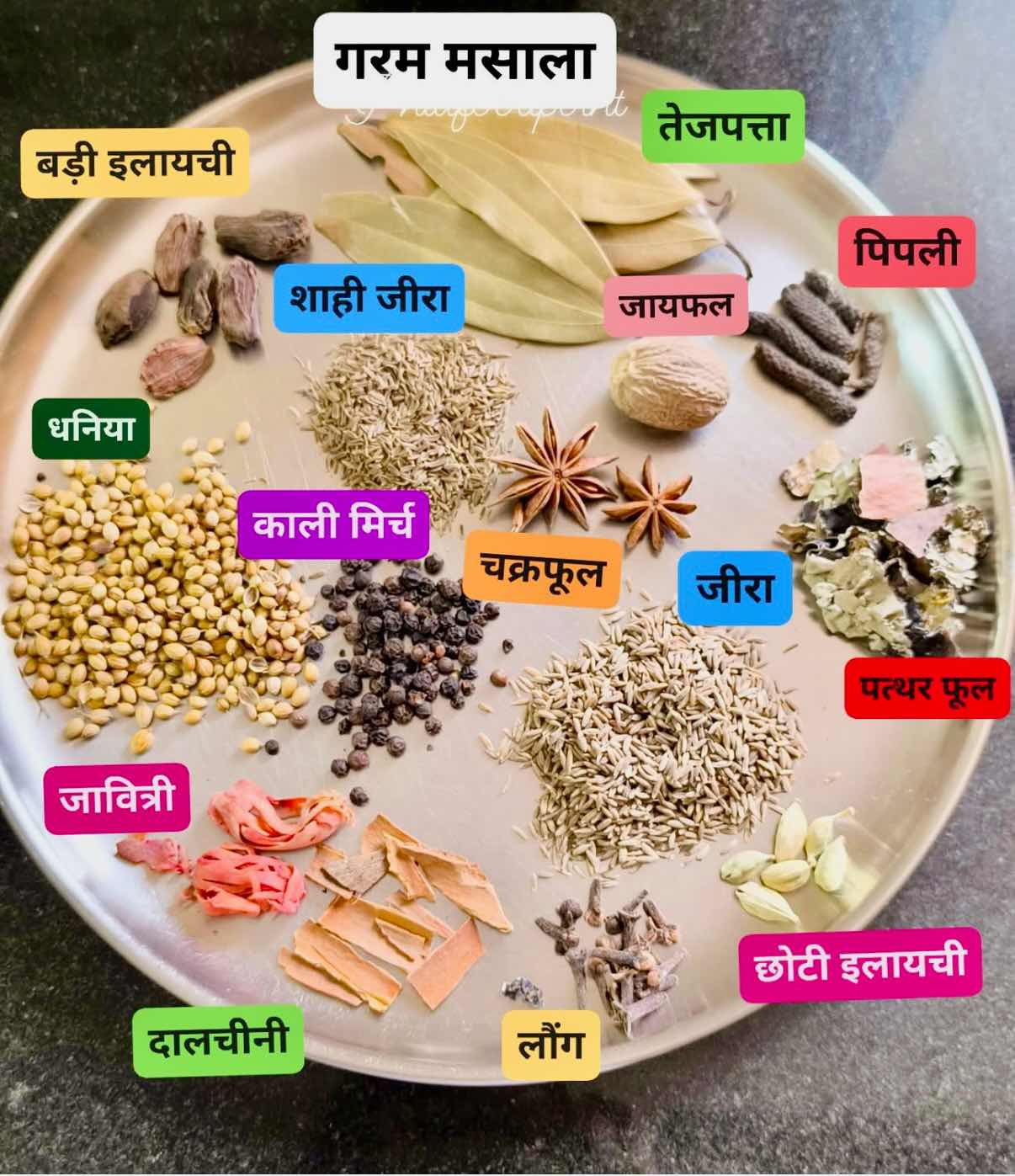
Garam Masala is a blend of aromatic spices used in Indian cooking to add warmth, depth, and complexity to dishes. The ingredients used in garam masala can vary regionally and by household preferences, but the common ingredients and their roles in the mix are detailed below. These are typically roasted lightly to enhance their flavors before grinding into a fine powder:
Key Ingredients in Garam Masala
1.Coriander Seeds
•Flavor: Citrusy and slightly sweet with a hint of earthiness.
•Purpose: Provides a balanced base flavor to the masala.
2.Cumin Seeds
•Flavor: Warm, nutty, and slightly peppery.
•Purpose: Adds warmth and an earthy depth to the blend.
3.Cardamom Pods (Green and/or Black)
•Green Cardamom: Sweet and floral with a hint of mint.
•Black Cardamom: Smoky and bold with menthol-like undertones.
•Purpose: Enhances the aromatic quality and adds a touch of sweetness or smokiness.
4.Cloves
•Flavor: Pungent, sweet, and warming.
•Purpose: Adds a sharp, intense warmth to the mix.
5.Black Peppercorns
•Flavor: Pungent and mildly spicy.
•Purpose: Contributes heat and sharpness to the spice blend.
6.Cinnamon Sticks
•Flavor: Sweet, woody, and warm.
•Purpose: Brings a comforting sweetness and warmth.
7.Bay Leaves
•Flavor: Mildly floral with hints of eucalyptus.
•Purpose: Adds subtle depth and a mild bitterness.
8.Nutmeg
•Flavor: Sweet, warm, and nutty.
•Purpose: Adds a soft, sweet aroma to balance the stronger spices.
9.Mace
•Flavor: Similar to nutmeg but more intense and slightly spicier.
•Purpose: Lends warmth and depth to the blend.
10.Dried Red Chilies(Optional)
•Flavor: Spicy and earthy.
•Purpose: Enhances the heat level for a spicier masala.
Optional Ingredients
•Star Anise: Adds a sweet licorice flavor.
•Fennel Seeds: Imparts a subtle licorice and sweet flavor.
•Ginger Powder: Adds mild heat and freshness.
•Turmeric: Provides earthy notes and a golden color.
Preparation Steps
1.Roasting:
Lightly dry roast all the whole spices in a skillet on low heat. This step enhances the natural oils and aromas of the spices.
2.Cooling:
Allow the roasted spices to cool completely to prevent clumping during grinding.
3.Grinding:
Use a spice grinder, mortar and pestle, or blender to grind the roasted spices into a fine powder.
4.Storage:
Store the garam masala in an airtight container, away from moisture and light. It can be kept for up to 6 months, although it is best used fresh for maximum flavor.
Usage
Garam masala is typically added toward the end of cooking to retain its aromatic qualities. It is used in dishes like curries, soups, rice, and even beverages like masala chai.
Would you like a specific recipe to try with this garam masala?
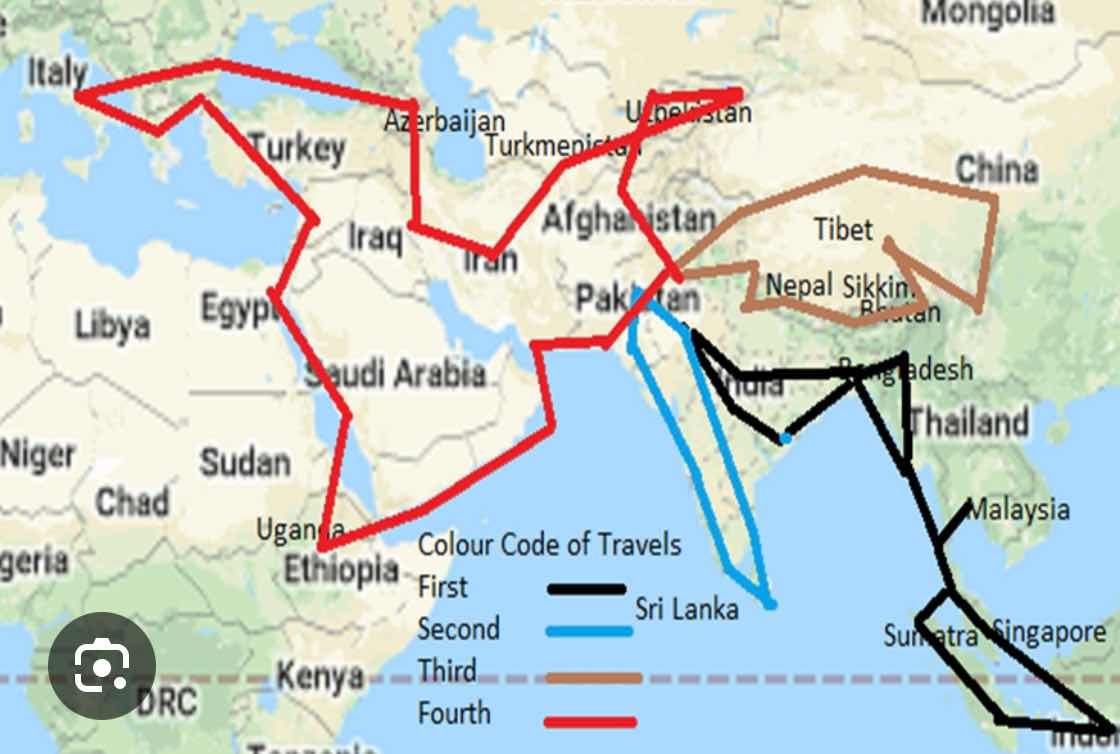
Guru Nanak Dev Ji’s Second Udaasi (spiritual journey) took him to many regions, including Sri Lanka. These journeys were undertaken to spread the universal message of love, humility, and devotion to the Divine.
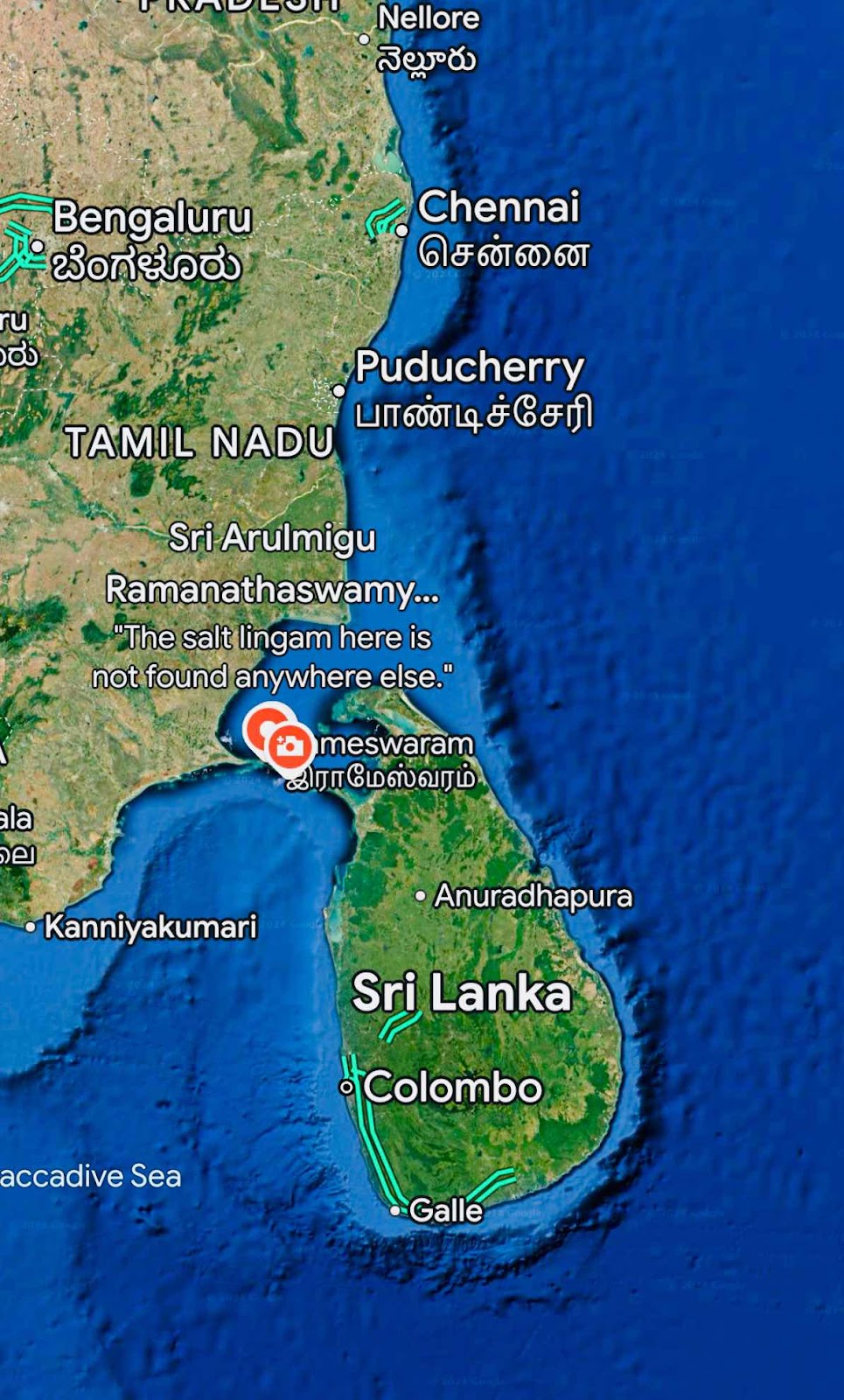
According to Sikh Janam Sakhi traditions, Guru Ji traveled to the southern regions of India, reaching Rameswaram and eventually crossing the sea to Sri Lanka.
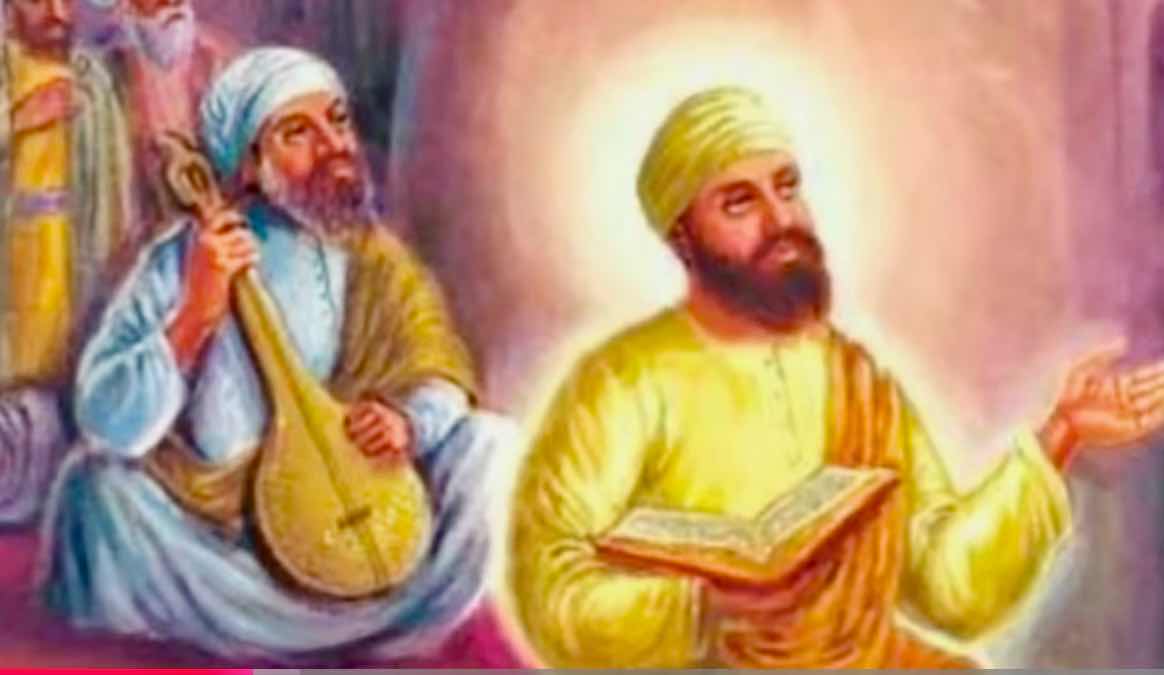
Guru Nanak Dev ji accompanied by Bhai Mardana
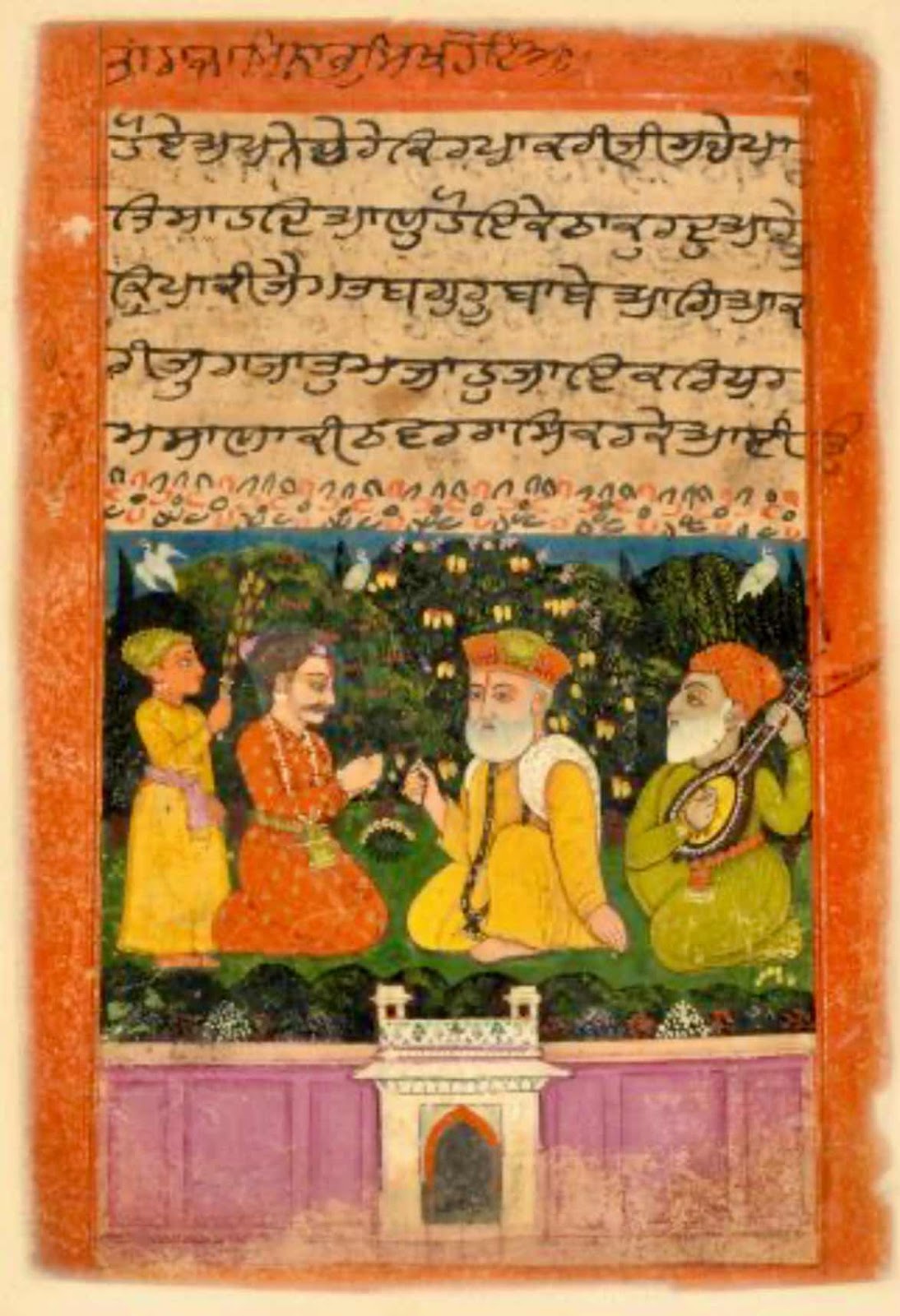
Accompanied by Bhai Mardana, he visited the kingdom of Raja ShivNabh, a ruler known for his ego and atheistic views.
Raja ShivNabh
Raja ShivNabh was an atheist whose ministers warned him not to meet Guru Nanak Dev Ji, fearing his curse. To test Guru Ji, ShivNabh sent ministers with a silver plate of diamonds as an offering, but Guru Ji rejected it, saying, “Tell him to offer himself instead.”
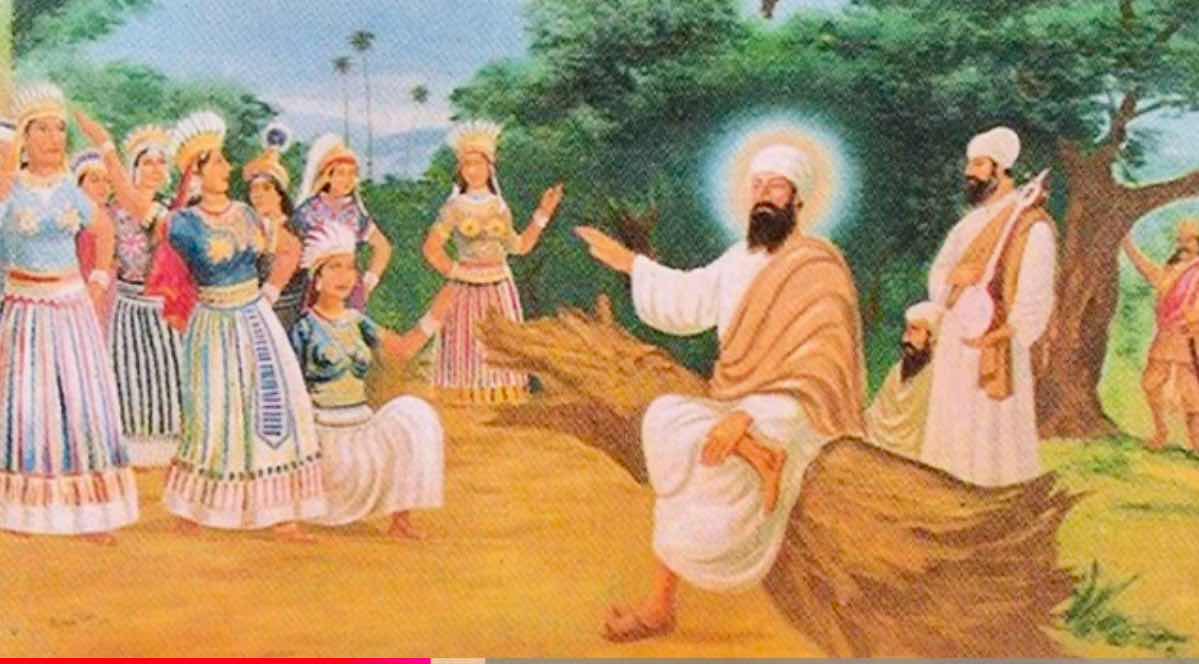
Dancing girls
Next, the king sent dancing prostitutes to tempt Guru Ji, who addressed them as daughters, leaving ShivNabh shaken. For the first time, the fear of God entered his heart. Humbled, he bowed to Guru Ji and requested great service to perform.
Raja ShivNabh making worldly offers.
Guru Ji replied, “Offer something truly yours that will help in the next world.” ShivNabh offered his kingdom, his body, and even his name, but Guru Ji pointed out that none of these were truly his—they were temporary and belonged to the world.
Transformed Raja ShivNabh with his wife
Impressed and intrigued by Guru Ji’s spiritual depth, the king invited him to his palace to share his wisdom with the queen. This encounter further solidified the transformative impact Guru Nanak Dev Ji had on Raja ShivNabh and his kingdom.
Raja ShivNabh surrendering
Finally, Guru Ji revealed the truth: “Give up your ‘I’—your ego.” Realizing this, ShivNabh surrendered, saying, “Nothing is mine; everything is Yours.” Transformed into a humble servant, he dedicated his rule and life to Guru Nanak. When asked who he belonged to, he answered, “Guru Nanak.” Blessed with divine knowledge (Brahm Gyan), ShivNabh requested only Naam (God’s Name) and to remain at Guru Ji’s feet.
Message of Oneness
Raja ShivNabh and his kingdom became some of the earliest followers of Guru Nanak Dev Ji, the founder of Sikhism, in the 16th century. Inspired by the Guru’s teachings oneness, they adopted his message of divine unity, equality, and devotion to the One Creator. Over time, the influence of Guru Nanak Dev Ji’s wisdom extended through the royal family and their subjects.
Bhat/Bhatra Connection
Raja ShivNabh’s grandson, Prince Baba Changa, became a devoted missionary and earned the title ‘Bhat Rai’—the ‘Raja of Poets.’ Baba Changa, along with his followers, traveled extensively across India to spread Guru Nanak Dev Ji’s teachings. These efforts led to the establishment of Bhat Sikhs—a community of devoted followers who played a crucial role in propagating the Guru’s message, especially in Northern India. This lineage of missionary poets significantly contributed to the early expansion of Sikhism.
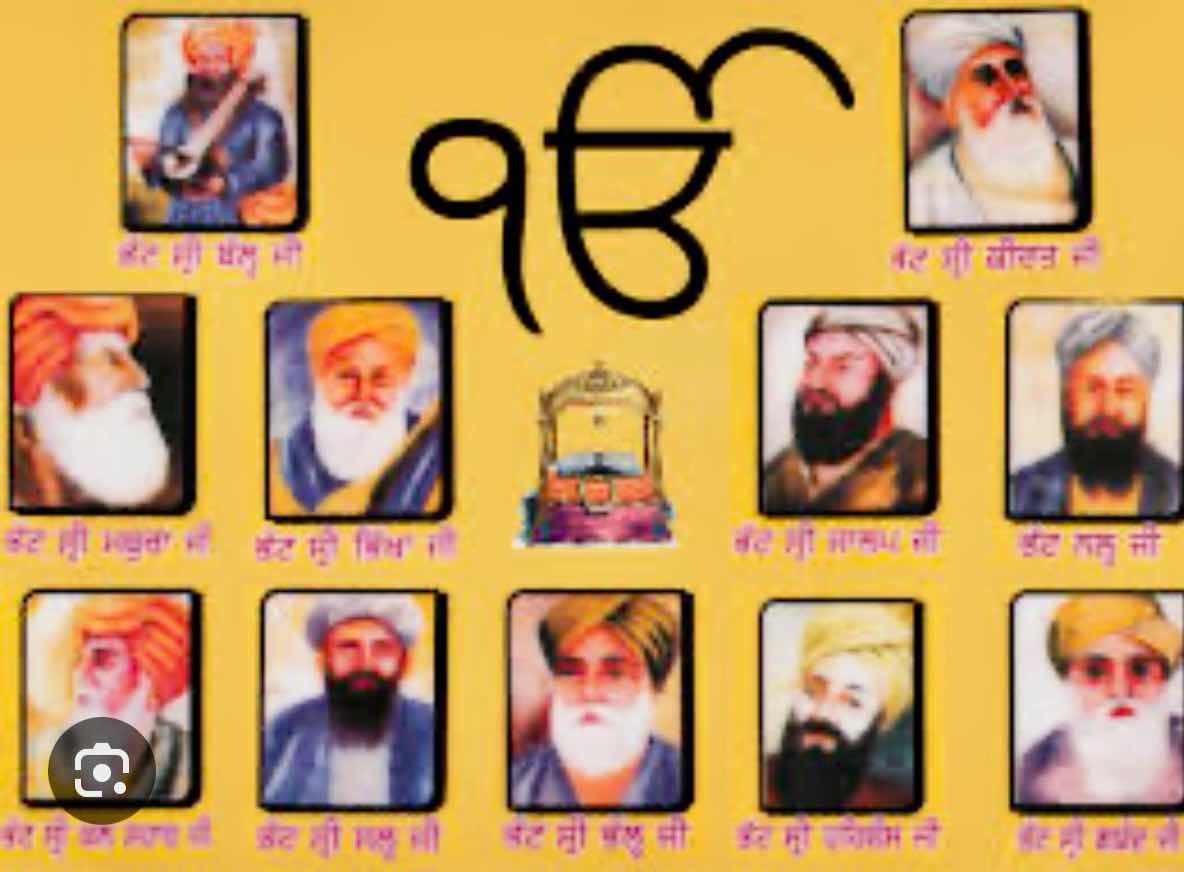
Bhats whose Bani is inserted in Sri Guru Granth Sahib
Bhatts were traditionally poets and bards who praised rulers or warriors in their verses. In Sikhism, however, Bhatts are spiritual poets who composed devotional hymns based on their personal experiences of the Sikh Gurus’ divinity. Their verses, included in the Guru Granth Sahib as Bhatt Bani, celebrate the Gurus’ spiritual wisdom and the path to liberation.
Bhats whose banis ‘Sawaiyye’are the first to be recited before the Parkash of sacred opening of Guru Granth Sahib every single day in Golden temple even today.
Harvi’s nephew Jason recently announced his engagement to Sharini, a wonderful young woman of Sri Lankan origin. The news brought joy to our family, and as I reflected on their union, it reminded me of the deep connections between Sikh history and Sri Lanka. Remarkably, Guru Nanak Dev Ji, the founder of Sikhism, visited Sri Lanka during his third Udasi (journey), demonstrating that spirituality transcends boundaries of geography, culture, and creed.
Guru Nanak’s Journey to Sri Lanka
Sri Guru Nanak accompanied by Mardana
According to Sikh tradition, Guru Nanak Dev Ji embarked on extensive travels to spread the message of oneness, equality, and devotion to God. Around the early 16th century, he ventured to a place known as Sikant Dweep, identified by historians and scholars as Sri Lanka. Accompanied by his faithful companion Bhai Mardana, Guru Nanak visited the court of King Shivnabh, a ruler known for his spiritual inclinations.
Raja Shivnabh Sri Lanka
King Shivnabh, deeply intrigued by Guru Nanak’s teachings, welcomed him with great reverence. The Guru imparted profound lessons about the universal brotherhood of mankind, emphasizing devotion to one God beyond rituals and formalities. His teachings transformed the King and his court, leaving an enduring legacy of spiritual wisdom.
Connecting the Past and Present
Sharini’s Sri Lankan roots feel like a bridge to this historic connection. It’s fascinating to consider how Guru Nanak’s timeless message resonates with people across centuries and cultures. Jason and Sharini’s union reminds us of the importance of building bridges, not walls—just as Guru Nanak did during his travels.
A Wish for the Future
Path to Nirvana
Aiming to reach at the top of Mountain
As Jason and Sharini prepare to embark on their journey together, I hope their relationship reflects the values that Guru Nanak cherished: mutual respect, harmony, and love that transcends differences. May their bond inspire others, much like Guru Nanak inspired countless souls during his travels, including his historic visit to Sri Lanka.
From L to R: Jag, Harvinder, Jessica, Pammy, Sharini, Jason, Preet.
Shiv Shilpy and Jason Sharini
In their union, I see not just the merging of two individuals but the coming together of two rich cultural heritages, united by shared human values and divine blessings.












 Aiming to reach at the top of Mountain
 Shiv Shilpy and Jason Sharini