Tuesday, July 14, 2020
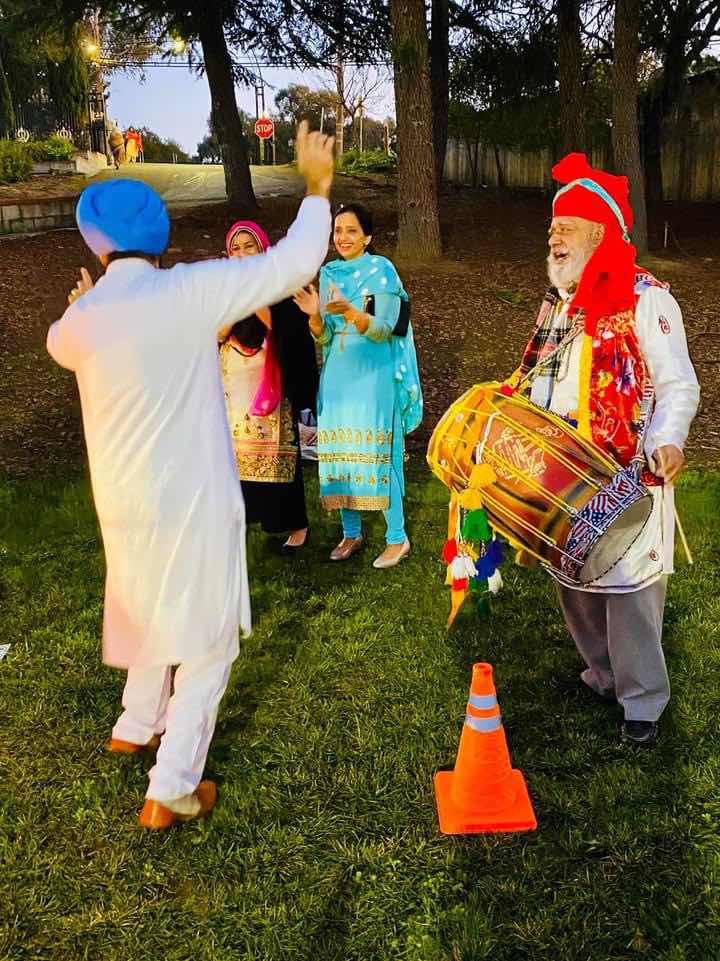
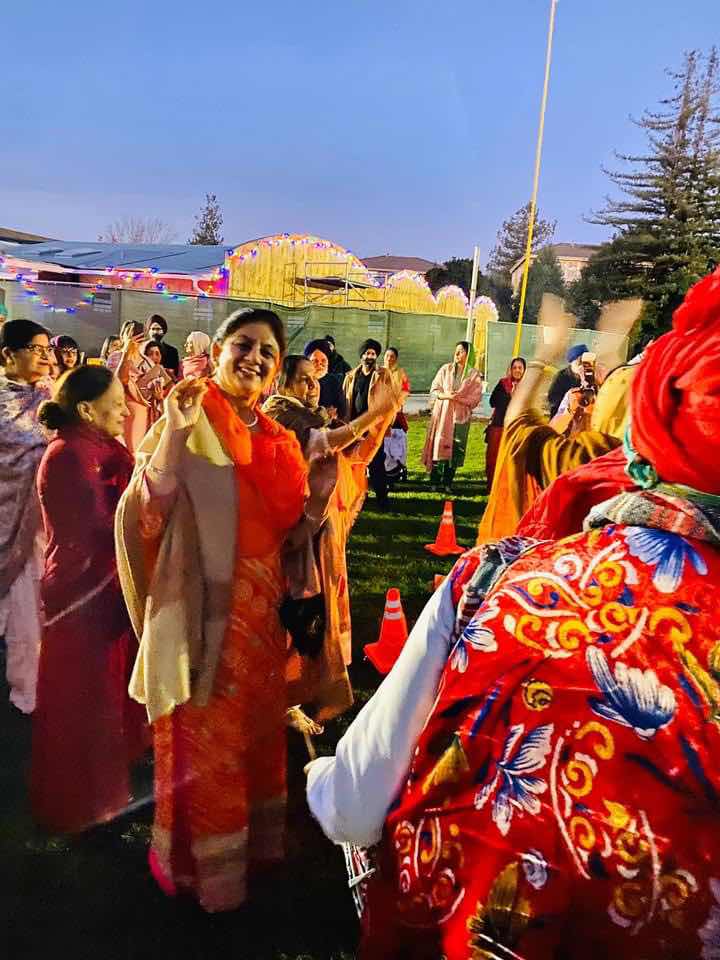
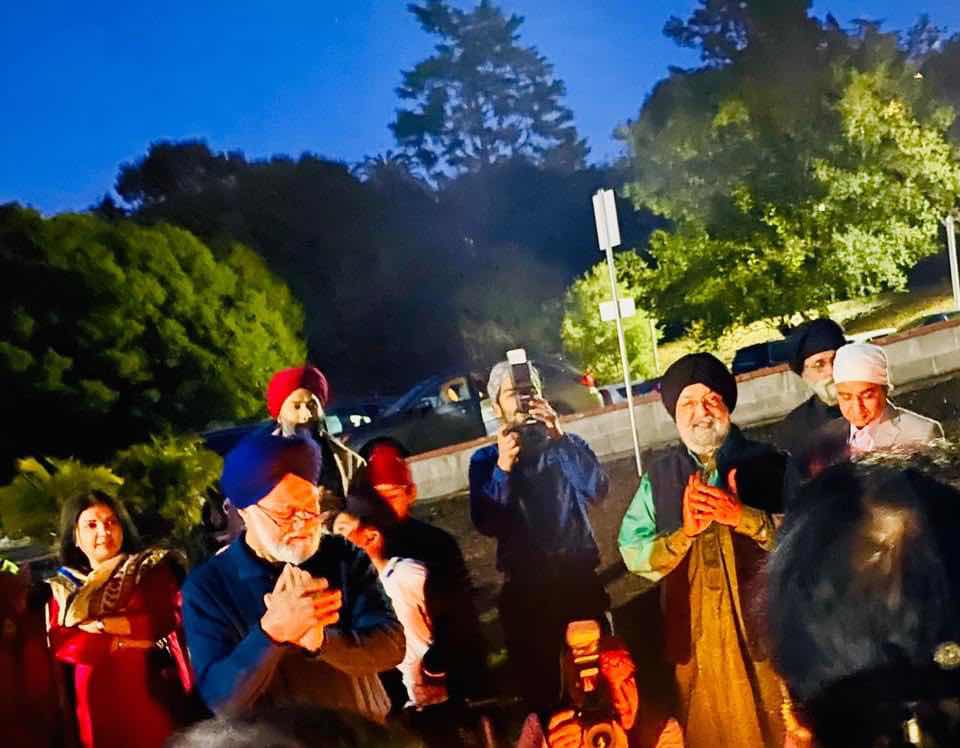
Happy Lohri 2020
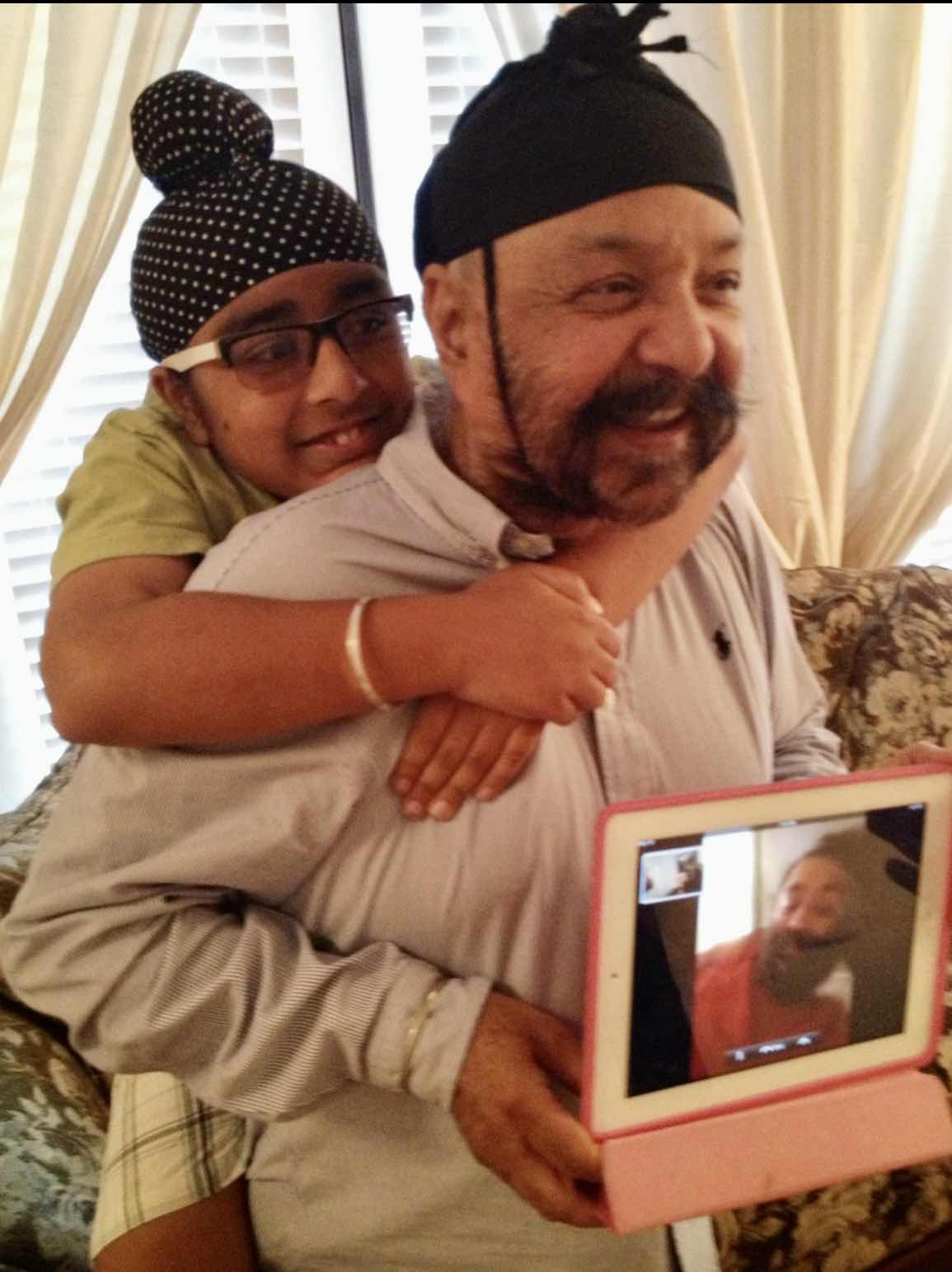
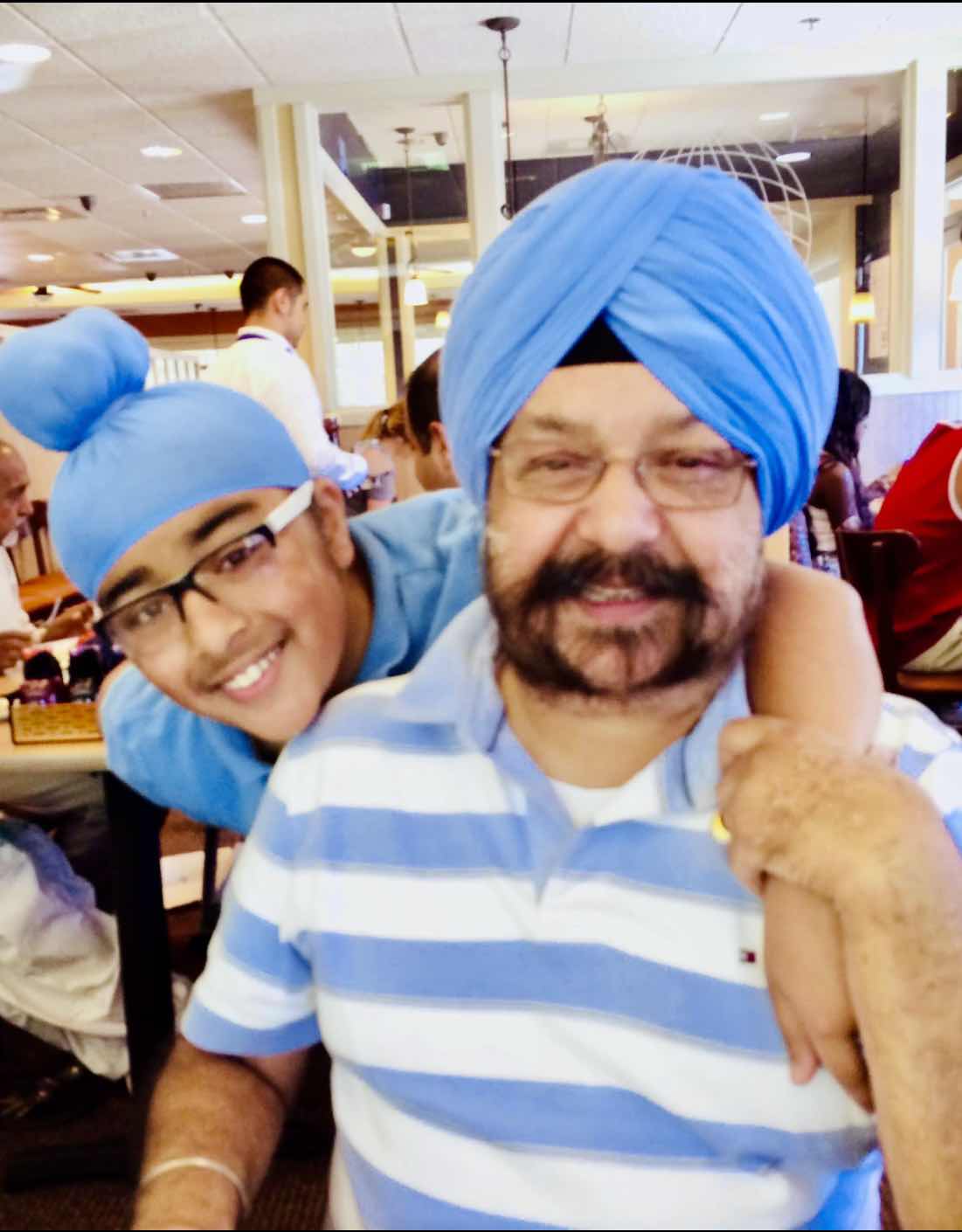
Dada Ji’s Kandbori
Gobind carrier
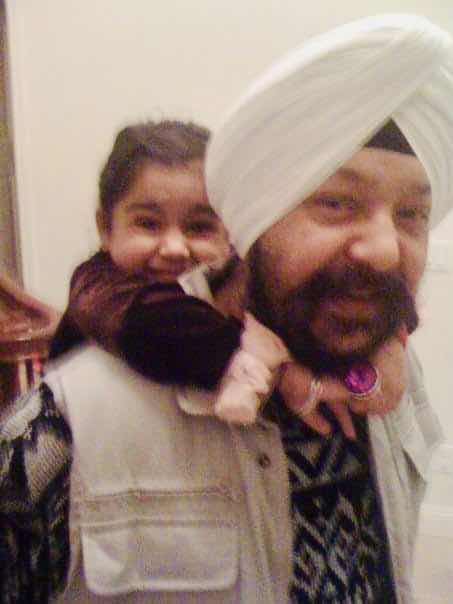
Carrying your kids on your back can indeed provide a unique and distinct experience for both parents and children. Here’s why carrying your kids on your back can be special and is called ‘Kandbori’ (meaning carrying a loaded bag on your back) in our Punjabi language. Grandparents usually take this course as it is easier and enjoy ful to both.
Gobind getting naughty
When I carried Jania
Now is the turn of Geet who is overjoyed
Love letter to my sister Bhagwant
Monday, July 13, 2020
When I was In The A.I.R.
Me:
I am your Weather Reporter Jania,
there will be thunder storm with lightening followed by intermittent showers, giving a way to bright sunshine and cool temperatures. Have a nice day at the beach!
Umesh Agnihotri:
Sounds more like a philosophical prediction about life...A Soothsayer !.!!!.....Hamara ashiirvad !
me to Umesh Agnihotri:
You may recall your days as Radio Anchor.
I remember one day you made me sit in that cute little box at Delhi Radio Station for making an Air announcement as part of your duty. You just asked me to keep shut and you made the announcement by pushing a button on the mike. Your voice was all over in the Air. A magic for me. I felt I was a hidden part of the announcement.
And I was flabbergasted and excited still I am.
Sunday, July 12, 2020
Jania as a Weather Reporter
The main front door was closed or Ardaas being done not sure and I waited on those steps in the noon time.
In those days visiting Gurdwara was a ritual for me and followed it with gusto.
And slowly and steadily, Waheguru ji instilled in me the values of Sikhism which I continue to learn and enjoying it
Saturday, July 11, 2020
Khatri by Arvind Singh
JUL
11
Gallant Khatri of Punjab - The Original Kshatriya
The Khatris of Punjab
Khatri is a group of warrior clans from the northern Indian region of Punjab. The Khatris are of Vedic descent and the only original Kshatriyas in India. Most Hindu gods were of Khatri background. Indra, the king of Hindu gods was the leader of Indo-Aryans who settled in Punjab region over 4,000 years ago. These Khatris later migrated from Punjab to Gangetic plains of Northern India during the reign of Raghu. Hindu God Rama was a descendant of Raghu. Gautama Buddha was a Kshatriya and so were the Sikh Gurus,
Disclaimer: As a practicing Sikh, I consider all castes as equal and DO NOT believe in the outdated and divisive caste system. The purpose of this blog is to honor the spiritual, military, and service contributions of the ancient Khatri warriors and try to understand their family history purely from a historical perspective
Indo-Aryan Migraton to Punjab
The Proto-Aryan culture developed on the Central Asian steppes around Kazakhstan as the Sintashta culture (2200 BCE) and developed further as the Andronovo culture (2000 BCE) around the Aral Sea. The Proto-Aryans then migrated southwards and split off around 1800 BCE into two branches. Indo-Aryans migrated into Punjab, while the Parso-Aryans moved into Iran.
Aryan Migration to Punjab and India
The dispute on the Aryan migration theory has been settled once and for all by the genetic testing - read more here from an article published in the Hindu newspaper in India. This will shut the mouths of some historians from India who were making out that Aryan migration never happened.
Indo-Aryans originally settled in ancient Bactria, west of the Hindu Kush. Around 1700 BCE they began to migrate into the northern Indus basin of Sindh and Punjab. Indo-Aryan immigrants were pastoral nomads, who were able to move into the Punjab with their cattle and horses after the collapse of the great Indus Valley Civilization. By 1500–1200 BCE their culture and language had come to dominate the entire Indus watershed, south to the confluence of the Indus and Chenab rivers; and east to the northern reaches of the Ganges. Indo-Aryans expanded into North India forming ethnolinguistic group that spoke Indo-Aryan languages of today's NW India.
Vedic Kshatriyas
Indo-Aryans arrived in Punjab with their sacred Vedic scripture - Rigveda. Being composed in an early Indo-Aryan language, the hymns post-date the Indo-Iranian separation, dated to roughly 2000 BC. After their arrival in Punjab, their ancient Indo-Aryan language was transformed into a refined written language now known as Sanskrit. In fact it was Pāṇini (Sanskrit: पाणिनि) a revered scholar from Punjab defined the Sanskrit grammar in 5th century BC.
The clans mentioned in the Rigveda are described as semi-nomadic warrior society, engaging in endemic warfare and cattle raids ("gaviṣṭi") among themselves and against their enemies, the "Dasyu", the early settlers in Punjab. Their settlements were headed by a chief (Raja, Rājan) assisted by warriors (Kshatriya) and a priestly caste (Brahmans). The ancient region of Āryāvarta or पञ्च जना (Páñca Jánāḥ) of 1700-1500 BCE roughly corresponds with Punjab regions.
Ancient Kshatriya Warrior on Chariot
The Battle of the Ten Kings (Sanskrit: दाशराज्ञ युद्ध,) is a battle described in Rigveda (Book 7, hymns 18, 33 and 83.4–8). The battle took place during the mid Rigvedic period, near the Ravi River in Punjab. It was a battle between Sudasa, the king of Indo-Aryan clan Tritsu-Bharata against the confederation of ten other Indo-Aryan kings. Bharata is a Vedic Indo-Aryan clan mentioned in the Rigveda, especially in Mandala 3 advised by legendary sage Vishvamitra.
Khatri clans ruled most of North India for almost 2,000 years enforcing their Vedic culture to the deep jungles of South India. Saraswat Brahmins from the banks of Saraswati river from Punjab, Norther India were placed in South to propagate the new religion. Their influence shaped the Hindu religion as it is seen across India,
Decline of Khatri Power
The influence of Khatri clans declined after the epic battle of Mahabharata (827 BCE). The Khatris of Punjab and NW Frontiers fought on the sie of Kaurava and lost. Later the invasions by Persian King Cyrus the Great in 535 BCE further dented the Khatri powerhouse. The Greek invasion by Alexander the Great in 320 BCE further depleted the Khatri power in Punjab. Arrival of Kushans in 100 BC and them being recognized as Kshatriya gave them some reprieve and they ruled from Bactria to Mathura. After the decline of Kushan empire, Punjab saw the arrival of another warrior like tribe who were also accommodated as the "Sons of Kshattriys" or Rajputs.
The valiant Khatri lost the political power but established business power in Punjab as the clans turned to various businesses. Even today, some of the most successful businesses in India are owned by Punjabi Khatris - Nandas of Escort, Munjals of Hero Enterprise, Appolo Tyres, Mohan Meakins Brewery, Oberoi Hotels, etc.
Khatri Groups
Khatri clans in Punjab are divided into several categories and sub-categories:
Vedic Khatri consisting of clans from the earliest Indo-Aryans and their ancestry can be traced back to the Kshatriya clans mentioned in Vedas and Mahabharata. The clans included in this group are Bedi, Bhalla, Behl, Kakkar, Trehan, Sodhi, Alagh, Puri, Wahi, etc.
Dhai Ghar consisting of three Khatri clans - Kapur, Khanna and Malhotra/Mehrotra/Mehra (three is considered unlucky number in India)
Char Ghar consisting of four Khatri clans including the three from Dhai Ghar and adding one more - Seth
Barah Ghar adding eight more clans to the Char Ghar makes the twelve clans for this group - Chopra, Dhavan, Mahendru, Sehgal, Talwar, Tandon, Vohra and Wadhawan.
Kukhrian Khatri are the descendants of the ancient Kushans (Kushan -> Kushran -> Kukhran) from the Rawalpindi/Puthohar region of West Punjab. The Kushans were accepted by the Brahminical system as Kshatriya when they settled in the region after Khatri clans were defeated by Parshurams, the King of Persia. This distinct group of Khatri marry within the group. The clans included in this group are Anand, Bhasin, Chadha, Chandhok/Ghandhoke, Ghai/Kahai, Kohli, Sabharwal, Saawhney/Sahni, Sethi, and Suri.
Sareen makes a group of Khatri clans from Syr basin in Afghanistan including Sarins and Tandon
Bavinja Ghar consisting of the remaining 52 clans of Khatris
Khatri Last Names
This list is incomplete but I intend to add more based on the progress of my research:
Alagh - ancient Alina or Alan clan from Persia region who settled in Nuristan as mentioned in Rig Veda (7.18.7)
Anand - one of the 5 clans mentioned in the Rigveda (RV 1.108.8, RV 8.10.5) as Anu with Ānava in the Battle of the Ten Kings (7.18.13)
Bakshi -Not a clan but a title given to the revenue collectors of Maharaja Ranjit Singh
Bhasin - Kukhrain Khatri clans derived from Sanskrit word bhāsin meaning the ‘sun’. There is also a village named Bhasa in Kohistan, NW Frontier which is the location of Diamer Basha Dam
Bindra
Bedi - ancient Vedic clan of Kshatriya with the name suggesting the link to the Vedic period. Guru Nanak, the first Guru of the Sikhs was born in this clan. Bichitra Natak attributed to to Guru Gobind Singh refers to the Bedi clan as descendant of Hindi God Rama's son Kusha
Bahl or Behl - Khatri clan from the Bahlika (Balkh) region of Afghanistan
Beri or Bheri - Khatri clan originating fron Bhera, West pakistan
Bhalla - ancient Bhalana clan mentioned in Rigveda and the Dasarajna battle. Bolan Pass derives its name from the Bhalanas.
Bhandari - Not a clan but a title given to the quartermasters of Sikh Army for ammunition and supplies
Chadha - ancient Indo-Aryan clan mentioned in Rigveda as Cheddi
Chandhok or Chandihok - Kukhrain Khatri clan named after its ancestor Chandi
Chatrath - Vedic Indo-Aryan warrior clan commanding a group four chariots (Rath)
Chopra - Khatri clans originating from Chaupada (Four Pillars) in West Punjab
Chhatwal
Dutta
Dhawan - Khatri clan possibly originating from Dhawa, NW Frontier
Duggal - Khatri clan with origin from Duggal village in Toba Tek Singh District, West Punjab
Ghai or Kahai - Kukhrain Khatri clan originating from Kahai region of NW Frontier
Gujral - Khatri clan from Gojra, West Punjab
Johar
Jolly
Jaidka
Kakkar - Khatri clan from the Kaikey region of Punjab
Kandhari - ancient Kshatriya clan from Gandhara, NW Frontier as mentioned in Mahabharata
Kapoor - Khatri clan belonging to the Dhai Ghar group
Khanna - Khatri clan belonging to the Dhai Ghar group originating from Khand region of Lahore
Kohli - Kukhrain Khatri clan originating from the Kohat region of NW Frontier
Kocchar or Kucchar- Khatri clan originating from Kuchh, Mianwali, West Punjab
Lamba
Madhok - - Khatri clan named after its ancestor Madho
Malhotra - Khatri clans from the Malh region also referred to as Malloi by the Greeks
Mahindru - Khatri clan mentioned in Rigveda as Mahīna belonging to 12 Ghar (Bahri)
Mehra or Mehrotra - Khatri clan of Dhai Ghar group (suffix -otra signifyig the northern branch) with possible links to Mehrgarh in Blochistan and Mehar Taluka in Larkana, Sindh
Mehta - Not a clan but a title given to someone who took the profession of an accountant or revenue officer
Makkar - ancient Khatri clan with origin from Maka kingdom and Makran redion of Balochista. Its Khatri warriors chased Alexander's army out of India all they to Susa, Ira,
Nanda - Khatri clan related to survivors of the ancient Nanda dynasty of Magadha
Nayyar
Oberoi or Uberot- Khatri clan found in Sindh/Punjab with connections to Thatta Ubhi, Sargodha
Panjrath - Vedic Indo-Aryan warrior clan commanding group of five chariots (Rath)
Puri - ancient Vedic clan mentioned as Puru in Vedas and Mahabharata. King Porus of the Puru or Paurava clan defeated Alexander in the Battle of Hydaspes forcing him to exit from India.
Sarna - ancient Indo-Aryan clan Srñjaya as mentioned in Rigveda
Sabharwal - Khatri clan originating from the ancient kingdom of Sauvira in SW Punjab
Sahni - Kukhrain Khatri or Kushana clan originating from Sahn region in NW Frontier
Sarin - Khatri clan belonging to the Sarin group with connections to Indo-Aryan settlement on the banks of Syr river.
Sehgal - Khatri clan from the ancient Sagala kingdom near Sialkot, West Punjab
Selhi - subgroup originally from Sodhi clan who received the "Selhi" cap of Guru Arjan Dev
Seth - Khatri clan with name originating from Sanskrit term Shrestha meaning the nobles of the city
Sethi - Kukhrain Khatri clan with name meaning Shrestha, the nobles of the city in sanskrit
Sibal - Khatri clan originating from ancient Sivi or Sibi kingdom as mentioned by Greek chronicles
Sodhi - ancient Khatri clan from the Vedic period with ancestry link with Rama's son Lava
Soin - Khatri clan with connections to Soinwari, NW Frontier
Soni or Sondhi - Khatri clan with potential link to Adda Sondh inToba Tek Singh District
Sud or Sood - One of the oldest Khatri clan from Vedic period - descendants of King Sudasa
Suri - Suryavanshi clan of Indo-Aryans belonging to Kukhrain Khatri group
Sikka
Talwar - Khatri clan with origins in Talwara near Lahore and Talwara, Hoshiarpur
Tandon - Khatri clan belonging to the Sarin group
Thapar - Khatri clan with connections to Basti Thapar, West Punjab
Tuli - Khatri clan from Lahore region
Trehan - descendants of the ancient Vedic Indo-Aryan clan mentioned as Tritsu in Rigveda
Uppal - Khatri clan from Gujranwala District, West Punjab. Famous Sikh warrior Hari Singh Nalwa belonged to this clan.
Wahi - Khatri clan from the Wah region near Rawalpindi
Famous Khatri personalities
The Khatri or Kshatriyas of Punjab were the fore bearers of Vedic culture and the key power house responsible for the adoption of Vedic culture and religion by the rest of the India. Here are some of the famous Khatris from historical perspective:
Sudasa - Indo-Aryan King who defeated other tribes and conquered Punjab (Sood)
Ikshavaku - Indo-Aryan King who expanded Vedic kingdom to North India
Raghu - Indo-Aryan King who expanded his kingdom to Eastern UP
Kaikeyi - Queen of Raja Dashratha (Kakkar)
Takshak - Decsndent of Kaurava who established Taxila (Taksha-Shila)
Bharata - Several individuals with this name - Bharata, the King of Panch Janya (Bharat Varsha)
Gandhari - Queen of Raja Dhritrashtra (Kandhari)
Shakuni- Brother of Gandhari was the mastermind behind the Kurukshetra War
Madri - Queen of Raja Pandu (Madan)
Shalya - Brother of Madri but fought mahabharata fro the side of Kaurava
Jayadratha - the King of Sindh and Multan fought Mahabharata from Kaurava side
Porus or Puru - Puri Khatri who defeated Alexander the Great at the battle of Hydaspes
Kanishka - Kushan (Kukhran) emperor (127–150 CE) ruled from Bactria to the Gangetic plain
Guru Nanak - the first Guru of the Sikhs (Bedi Khatri)
Guru Angad - the second Guru of the Sikhs (Trehan Khatri)
Guru Amardas - the third Guru of the Sikhs (Bhalla Khatri)
Guru Ramdas, Guru Arjan Dev, Guru Hargobind Rai, Guru Har Rai, Guru Harkrishan Rai, Guru Teg Bahadur, and Guru Gobind Singh - All from Sodhi Khatri
Bhai Mani Singh - Sikh scholar executed by Mughals for scribing Sri Guru Granth Sahib
Diwan Mohkam Chand - Commander of the Khalsa army (Nayyar Khatri)
Diwan Sawanmal - Commander of the Khalsa army (Chopra Khatri)
Diwan Moolraj - Sikh Governor of Multan (Chopra Khatri
Sardar Hari Singh Nalwa - Sikh general expanded Sikh empire to Khyber Pass (Uppal Khatri)
Sardar Mihan Singh - Governor of Kashmir from Qila Mihan Singh
Master Tara Singh - Freedom fighter and leader of Akali Dal (Malhotra Khatri)
Film Personalities - Prithviraj Kapoor, Balraj Sahni, Dev Anand, Raj Kapoor, Prem Nath, Shammi Kapoor, Shashi Kapoor, Yash Chopra, BR Chopra, Yash Johar, Anand Bakshi, FC Mehra, Prakash Mehra, Prem Chopra, Om Prakash, Rajinder Kumar. Jeetendra, Vinod Khanna, Vinod Mehra, Kabir Bedi, Rakesh Roshan, Amitabh Bachhan (s/o Teji Suri), Ranjit, IS Johar, Madan Puri, Amrish Puri, Om Puri, Karishma Kapoor, Anil Kapoor, Raveena Tandon, Kareena Kapoor, Hritic Roshan, Ranvir Singh, Ranbir Kapoor, Sonam Kapoor, Karan Johar, and so on.
Sant Singh Chhatwal - Business man and Hotelier, New York
Yogi Bhajan - Founder of 3HO - American Sikh Organization (Harbhajan Singh Puri)
Gurbax Singh - Hockey Player and Olympic Gold Medalist
Bishan Singh Bedi - Cricketer
Abhinav Bindra - Olymoc Gold Medalist in Shooting
IK Gujral - Prime Minister of India
Manmohan Singh - Prime Minister of India
Shikhar Dhawan - Cricketer
Virat Kohli - Captain, Indian Cricket
(This list is incomplete)
References
https://en.wikipedia.org/wiki/Khatri
https://en.wikipedia.org/wiki/List_of_Rigvedic_tribes
https://en.wikipedia.org/wiki/List_of_ancient_Indo-Aryan_peoples_and_tribes
https://en.wikipedia.org/wiki/Indo-Aryan_peoples
https://en.wikipedia.org/wiki/Indo-Aryan_migration
https://en.wikipedia.org/wiki/Kshatriya
https://www.britannica.com/topic/Kshatriya
https://scroll.in/article/936872/two-new-genetic-studies-upheld-aryan-migration-theory-so-why-did-indian-media-report-the-opposite
https://www.thehindu.com/society/history-and-culture/theres-no-confusion-the-new-reports-clearly-confirm-arya-migration-into-india/article29409611.ece
https://www.peopleofar.com/2018/09/16/new-dna-study-supports-an-armenian-origin-of-the-indo-europeans/
Posted 46 minutes ago by Unknown
Labels: Indo-Aryans Khari Kshatriya
Thursday, July 9, 2020
Best Advice
*1.* _Take risks in your life. If you win, you can lead; if you lose, you can guide._
*2.* _People are not what they say but what they do; so judge them not from their words but from their actions._
*3.* _When someone hurts you, don't feel bad because it's a law of nature that the tree that bears the sweetest fruits gets maximum number of stones._
*4.* _Take whatever you can from your life because when life starts taking from you, it takes even your last breath._
*5.* _In this world, people will always throw stones on the path of your success. It depends on what you make from them - a wall or a bridge._
*6.* _Challenges make life interesting; overcoming them make life meaningful._
*7.* _There is no joy in victory without running the risk of defeat._
*8.* _A path without obstacles leads nowhere._
*9.* _Past is a nice place to visit but certainly not a good place to stay._
*10.* _You can't have a better tomorrow if you are thinking about yesterday all the time._
*11.* _If what you did yesterday still looks big to you, then you haven't done much today._
*12.* _If you don't build your dreams, someone else will hire you to build theirs._
*13.* _If you don't climb the mountain; you can't view the plain._
*14.* _Don't leave it idle - use your brain._
*15.* _You are not paid for having brain, you are only rewarded for using it intelligently._
*16.* _It is not what you don't have that limits you; it is what you have but don't know how to use._
*17.* _What you fail to learn might teach you a lesson._
*18.* _The difference between a corrupt person and an honest person is: The corrupt person has a price while the honest person has a value._
*19.* _If you succeed in cheating someone, don't think that the person is a fool...... Realize that the person trusted you much more than you deserved._
*20.* _Honesty is an expensive gift; don't expect it from cheap people._
*This is very interesting post and I want everyone to benefit.*
Wednesday, July 8, 2020
My Story: Preet Mohan Singh
ਸਤਿਗੁਰ ਕੀ ਐਸੀ ਵਡਿਆਈ ॥
ਪੁਤ੍ਰ ਕਲਤ੍ਰ ਵਿਚੇ ਗਤਿ ਪਾਈ ॥
Such is the Glory of the True Guru;
In the midst of children and spouses, they attain emancipation. ||2||
S. Preet Mohan Singh Kapoor is a serial entrepreneur based in California.
Preet Mohan Singh was born in 1944 at Multan, British INDIA. His father late S. Vas Dev Singh retired as Superintendent District and Session Courts at Karnal Haryana while his mother late Sardarni Savitri Devi was a home maker and took care of him and his four sisters who were trained as teachers. He spent his early childhood at Panipat. After doing schooling from Sanatan Dharam High School, he joined Arya College Panipat for Intermediate Science. He went to Chandigarh College of Engineering and Technology and did his Diploma in Electrical Engineering in 1964 and pursued his AMIE. He did advanced courses of Computers in Power System Monitoring and Control at IIT Kanpur in 1979, Project Management Indian Institute of Public Administration in 1984, Project Implementation Monitoring & Evaluation at IIT Delhi in 1987 and Power System Protection & Instrumentation at PSTI Bangalore.
Vastly experienced in Power and IT industries, he successfully worked on Hydro Electric Designs and Hydel Power Project at Trisuli, Nepal. He developed Power Systems Planning for 4th and 5th Five-Year-Plans for the states of Andhra Pradesh, Karnataka, Goa and Union Territories of Chandigarh, Dadra, Div, Nagar & Haveli, as Deputy Director, Ministry of Energy, Government of India.
In 1991, the family decided to move to USA. They migrated to the San Francisco Bay Area, having struggled to get a job, he along with his wife Harvinder Kapoor started a Convinient & Liquor Store. In 1993 he co-founded a Computer parts trading incorporation Advanced Micro Supplies Inc. Visualizing a future global trend in Software Services, he along with his wife Harvinder Kapoor, founded another corporation AMS Informatix Inc. They did pioneering work to bring 250 top notch software engineers from UK, Singapore and India to USA for providing IT consulting services during the millennium period to Fortune 500 Companies all over the country. The hallmark achievement of the company was to undertake full IT migration work for the sixth largest Bank (Fleet) in USA, a project that lasted multiple years.
Having an impeccable record for successful investments in the real estate in India and USA (California, Hawai and Florida), he explored his Private Equity business by investing at early stages in Reddy Steel and Pipe Mills at Hyderabad, and US-based successful companies such as Infinera Inc, Legal Zoom, EnhanceScope, and Benefit Street etc to acquire major milestones. Leading the QGS Pvt Ltd, New Delhi India, helped the company to impart Computer Managed Training Services to 30,000 students below Power Line in the recent Past in Uttarakhand, Chhattisgarh, Orissa and West Bengal states in India.
Service
As is relevant with so many Immigrant groups, Sikhs were concerned about the loss of their culture and language among young people. But Preet Mohan Singh chose to do something about it. He, with help from his business partner Bhupinder Singh, digitized the Sri Guru Granth Sahib - the central religious scripture of the Sikhs, so its contents in English text could reach to non- Punjabi speaking world both in India and here in the Western World. This was a first of its kind CD-ROM.
There was serendipity in this idea and Preet Mohan Singh humbly accepted the responsibility of being the 9th direct descendent of illustrious Poet Laureate Bhai Nand Lal Goya who was a devout disciple in the court of Guru Gobind Singh ji.
A total of 15000 pages were included in the CD-Rom, including: Transliteration of Sri Guru Granth Sahib in English as published in the book written by a panel headed by Professor Gurbachan Singh Talib of Punjabi University Patiala, Major date wise events in Sikh history, Sikh Guru Lives as written by Prof Puran Singh in his book ‘Ten Masters’, Excerpts of Quotations from SGGS, 31 Ragas and pictures of Major Gurdwara’s of the World. Such momentous and gigantic information for the first time squeezed in one CD simply exhilarated one and all.
His Prodigy son Shivpreet Singh pursuing his double Major from U/C Berkeley in Molecular Cell Biology and Western Music, first time ever in the history converted all the 31 Ragas included in the SGGS into MIDI format so as to make it possible to reach millions of listeners around the world was included in the CD ROM.
Hailed by San Jose Mercury News, ‘A Doctrine goes DIGITAL,’ this momentous work of digitizing Sri Guru Granth sahib was highly circulated globally by premium newspapers of the world. A comprehensive full-page article on the ‘Living Cover’ of Mercury News paper was published on September 9, 1995. Dr. R P Goldman Chairman, Center for South Asian Studies, University of California, Berkeley remarked about this project: "A labor of love has resulted in a product that will be of interest and value to all students of Sikhism and comparative religions."
This was a great step that inspired several new translation, transliteration, and transcription projects around the world both for Sikhs and non-Sikhs. These monumental works opened floodgates of information available instantly at one place to get access to classical texts in a language that people could understand and pass on to the next generation of humanity.
On personal front, Preet Mohan Singh lives with his wife Harvinder Kaur, his son Shivpreet Singh, his daughter-in-law Dashminder Kaur, and his three grandchildren, Gobind Singh, Jania Kaur and Geet Kaur in San Ramon, California USA. His wife has always been by his side through his adventures with work, family and service to the community. In many ways, he has inspired his son who is steeped in Gurbani and is also a biotechnology executive, and his daughter-in-law, who is a leader in the software field. He continues to pass on the legacy of Guru Nanak’s ideals of work and worship to his grandchildren.
Service to the community along with prayers can and must be done while being fully involved with family and work. This is the message of Guru Nanak, that has been passed on through generations. Preet Mohan Singh Kapoor is living the dream of work and worship set up by the Gurus.
Sunday, July 5, 2020
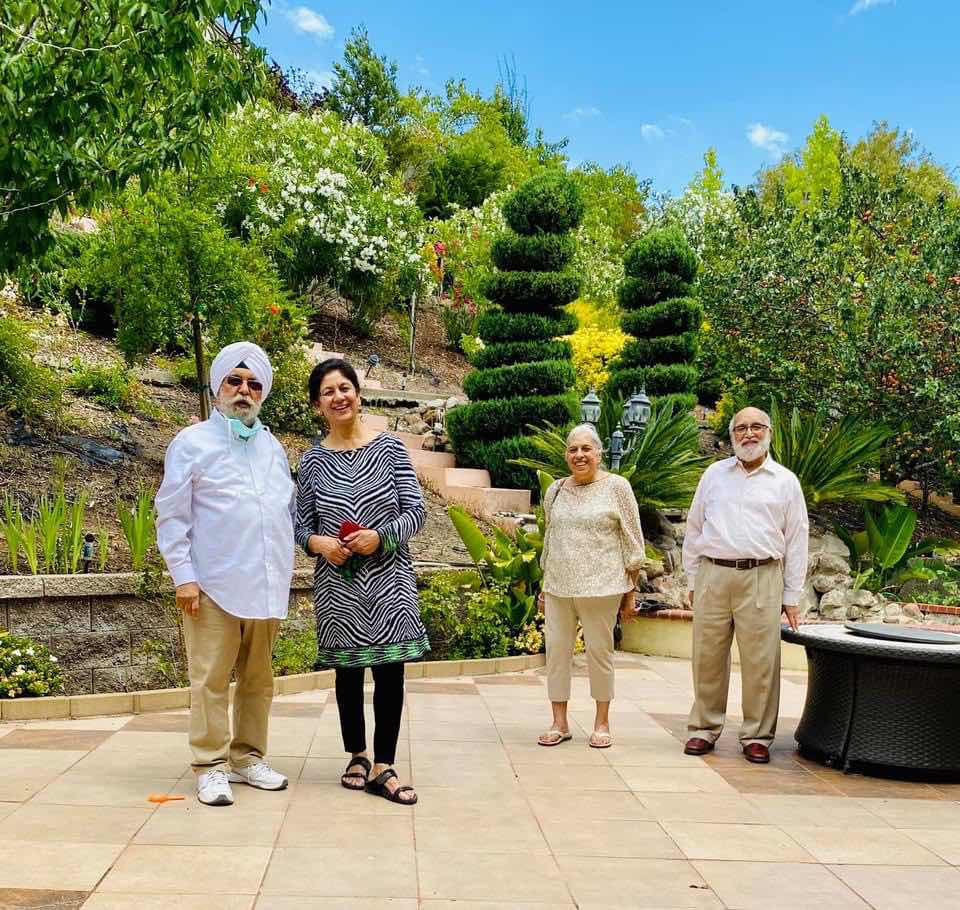
When Moon Glitters in our Back yard 2020
Thursday, July 2, 2020
Babar vani by Dr Pashaura Singh
https://res.mdpi.com/d_attachment/religions/religions-11-00328/article_deploy/religions-11-00328.pdf
https://www.mdpi.com/2077-1444/11/7/328/htm
Tuesday, June 30, 2020
Bhai Nand Lal Goya
Despite being a minister in Mughal administration throughout his life he breathed and lived true Sikhism, not stealthily but openly that too at a time when the faith was at sharp odds with the state . He was in the rush of the 'world, yet detached from it, like a lotus whose stem remains immersed in the mire yet it maintains its sanctity and immaculateness or like a water bird whose feathers remain dry when it swims. Son of a devoted Hindu, Bhai Nandlal was a Persian poet who was fortunate to be under the tutelage of Guru Gobind Singh himself and thus he, understood the religion to its finer details Nandlal Goya exudes ' humility and owes his eminence to Guru 1
Who am I ? Just a particle of dust.
My present status is just a blessing of my Guru .
Getting overwhelmed with his love for his Guru he says :
Oh wind ! Do not disturb me a particle lying at the door of my mentor!
Or else I will defame you that you, cruel , do not spare any site.
Lal or Goya (his nick names), was gem of the 52 strong galaxy of ' poets at the feet of the Guru. His Persian, and Punjabi poetry now serves an authentic source of Sikh history and religion . Nandlal was witness to the bestowing of guruship on the collective body of the Khalsa and the Granth Sahib . RAJIV ARORA and G.S.BRAR adopt this piece from the works of Dr. Ganda Singh for Punjab Monitor which is dedicated to this jewel who symbolises the unity of Punjabis ,the Muslims , Hindus and the Sikhs.
Nothing definite is known about the original area of Bhai Nandlal from where their forbears came . However the way Bhai Nandlal sought shelter from Guru Gobind Singh at the time of crisis shows that his family had old links with the Sikh Gurus .
Nandlal's father Chhajju Mall appear to be a scholar of Persian and Arabic . Highly perceptive wisdom, personal Qualifications and ability were the only factors which could help a non Muslim to rise to some honourable position in the Mughal government of the day . Chhajju Mal was a 'munshi' in the court of emperor Shah Jehan and had close links with prince Dara Shikoh who himself had scholastic predilection and had high regards for Hindu intellectuals.
When the Emperor deputed the Prince to Kandhar campaign of 1636 AD, he took Chhajju Mal with him . At Kandhar, Chhajju was appointed on the post of 'Munshi' i.e. minister with the charge of such departments as revenue , administration and military affairs and stayed there till his death in 1652 AD .
Strange are the ways of God. Chhajju had no child till age of 50. Thus in the evening of Chhajju's career, was born Nandlal and nothing definite is known about his date of birth. lt is however obvious that Nandlal was imparted the best education in Persian as is evident from his compositions .
Dewan Chhajju Mal was the follower of Vaishnav sect . On the other hand it appears Nandlal was influenced by the teachings of Sikh Guru right from the impressionable years of his childhood. Evidences are available as to the existence of Sikh dharamshalas or the gurudwaras in Kabul , Gazni and Kandhar .
According to the author of Dabistan e Mazahib (1650 AD) there was hardly any city in the north lndia and Afghanistan which had no gurudwara . Whole of international trade of horses from Afghanistan and lraq was in the hands of Sikhs. (ln the Sept. .97 issue of Punjab Monitor we published an article " Punjabi Colony in Astrakhan" giving ample evidences how the Sikh merchants were settled in west places as far as Baku and Astrakhan ) According to a family legend when young Nandlal was to be initiated to the Vaishnav sect he refused to wear the rosary around his neck . Nandlal was about 16 years old when his mother passed away . After two years his father also expired .
According to a legend, Nandlal tried to secure the post of his father but by that time , Dara Shikoh who was kind to Chhajju Mal had left Gazni . The new ruler was not aware of the intellect of Nandlal and offered only a humble post of a clerk in the administration , Nandlal declined the offer which was not according to his cerebral status and dignity especially at a place where his father had served as a chief minister . Nandlal who had two younger brothers also to support felt that he had no backing in Gazni and that it was better for him to leave for Hindustan , as it would not have been possible for him to maintain the rich family traditions .
Dewan Chhajju Mal had otherwise left behind a fortune for family in the form of movable and immovable property. Nandlal converted the whole property into liquid cash and left the city of Gazni along with his brothers and two Afghan servants for Multan. For centuries then Multan was considered one of the most prominent cities of lndia . lmportance of Multan was not only in view of its importance as religious and political centre but it was an important commercial centre in the whole of Afghanistan, lndia lran and Bilochistan . Merchants of Punjab and Delhi would keep camping in the city .
Afghan servants of Nandlal addressed their employer as 'Agha' (Akah). Slowly 'Agha' became the key word for Nandlal for the inhabitants of Multan . Thus the locality where Nandlal had his house came to be Known as Agha Mohalla which exists even today .
Intellect and integrity of Nandlal became known in the city and he was appointed as the Munshi in the Multan state by Nawab Wassaf Khan . Nawab had acquaintance of the father of Nandlal. Through his performance Bhai ji rose to the post of 'mir munshi' the Finance Minister . Later he was appointed as the garrison incharge and general of Bhakkar . There after he was appointed as the governor of Dina Kehrorh, Fatehpur and district Mohiuddinpur. The Highest post which Bhai sahib held in Multan was that of Naib Subedar i.e. Deputy Governor .
According to Lala Parmanand 'Dastrul lnsha' a composition of the Bhai sahib throws ample light on the sharp military acumen of Bhai sahib . A robber named Shahu had gathered a huge army at Sultan Sarvar hill pass creating chaos with his 7000 men Munshi Nandlal was deputed to capture his highway men . Shahu was Vanquished with heavy casualties on his army . This is just one instance of the fortitude and presence of mind of Bhai Nandlal . ln this way Bhai sahib continued to serve the Multan state for 30 years perseveringly and relentlessly . He had an opportunity to serve Prince Salim and Mohd Akbar (1678-79).
Bhai Nandlal was yet to see a major change in hiS already illustrious career. When Emperor ascended the throne of Delhi Bhai Nandlal's services were terminated Bhai Nandlal's allegiance to Dara Shikoh who had lost ' to Aurangzeb in the war of succession was believed to be the reason of this termination . Bhai Sahib made well concerted efforts for his reinstatement but in vain.
Bhai Nandlal during these years of seclusion devoted his time to study Sikh scriptures . ln those days Gobind was the Guru of the Sikhs. Guru's fame for his able administration height of scholarly pursuits , and other skills had spread far and wide . The Sikhs were getting highly organised under his guruship which was a source of worry for the Mughal empire. Nandlal had on the other hand had an innate desire to see the Guru . After making adequate arrangements for his children he left Multan to reach Lahore. After a short sojourn at Lahore he reached Amritsar and then left for Anandpur (Makhowal) where Gobind Singh ji was stationed . Thus the wandering and meandering Nandlal managed to get the shelter of the lord himself and when the Guru blessed him, his whole life experienced a sudden transformation . He shouted :
Chun za shehrag hasat shah nazdik tar Chun basehre mirvi ai be-khabar
(That true lord is nearer than your own windpipe and fool you are searching him in the forests.)
and expressing his sympathy with the seekers who have abandoned their everything :
Badshahan salatnat be guzanshatand Chu gadayan ku baku bishtaftand .
(The emperors have abdicated their empires Like beggars they are roaming about.)
and suggested the seekers ; lf you chance to get an usher - era guide
You will feel the whole thing is inside you itself.
After staying with Guru Gobind Singh Bhai Nandlal left for Agra and was able to secure a job for him under Prince Muazzam (later Bahadurshah) . lt is likely that lt might have been when Muazzam was released from his detention in the year 1695 AD and he was made governor of Agra .
But strange are the ways of nature. lt is said Emperor Aurangzeb once sought an interpretation of a particular stanza of Quran but the galaxy of scholars present could not satisfy the Emperor . Later Muazzam asked the same question from Nandlal who gave a satisfactory explanation of the particular stanza . The prince conveyed the meaning to Emperor who was surprised to know that a kafir -a Hindu better understood the Quran and desired that such a scholar was converted to lslam. Bhai Nandlal was able to know the intentions of the Emperor and thus decided to leave for Anandpur again . Bhaisahib reached Lahore and there he learnt Giassudin who was his junior at Agra and was on a leave for one month . Bhai Sahib left Lahore with Daroga Giasudin for Anandpur sahib . After some days Giassudin returned to Lahore but Bhai sahib stayed behind .
ln history as we know, Guru Gobind Singh is not only known for his spiritual and military pursuits, He was also an eminent spiritual poet and a great scholar and was a patron of art and literature of his times . ln those days Anandpur, had the distinction of having so many poets and litterateurs. There were 52 court poets of Guru Sahib who wrote in the Punjabi, Brijbhash and Persian. This apart the Guru translated many classics of other languages into Punjabi . Keeping in view the tense relations with the state when many of family members were assassinated by the government and the Guru had himself faced many military actions, it is surprising that Guru sahib could continue such literary activities despite the tough times . Not only this he was able to found the Khalsa to ignite the sense of freedom among the downtrodden and caste ridden people . As earlier mentioned Bhai Nandlal was fond of writing poetry from his childhood; His stay at Anandpur was thus a complete transformation of Nandlal's poems when it took the turn towards spiritualism. Such a metamorphosis took place that Bhai was now a completely changed man . His poetry had now got a direction . Under the tutelage of Guru, Bhaiji felt enlightened .
Bhai Nandlal presented his first book of poetry 'Bandginama' at the feet of Guru Gobind Singh . Guru Sahib allowed Nandlal to recite his poetry before the audience in the evening and the whole congregation spontaneously shouted ' Oh great'. ln the end Guru sahib had all praises for the intellect and art of Bhai and suggested that the work be called 'Zindaginama ' instead of Bandginama .
Guru sahib wished to appoint Bhai sahib on the post of Dewan (minister ) but Bhai sahib preferred service in the kitchen . As Bhai sahib had been staying at Anandpur for a considerable time Guru sahib expressed concern for the family of Bhai Nandlal and offered that he could promulgate hukamnama (orders) to the sangats in and around Multan to send offerings at Bhai's house. Nandlal quipped; "Nay my lord I have already made adequate arrangements for them. You kindly bless them that they earn their living themselves so that they do not remain idle and rather save them from any parasitic life ". Guru sahib was highly pleased at the reply of Bhai Narrdlal and said, "Nandlal you are great ." Bhai sahibs descendents are now living in various cities enjoying honourable life styles.
Guru Gobind Singh as we have written had bestowed Bhai Nandlal with the 'Naam' and his grace. With the undersianding of the concept of 'Naam' i.e. how the Almighty was administering the whole universal system and what is life etc. Bhai sahib was often deputed to lead the congregational discourses and explain the sangat of the concept of 'Naam' the praises and how they (people) were supposed to bow before the will of Almighty (Hukam rajai chalna: Bhana Manan and ) would thus remove the misunderstandings and wrong notions of the sangat. Even today he is the second Sikh whose compositions are allowed to be recited in the gurudwaras after Bhai Gurdas.
After Bhai sahib was initiated into Sikhism by Guru Gobind Singh ji his became a devotional poetry. We find a boundless respect and dedication to the Guru in his poetry ; a height of humility:
Lal sage gulam Guru Gobind Singh
Dagdare nam Guru Gobind Singh
(Branded with the name Guru Gobind Singh)
Kamtrin che sagan Guru Gobind Singh
Reza chine khan Guru Gobinci Srngh
(No ! I am even lower than the dogs at rhe door of Guru Gobind Singh as I eat the remains left by Guru Gobind Singh)
Bhai sahib stayed at Anandpur till Dec. 1705 AD and was parted from Guru sahib at the time of invasion of Hindu Rajas of the Hills which were supported by the Mughal armies. History is not clear where Nandlal stayed there after. When Emperor Aurangzeb died in 1707 AD, Prince Muazzam, the erstwhile employer of Nandlal, ascended Delhi throne under the title of Bahadur Shah and Bhai ji once again joined his services. References are available that when the war of succession among the princes was going on Bhai Nandlal requested Guru's help on behalf of Bahadur Shah. On winning the war Bahadur Shah invited Guru Sahib in his court to honour him, The Emperor presented Guru sahib a Rs. 60,000, Jarhau dhukhdhukhi (an ornament on chest), kalgi (crown) and a siropa (robe of honour).
It was further proclaimed that Guru was a religious leader and it was not necessary to put on these honours on his person and that, Guru's servant could carry them. To many it appeared strange as the Mughals had martyred the V Nanak and lX Nanak besides the family including two infant sons of Guru Gobind Singh.
Since 'naam' had been bestowed on Bhai Nandlal he wrote: It is against the tenets of our religion to have enmity with any one. Our religion is to keep our heart as clean and transparent as a glass. There are again references available that Bhai Sahib was with the Emperor when he marched on to Deccan, When he returned to Punjab in 1710 AD, Bhai sahib was again accompanying him. The Emperor died in Lahore and Bhai sahib left for Multan there after and spent the last days of his distinguished career at Multan itself. Lala Permanand Arora ;a biographer of Bhai Sahib believes that Bhai Nandlal was alive till 1713 as some letters are available which have reference of Emperor Farrukhsiyar.
On his retirement Bhai sahib founded a school which continued to function under the supervision of his successors till 1849A.D. Here in Multan Bhai sahib breathed his last to immerse into that Formless Nirankar for ever to transcend this birth and rebirth system.
WORKS OF BHAI NANDLAL
As is apparent from the style of writing, most of the works of Bhai sahib were completed during his stay with Guru sahib. Works written under the tutelage of Bhai Sahib number about ten . Seven of them are in Persian while three are in Punjabi. He wrote under the nicknames Goya and Lal.
1. Zindaginama is work which he first completed at Anandpur sahib and presented to the Guru. The subject matter of this work in Persian is dedicated to God and Guru and its theme is Gurbani itself.
2. Gazals (Persian) is the most famous work of Bhai sahib and truly interprets Gurbani.
3. Tausif-O-Sana and Khatima (Persian) is again in the praises of God almighty; tough words of Persian and Arabic, hence not a very popular work.
4. Ganjnama (Persian) lt is both in prose and poetry, and is written in praises of the ten Gurus.
Writes he; Gar phirozed hazar mehre mah,
Almen dan juz tmam siah,
(May there be thousands of suns and moons the world is dark without Guru) and;
Naame-u-shahe Nanak hakk kesh
ke niaed chunu digar darvesh.
(His name is Nanak emperor, his faith is truth. Sage like him has never appeared on this earth before)
Praises for the other Gurus there is rich Persian terms and when the poet refers to the name of Guru Gobind Singh, the spirit and substance in his poetry acquires acme.
Hakk hakk agah Guru Gobind singh
Shahe shahenshah Guru Gobind Singh
and Hakk hakk andesh Guru Gobind Singh
Badshah darvesh Guru Gobind Singh
There are at least 55 stanzas each ending with the name of Guru Gobind Singh.
5 & 6. Jotbigas (Persian and Punjabi) are two different compositions but under the same name. At several places Goya makes loud cries that there is no difference between Guru Gobind Singh and Guru Nanak to clear the misgivings created by people opposed to the Tenth lord.
Hamu Guru Gobind Singh hammu Nanak ast
Haman shadge U Johre manak ast.
(He is Guru Gobind singh and same is nanak while the gurbani shabads are jewels and gems)
7 & 8. Rahitnama (Punjabi-Prose) Tankhahanama (Punjabi-verse) These works are code of conduct of Sikh religion and are held in high esteem in Sikhism. Some of the scholars like Bhai Kahan Singh Nabha have suspicion of these being the works of Bhai sahib, Dr. Ganda Singh has also accepted the views of Nabha without much thought. Their only objection is that Rahitnama bears the date as December 5, 1695 as the date of composition where as the Guru,s name is given as Gobind Singh which should have been Gobind Rai, as Guru Gobrnd assumed the Singh name tn 1699 i. e at the time of founding the Khalsa. This translater feels that this argument alone is not sufficient to suspect the works as it is very much likely that later scribes (utara karn wale) might have changed the name of the Guru sahib. May be Bhai sahib himself might have corrected the Guru's name. Both these documents are invaluable from historical and religious aspect. Tahkhan nama which is a code of religious punishments ends with the definition of Khalsa.
lt writes ;
Khalsa is the one who rides the horse
Khalsa is the one who daily goes to battle.
ln the summation of Tankhahanama "Raj Karega Khalsa" stanza is given, ln Rahitnama Bhai sahib very explicitly gives who is the Guru of the Sikhs after Guru Gobind Singh.
Jo mam sath chahe….
lf some one wants to talk to me He should read Guru Granth Sahib. Tisar........
My third form is the Sikh Who recites Gurbani day and night
9 & 10 Dastoor-ul-insha (Persian) and Arj-ul-alfaz (Persian verse) The former is a collection of some letters which Bhai sahib wrote to his relatives and friends, while the latter is a magnificent spiritualistic and philosophical work of Bhai Sahib.
Saturday, June 20, 2020
Yes I am changing
Sunday, June 14, 2020
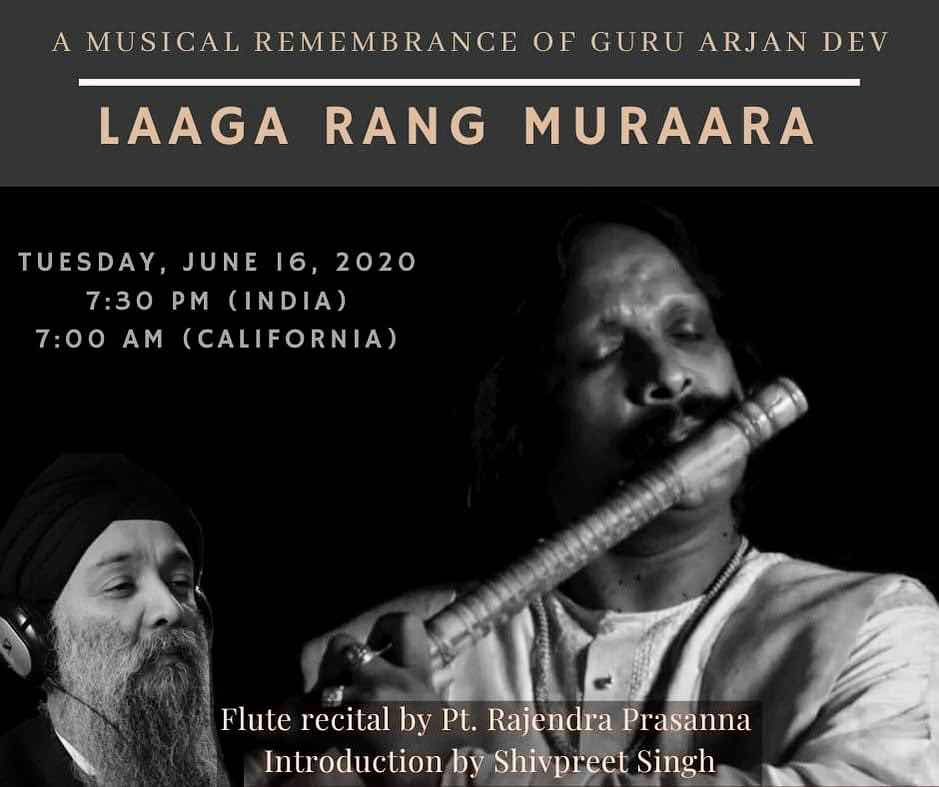
Raag Tukhari on Bansuri by Pt Rajendra Prasanna 2020
Friday, June 12, 2020
Monday, May 18, 2020
Geet in Covid Times
Thursday, May 7, 2020
Jania Achievement Award
Wednesday, April 29, 2020
Saturday, April 25, 2020
Punjab Ignorance -history of ancient Punjab
I am reproducing a blog which is great importance to a student of History:
Punjabi Ignorance
We, the Punjabis historically have not been documenting our own history. The Muslim Punjabis have almost forgotten their genetic ancestry and now try to connect their gene pool to the Arab aristocracy of Sayeds and Qureshis. The Pakistan government ignorantly names its missiles after the Islamic invaders who dispossessed their ancestors from their land. The Hindu Punjabis have written off their own ancestors, warriors kings, and Gurus and relate more to the Middle-India heroes such as Rama, Krishna, and Shivaji, The Sikhs have done a better job in staying connected to their roots but their historical reach is limited just to the Sikh period. Punjab history has to be taken as a whole, and that includes, Adivasis, Indus valley, Aryan Khatris, Kushans, Rajputs, Gujjars, Jatts, Islamic invaders, Sikh period, British rule, and the post independence era.
Trinity of Punjabi Pride
What's the Problem?
So what? The results of this ignorance is astounding. We never wrote our own history and our recent generations are oblivious of their roots. They grew up reading their history as written by others - Chinese, Persians, Greeks, Arabs, Mughals, British, and the Leftist or Hindutva leaning Indian scholars, or pro-Islamic Pakistanis.
Guru Nanak gave us the message of Ek Ongkar - One Creator for all Humankind. “Give me not a knife but a needle. I want to sew together, not stab,” sang Sheikh Farid. But we Punjabis didn't follow their wisdom and slit each others throat in some form of religious frenzy. In this process we lost our common heritage, culture, and history, We forgot the history of our own land in which our ancestors are buried or cremated.
Sons of Punjab Soil
Lost Cities of Punjab and Sindh
How many Punjabis and Sindhis know that they are the descendants of one of the most advanced civilization? The Indus Valley Civilization flourished in the basins of the Indus River, which flows through the length of Sindh and Punjab and then spreading along a system of five rivers that coursed one of the most fertile land in the world.
Sacred Hindu scriptures Vedas were composed here. Panini defined the grammar of Sanskrit on this land and Patanjali wrote Yoga Sutras in Punjab. The descendants of most of the Hindu Gods that all of India worships are the Khatris of Punjab, the only true Kshatriyas. Jainism and Nath traditions have roots in Punjab. Buddhism flourished here in Taxila, and a secular Sufism challenged the fascist Sharia in Punjab.
Lets nw look at some historic cities of Punjab and how these cities are related to Punjabi communities, otherwise known as cases or Last names.
Harappa
Mohenjo-daro in Sindh and Harappa in Punjab, emerged in 2600 BC along the Sindh River valley. Harappa is an archaeological site in West Punjab, about 15 mi west of Sahiwal. Harappa was mainly an urban city sustained by surplus agricultural production and commerce, the latter including trade with Mesopotamia. main characteristics included "differentiated living quarters, flat-roofed brick houses, residential irrigation and drainage system, and fortified administrative or religious centers."
Harrapa site on the banks of Sindh river
The weights and measures of Harappa were highly standardized, and conform to a set scale of gradations. Distinctive seals were used, among other applications, perhaps for identification of property and shipment of goods. Sindhis and Punjabis Aroras are most likely the direct descendants of Indus Valley Civilization.
Aror
Aror is the ancestral town of the Arora Community. Aror is the medieval name of the city of Rohri, Sindh was once the capital of Sindh. It was captured and sacked by Arab invader Muhammad bin Qasim in 711 AD. Arab historians recorded the city's name as Al-rur, Al-ruhr and Al Ror.
Ruins of Aror in Sindh
The city was totally destroyed by a powerful earthquake in 962 AD triggering the migration of its residents, the Aroras from Sindh to West Punjab.
Chhab
Just as Aror is the ancestral home of Arora community, Chhab is the ancestral home of the Chhabra community. It is located in along the banks of Sindh river in the Jand Tehsil of Attock District in West Punjab.
Chhab Railway Station
This site was overrun by the Khattak tribe of Pashtun invaders triggering mass migration of Chhabras to Sindh and West Punjab.
Gandhara
Gandhāra was an ancient region in the NW Frontier basin The region was at the confluence of the Kabul and Swat rivers, bounded by the Sulaiman Mountains on the west and the Indus River on the east. Gandhara's existence is attested since the time of the Rigveda (c. 1500 – c. 1200 BC), as well as the Zoroastrian Avesta, which mentions it as Vaēkərəta, the sixth most beautiful place on earth created by Ahura Mazda.
Gandhara People
Gandhara was founded by the Druhyu prince Gandhara who was the son of King Angara of Druhyu Dynasty. King Nagnajit of Gandhara was defeated and killed by Rama's brother Bharata. It gets mention in Mahabharata as Gandhari, the queen of K uru dynasty was the daughter of the king of Gandhara. Her brother Shakuni, the Gandhara prince was the political adviser of Kauravas against the Pandavas during the Kurukshetra War.
Gandhara King
Gandhara was one of 16 Mahajanapadas (large urban areas) of ancient India mentioned in Buddhist sources such as Anguttara Nikaya. It was conquered by the Achaemenid Empire in the 6th century BC. Conquered by Alexander the Great in 327 BC, it subsequently became part of the Maurya Empire. Gandharais ancestral home of Khatri last name Kandhari.
Kandahar province of Afghanistan is sometimes mistakenly associated with Gandhara. However, Kandahar is instead etymologically related to "Alexandria" a city created by Alexander.
Taxila
Taxila is the home of Kukhrain Khatri - the tribes of Kushrain or Kushan Khatris include - Anand, Bhasin, Chadha, Chandhok, Ghai, Ghandhoke, Kapoor, Kohli, Sabharwal, Sawhney/Sahni, Sethi, and Suri.
Rama's brother Bharata's 1st son Taksha established Takshasila (Taxila) in Gandhara on the banks of river Sindhu and 2nd son Pushkara established Pushkaravati (Pushkar) in Gandharva tribe on the banks of river Saraswati (Sirsa) in Haryana-Rajasthan border after defeating and killing its king Sailusha. Bharata's descendants ruled this kingdom afterwards. King Suvala was the ,father of Gandhari and Shakuni. After Mahabharata Shakuni's son was the last ruler of Bharata dynasty was defeated by Arjuna for Yudhishthira's Aswamedha Yagna.
Bodhistva from Taxila
Gandhara's culture peaked during the reign of the great Kushan king Kanishka the Great (128–151). The cities of Taxila (Takṣaśilā) at Sirsukh and Peshawar were built. Peshawar became the capital of a great empire stretching from Gandhara to Central Asia. Kanishka was a great patron of the Buddhist faith and Taxila University was known in the region as the center of Buddhist knowledge. Khukhrain Khatris are descendant of Kushans.
Wahika
Wahika or Vahika is an ancient region located near Rawalpindi and home of the Wahi Katris. Its name in Sanskrit suggests a spring garden valley. The town of Wah is located between Hassan Adbal and Taxila. The natives of Wah were annihilated by the Epthalite or Abdali Pashtoon tribe and Wahi Khatris are their descendants.
Map of Wah
Another place related to the Wahis is Takht-i-Bahi (Throne of the water spring"), which is an archaeological site of an ancient Buddhist monastery in Mardan, NW Frontier. The site is considered among the most imposing relics of Buddhism in all of and has been "exceptionally well-preserved.
Takht-i-Bahi in Mardan
Bahlika
The home of Behl Khatris is the ancient kingdom of Bahlika, more commonly known as Balkh in Afghanistan. Puranic evidence locates Bahlikas in Uttarapatha or North. The Brahmanda Purana attests that river Chaksu (Oxus or Amu Darya) flowed through the land of Bahlavas (Bahlikas).
King Bahlika had participated in the Mahabharata war with one Akshauhini (division) army of Bahlika soldiers and had sided with the Kauravas against the Pandavas.
Ruins of Ancient Bahlika
Balkh is a town in the Balkh Province of Afghanistan, about 12 mi northwest of the provincial capital, Mazar-e Sharif. It was a center of excellence for Buddhism and had close links with Persia as Zoroaster, the founder of the Persian Zoroastrian religion was originally from Balkh.
After defeating the Persians, the Arabs overran Balkh in 715 AD. In 1220 Genghis Khan sacked Balkh, butchered its inhabitants and leveled all the buildings – the suffering inflicted on Balkh again in the 14th century by Tamerlane, the Turk. The surviving Behls migrated to West Punjab.
Madra
Madra is the name of an ancient region and its inhabitants, located in the north-west division of the ancient Indian sub-continent. The Madra Kingdom's capital is located as the plains between rivers Ravi and Chenab in the Majha region of West Punjab.
Katas Raj Temple in West Punjab
Ancient epic, the Mahabharata that describes the armies of the Madra Kingdom led by King Shalya, marching from ancient Northwest Punjab to Haryana in support of the Pandavas. His sister Madri was the second queen of Pandu and mother of two Pandavs - Nakul and Sehdev. He however fought the battle on the the side of Kauravas against his own nephews.
Arora clan of Madan originate from the region.
Kaikeya
Kekayas or Kaikeyas is the ancestral home of Khatri clan Kakkars. They were an ancient people attested to have been living in north-western Punjab—between Gandhara and the Beas river since remote antiquity. The Kingdom of Kekaya was founded by Kekaya who was the father of Kaikeyi, the step mother of Rama.
Ruins of Amb Temple in Khusab, West Punjab
The Kekayas are said to have occupied the land now comprised by three districts of Jhelum, Shahpur and Gujerat in West Punjab. Ramayana lists the Kekaya metropolis as Rajagriha or Girivraja. which A. Cunningham has identified with Girjak in Khushab Tehsil on river Jhelum in the Jhelum district.
Sagala
Sagala or Sangla is likely the city of Sakala mentioned in the Mahabharata, a Sanskrit epic of ancient India, later mentioned by Greek accounts as Sagala. The city may have been inhabited by the Saka, or Scythians, from Central Asia who had migrated into the Subcontinent.
The city was razed in 326 BC during the invasion of Alexander the Great. In the 2nd century BC, Sagala was made capital of the Indo-Greek kingdom by Menander I. Menander embraced Buddhism after extensive debating with a Buddhist monk, as recorded in the Buddhist text Milinda Panha.
The city was visited by the Chinese traveler Xuan Zang in 633, who recorded the city's name as She-kie-lo. Xuan Zang reported that the city had been rebuilt approximately 2.5 miles, away from the city ruined by Alexander the Great.
Sangla Hill, West Punjab
The city was said to have been located in the region between the Chenab and Ravi rivers, now known as Sangla Hill. Punjabi bania community of Singla are related to Sangala. Some historians erroneously link Sagala with Sialkot.
Dinga
Dinga is ancestral home of Dhingra clan of Aroras. It is a city in District Gujrat, in West Punjab.It lies between the rivers Jhelum and Chenab. Dinga is about 62 mi from the India-Pakistan border.
Ancient Temple in Dinga, West Punjab
Mong
Mong is the ancestral home of Arora clan Mongia. It is a small town in the Mandi Bahauddin District in West Punjab province of Pakistan.
The origin of lentils Moong is associated with this region.
Multan
Multan city located in the South West Punjab is one of the oldest cities in South Asia, Ancient name of Multan was Mool-Sthan which in Sankrit means the "origin". It is said that when Alexander was fighting for Multan city, a poisoned arrow struck him, making him ill and eventually leading to his death. The exact place where Alexander was hit by the arrow can be seen in the old city premises. The noted Chinese traveler Huen Tsang also visited Multan in 641.
In the 8th century, Muhammad bin Qasim of Basra led the Arabs on a Gazi religious zeal to conquest of India and took Multan after conquering Sindh. He destroyed the water-course; upon which the inhabitants, oppressed with thirst, surrendered. He massacred the men capable of bearing arms, but the children and women were taken captive.
The most important place of the Hindu period was the "Surya Mandir". It was named after Sun god Aditiya, which is was shortened to Band even Ayt as in the case of Aditwara (or Aytwar) for Sunday. The ruins of Sun Mandir are located near the High Court of Multan.
Ruins of Sun Temple, Multan
Muhammad bin Qasim chose not to destroy the temple and Hindu pilgrims continued to visit it. Qasim took 6,000 priests of the Sun temple as captives most converted them to Islam. One Brahman of Multan confessed to Muhammad bin Qasim about a treasure hidden beneath the fountain. Muhammad bin Qasim found 330 chests of treasure containing 13300 mounds gold. Entire treasure was shifted via Debal to Basra on ships.
Whenever a Hindu king would plan to attack Multan, Qasim would threaten to destroy the temple and it's idol. In the 10th Century, Al-Biruni, regarded as one of the greatest scholars of the medieval Islamic era, also visited Multan and gave a glowing description of the temple.
The temple was finally destroyed in the 10th Century by Turk Mahmud of Ghazni. Eventually this temple was also abandoned and it turned into ruins.
In 1810, the temple was rebuilt when the area was under the rule of Sikhs. Alexander Cunningham described this temple as it was seen in 1853 by him and wrote that: “It was a square brick building with some very finely carved wooden pillars for the support of the roof.
Ruins of Sun Temple, Multan
A numbers of ancient Hindu temples have disappeared or are now occupied by land grabbers. These include Sun Temple on Suraj Kund Road, Narsingapuri and Prahladpuri Temples.
References
https://www.thehindubusinessline.com/news/variety/punjabiyat-that-defies-partition/article22993211.ece
https://en.wikipedia.org/wiki/Aror
https://www.dawn.com/news/1152687
http://chhabhistory.blogspot.com/2013/07/attock-khurd.html
https://en.wikipedia.org/wiki/Xuanzang
https://en.wikipedia.org/wiki/Great_Tang_Records_on_the_Western_Regions
https://archive.org/details/cu31924071132769/page/n219/mode/2up
https://web.archive.org/web/20130116083307/http://www.iep.utm.edu/xuanzang/
https://en.wikipedia.org/wiki/Gandhara
https://archive.org/stream/in.ernet.dli.2015.103863/2015.103863.Hindu-History-bc3000-To-1200-Ad_djvu.txt
https://en.wikipedia.org/wiki/Takht-i-Bahi
https://en.wikipedia.org/wiki/Bahlikas
https://en.wikipedia.org/wiki/Madra
https://en.wikipedia.org/wiki/Kekaya
https://en.wikipedia.org/wiki/Sagala
https://en.wikipedia.org/wiki/Dinga
https://en.wikipedia.org/wiki/History_of_Multan
https://www.sid-thewanderer.com/2017/11/sun-temple-multan-pakistan.html
LABELS: ANCIENT CITIES OF PUNJAB AROR BAHLIKA CHHAB DINGA GANDHARA HARAPPA INDIAN HISTORY KAIKEYA MADA MONG MULTAN PAKISTAN HISTORY PUNJAB PUNJABI SAGALA TAXILA WAH