Wednesday, March 8, 2023

Hola Mohalla


https://youtu.be/-0Z1pDYVlek

Mughal Empire and Indian Culture & Traditions

The Mughal Empire was a vast territory, as it controlled much of South Asia between the 16th and 19th centuries, or should we say, during its glory years. The geography of the empire will perhaps paint its magnanimity in the truest sense: It stretched from the outer fringes of the Indus river basin in the west, northern Afghanistan in the northwest, and Kashmir in the north, to the highlands of present-day Assam and Bangladesh in the east, and the uplands of the Deccan Plateau in South India. An empire this large always had various kinds of populations co-existing in harmony, each with its own distinct culture and traditions.

The Mughal Emperors knew about the dynamic nature of their empire, and that is why, they tried to embrace those cultures which were not their own, and sometimes, even took part enthusiastically in rituals and festivals. Holi, the festival of colour, was perhaps foreign to the Mughals. But they fell in love with the essence of colours in the air, and thus, had come to share an interesting relationship with the festival.

How did the Mughals play Holi?

In the 13th century, Amir Khusrau, the Indo-Persian Sufi singer, musician, poet and scholar, reportedly wrote many verses in celebration of Holi: “I shall play Holi as Khaaja has come home, blessed is my fortune, o friend, as Khaaja has come to my courtyard.”

Akbar, possibly one of the brightest rulers India has ever seen, strove to unite far-flung lands of his realm through loyalty, expressed through an Indo-Persian culture, to himself as an emperor. During his reign, Mughal India developed a strong and stable economy, leading to commercial expansion and greater patronage of culture. Akbar knew the importance of tolerance and ‘unity in diversity’, and that is why he encouraged the celebrations of all festivals in his realm with equal gusto.

In fact, Akbar was so enamoured by Holi that he started the tradition of playing it in his court. This tradition was carried forward by many other Mughal emperors who continued to celebrate the festival in their courts. It is said that he was particularly fond of the Holi celebrations in the Braj region.

Jahangir’s description of Holi

Jahangir, the son and successor of Akbar, reportedly wrote in his autobiography ‘Tuzk-e Jahangiri’ that he used to hold Mehfil-e-Holi. He also reportedly wrote, “Their day is Holi, which in their belief is the last day of the year. This day falls in the month of Isfandarmudh, when the sun is in Pisces. On the eve of this day, they light fires in all the lanes and streets. When it is daylight, they spray powder on each other’s heads and faces for one watch and create an amazing uproar. After that, they wash themselves, put their clothes on, and go to gardens and fields.” Many artists, specially Govardhan and Rasik, have shown Jahangir playing Holi with Nur Jahan, his wife.

Holi during Aurangzeb’s reign

A memoir penned in 1707 by Bhimsen Saxena, a Hindu subject of Aurangzeb, titled the ‘Tarikh-i Dilkusha’, states that Khan Jahan Bahadur Kotlashah, Raja Subban Singh, Rai Singh Rathore, Rai Anoop Singh, and Mokham Singh Chandrawat enjoyed the festival of colours. “Khan Bahadur’s sons Mir Ahsan and Mir Muhsin used to be more enthusiastic than Rajputs while playing Holi.” Also, many embers of Aurangzeb’s family used to participate in Holi celebrations with gusto.

The popularity of Holi in the Red Fort

Holi would be celebrated with as much grandeur as Eid in the Red Fort. It was called Eid-e-Gulabi or Aab-e-Pashi (Shower of Colourful Flowers), with everyone joining in. There would be fairs behind the Red Fort on the banks of the Yamuna, and a huge crowd would gather till Raj Ghat. Groups of travelling musicians and artists would gather under the Red Fort and display their tricks and talents. The mimics would imitate the emperor, prince and princesses too and nobody would get offended.

The emperor would lavishly reward the artists, and the queens, princesses and noble women would enjoy the entertainment from their jharokas (overhanging enclosed balconies). The grand celebration of Holi in the Red Fort with singing and dancing would continue throughout the night.

The last Mughal Emperor

The last Mughal Emperor, Bahadur Shah Zafar, allowed his Hindu ministers to smear his forehead with gulal on Holi. He believed that his religion would not be affected by this social ritual. In 1844, ‘Jam-e-Jahanuma’, an Urdu newspaper, wrote that during the days of Emperor Zafar, special arrangements were made for Holi festivities, and goes on to describe the frolicking and exchange of colour made from the tesu flowers. He even wrote a song for the occasion: “Kyun mope maari rang ki pichkaari/dekh kunwarji du’ngi gaari” which means in English “why have you squirted me with colour? O Kunwarji I will swear at you.”
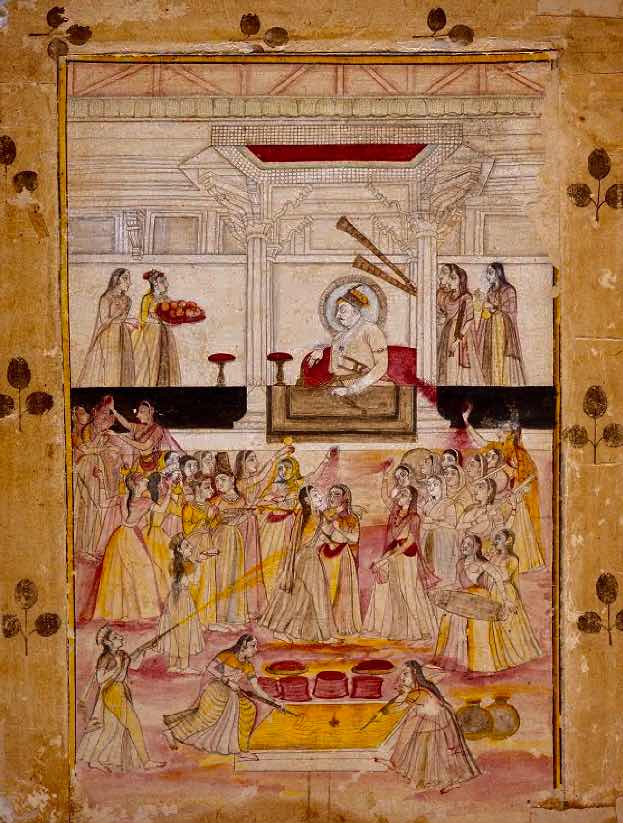
Holi in the eyes of Islam and Mughals

Eid-e-Gulabi: Did you know Holi has a rich Muslim history too?

Holi has a Muslim history as well.

Holi has a Muslim history as well. Revered Sufi saints like Hazrat Nizamuddin Aulia and Ameer Khusro have, in their chaste Persian and Hindvi poetry, adored the 'pink' festival generously.


The last Moghul Emperor, Bahadur Shah Zafar, allowed his Hindu ministers to smear his forehead with gulal on Holi. He believed that his religion would not be affected by this social ritual.

This enlightened spirit percolated among the Moghuls, right from the time of Emperor Akbar.

Jahangir has been shown holding Mehfil-e-Holi in `Tuzk-e-Jahangiri'. Many artists, specially Govardhan and Rasik, have shown Jahangir playing Holi with Noorjahan, his wife.

Mohammed Shah Rangila is shown running around the palace, his wife chasing him with a 'pichkari'. During Shahjahan's rule in Delhi, Holi was known as Id-e-Gulabi -- Pink Id -- or Aab-e-Pashi -- Shower of Colourful flowers.
Holi symbolises the commencement of a new year with a rabi harvest along with nice weather and refreshing air. The Umarahs, the Rajahs and the Nawabs all exchanged rose water bottles and sprinkled it on each other amid the frenzied drumming of the 'nagaras'.

More colour to Holi is added as it falls near the Muslim festival of Id-ul-Fitr.

Who says Holi is a Hindu festival, asks Munshi Zakaullah in his book "Tarikh-e-Hindustani".

"Jam-e-Jahanuma", an Urdu daily, said in 1844 that during the days of the Moghul Emperor Bahadur Shah Zafar, special arrangements were made for Holi festivities.

The major part of this ceremony used to be the sprinkling of yellow colour, prepared from Tesu ke Phool -- flowers producing yellow dye -- squirted with the help of syringes of various forms and kinds made of metal, glass and wood.

There also used to be the snowballing of red and yellow colour even on the king.

"Tehzib-ul-Akhlaq" mentions in 1855 how the king got his forehead smeared with colour.

A real colour riot used to be witnessed when dancing girls, bedecked with jewellery, used to go past the ramparts of the Red Fort, the veiled princesses ecstatic at the sight of the libertinism of Holi songs and the classical dance.

Most Holi songs were sung in the havelis and the lobbies of the rich. Some groups were known as Kufr Kachehris -- mock courts.

Urdu poetry gives a special place to Holi's colourful ceremonies. The greatest work on Holi has been compiled during the 17th and 18th centuries in Persian and Urdu.

Quli Qutab Shah, a renowned south Indian poet, wrote about Holi in his inimitable Hyderabadi Urdu, describing the festival of colours in the Braj and Bundelkhand regions in India's north.

Fayeez Dehlvi of Shahjahanabad wrote pleasing verse on the celebrations.

Wajid Sehri, a Delhi poet, mentions how Akbar Mahabali used to have many colourful ponds to enjoy a Holi dip.

Equally enjoyable are the poems of Mir Taqi Mir who joined the court of Nawab Asaf-ud-Daulah and wrote in praise of Jashne-e-Holi. Poets like Khwaja Haider Ali Aatish, Insha and Taban have written great Holi songs.

*Written by "Firoz Bakht Ahmed is a columnist, educator and grandnephew of Maulana Abul Kalam Azad, India's first Minister of Education

Here are some examples of celebration in Urdu poetry  'Holi' or 'Hori' 

🌼Hori Khelungi Kah Kar Bismillah
Poet: Bulleh Shah
By: Ashhad, Badin
hori khelungi kah kar Bismillah

nam nabi ki ratan chadhi bund padi Allah Allah
rang-rangili ohi khilawe jo sakhi howe fana-fillah
hori khelungi kah kar bismillah

alasto-be-rabbekum pitam bole sab sakhiyan ne ghunghat khole
qalu-bala hi yun kar bole la-ilaha il-lallah
hori khelungi kah kar bismillah

nahno-aqrab ki bansi bajai man-arafa-nafsah ki kuk sunai
fasamma wajhullah ki dhum machai wich darbar rasulallah
hori khelungi kah kar bismillah

hath jod kar panw padungi aajiz ho kar binti karungi
jhagda kar bhar jholi lungi nur Muhammad sallallah
hori khelungi kah kar bismillah

fazkuruni ki hori banaun washkuruli piya ko rijhaun
aise piya ke main bal-bal jaun kaisa piya subhan-allah
hori khelungi kah kar bismillah

sibaghatullah ki bhar pichkari allahus-samad piya munh par mari
nur nabi da haq se jari nur mohammad sallallah
'bulliha' shauh di dhum machi hai la-ilaha il-lallah
hori khelungi kah kar bismillah

Before the Mughals, even Muslim Sufi poets had used this festive opportunity to propagate the message of brotherhood. Holi was celebrated at most Sufi monasteries. Nizammuddin Aulia, who is considered to be among the first secular theorists, advocated love for people of all faiths. He also directed his protégée to compose poetry in the language of the commoners and started celebrating Holi at his monastery. 
🌼Khusrau was not only an enthusiastic Holi player but also composed verse for the occasion:
 Aaj rang hai, maa ri aaj rang hai
Morey khwaja ke ghar aaj rang hai
Mohey peer payo Nijamuddin aulia
Des bides mien phiri ri, tera rang bhayo nijamuddin aulia
Aaj sajan mila morey aangan mien
 (Its colour today, my mother its colour today, My beloved is found in my own yard).

This tradition of celebrating Holi became such an integral part of Sufi culture that even today, a ritual “rang” is observed on the last day of the annual celebrations at every shrine.

The tales of elaborate Holi celebrations abound as much in Lucknow as they do In Delhi. Nawab Saadat Ali Khan and Asifuddaula would spend crores on Holi celebrations. The participating nautch girls, singers, prostitutes and courtiers were famously rewarded with gold coins and velvet cloth.

The references to Holi are innumerable in Urdu poetry. Almost no important Urdu poet, from Khusrau to Sahir Ludhyanvi, left this topic untouched. 
🌼Nazeer Akbarabadi, who is hailed as an enthusiastic ambassador of Hindu culture, composed eight long poems about Holi. Shah Niaz, a Sufi and a poet, was a contemporary of Nazeer. 
He wrote: 
Hori hoye rahi hai Ahmad geo ke duwar
Hazrat Ali ke rang bano hai Hasan Husain khilar. 
Shah Niaz (Holi is being played at the gate of Prophet Mohammad, Ali has brought colours, Husain and Hasan are playing).

Qayam, an 18th century poet, has famously depicted the real naughtiness of Holi. His importance can be understood through Ghalib’s acknowledgement of Qayam as his Ustad. 
In his long poem Chandpur ki Holi,Qayam paints a scene of an inebriated Maulvi who has forgotten his way to the mosque. This is the state of people on Holi. People from all spheres of life whether pious or habitual drinkers, celebrate together and indulge in mud-slinging. It makes everyone equal and free. 
🌼Qayam ends his poem with a prayer: 
Ilahihai jab takke ye shor o shar ho alam mien 
Holi seybaqiasar
 (O God let the festivity of Holi survive till the world does).


The Mughal Empire was a vast territory, as it controlled much of South Asia between the 16th and 19th centuries, or should we say, during its glory years. The geography of the empire will perhaps paint its magnanimity in the truest sense: It stretched from the outer fringes of the Indus river basin in the west, northern Afghanistan in the northwest, and Kashmir in the north, to the highlands of present-day Assam and Bangladesh in the east, and the uplands of the Deccan Plateau in South India. An empire this large always had various kinds of populations co-existing in harmony, each with its own distinct culture and traditions.

The Mughal Emperors knew about the dynamic nature of their empire, and that is why, they tried to embrace those cultures which were not their own, and sometimes, even took part enthusiastically in rituals and festivals. Holi, the festival of colour, was perhaps foreign to the Mughals. But they fell in love with the essence of colours in the air, and thus, had come to share an interesting relationship with the festival.

How did the Mughals play Holi?

In the 13th century, Amir Khusrau, the Indo-Persian Sufi singer, musician, poet and scholar, reportedly wrote many verses in celebration of Holi: “I shall play Holi as Khaaja has come home, blessed is my fortune, o friend, as Khaaja has come to my courtyard.”

Akbar, possibly one of the brightest rulers India has ever seen, strove to unite far-flung lands of his realm through loyalty, expressed through an Indo-Persian culture, to himself as an emperor. During his reign, Mughal India developed a strong and stable economy, leading to commercial expansion and greater patronage of culture. Akbar knew the importance of tolerance and ‘unity in diversity’, and that is why he encouraged the celebrations of all festivals in his realm with equal gusto.

In fact, Akbar was so enamoured by Holi that he started the tradition of playing it in his court. This tradition was carried forward by many other Mughal emperors who continued to celebrate the festival in their courts. It is said that he was particularly fond of the Holi celebrations in the Braj region.

Jahangir’s description of Holi

Jahangir, the son and successor of Akbar, reportedly wrote in his autobiography ‘Tuzk-e Jahangiri’ that he used to hold Mehfil-e-Holi. He also reportedly wrote, “Their day is Holi, which in their belief is the last day of the year. This day falls in the month of Isfandarmudh, when the sun is in Pisces. On the eve of this day, they light fires in all the lanes and streets. When it is daylight, they spray powder on each other’s heads and faces for one watch and create an amazing uproar. After that, they wash themselves, put their clothes on, and go to gardens and fields.” Many artists, specially Govardhan and Rasik, have shown Jahangir playing Holi with Nur Jahan, his wife.

Holi during Aurangzeb’s reign

A memoir penned in 1707 by Bhimsen Saxena, a Hindu subject of Aurangzeb, titled the ‘Tarikh-i Dilkusha’, states that Khan Jahan Bahadur Kotlashah, Raja Subban Singh, Rai Singh Rathore, Rai Anoop Singh, and Mokham Singh Chandrawat enjoyed the festival of colours. “Khan Bahadur’s sons Mir Ahsan and Mir Muhsin used to be more enthusiastic than Rajputs while playing Holi.” Also, many embers of Aurangzeb’s family used to participate in Holi celebrations with gusto.

The popularity of Holi in the Red Fort

Holi would be celebrated with as much grandeur as Eid in the Red Fort. It was called Eid-e-Gulabi or Aab-e-Pashi (Shower of Colourful Flowers), with everyone joining in. There would be fairs behind the Red Fort on the banks of the Yamuna, and a huge crowd would gather till Raj Ghat. Groups of travelling musicians and artists would gather under the Red Fort and display their tricks and talents. The mimics would imitate the emperor, prince and princesses too and nobody would get offended.

The emperor would lavishly reward the artists, and the queens, princesses and noble women would enjoy the entertainment from their jharokas (overhanging enclosed balconies). The grand celebration of Holi in the Red Fort with singing and dancing would continue throughout the night.

The last Mughal Emperor

The last Mughal Emperor, Bahadur Shah Zafar, allowed his Hindu ministers to smear his forehead with gulal on Holi. He believed that his religion would not be affected by this social ritual. In 1844, ‘Jam-e-Jahanuma’, an Urdu newspaper, wrote that during the days of Emperor Zafar, special arrangements were made for Holi festivities, and goes on to describe the frolicking and exchange of colour made from the tesu flowers. He even wrote a song for the occasion: “Kyun mope maari rang ki pichkaari/dekh kunwarji du’ngi gaari” which means in English “why have you squirted me with colour? O Kunwarji I will swear at you.”


Monday, March 6, 2023

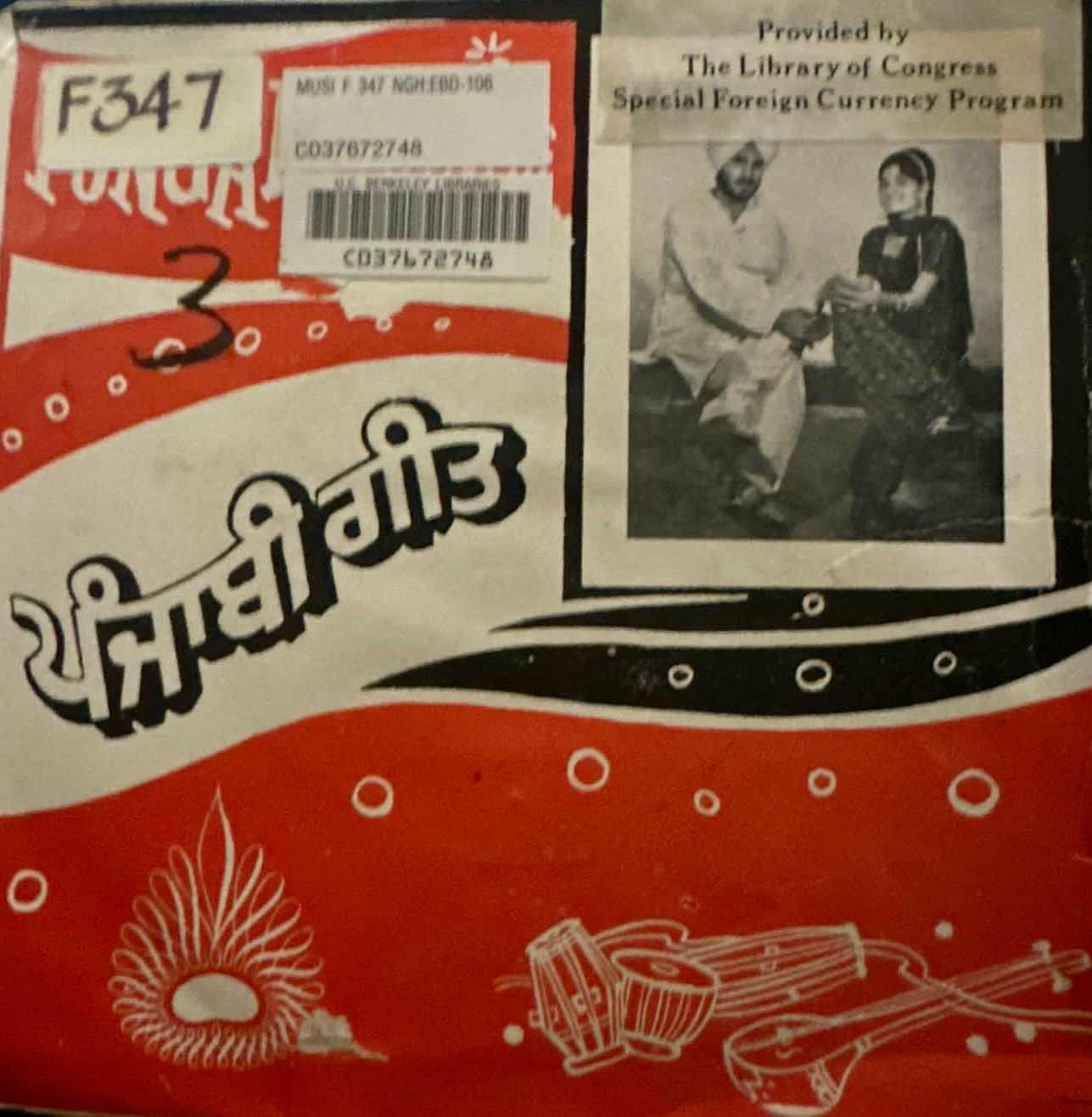
My Favorite Two In One Record Player

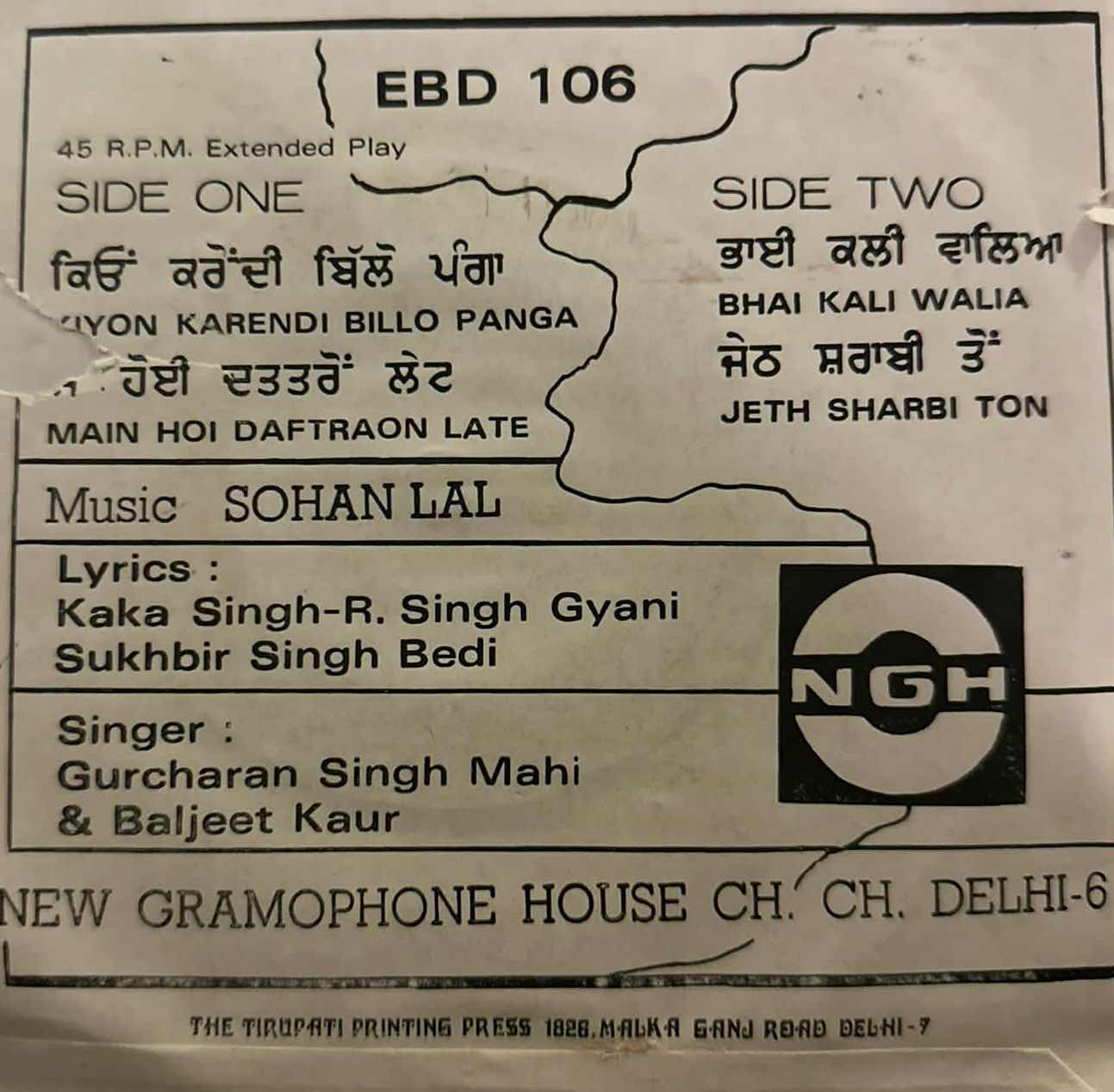
Nihal buys Record player and Punjabi records.


Pics Courtesy: Jasleen/Nihal


You may recall I had also Asa Di Var by Bh Samund Singh Ji. I bought a  JMV two in one Radio and record LP player and a few SP and EP records in 1970 when I constructed first face of A-21.


It was similar Model 

I reluctantly and with heavy heart garbaged the entire stuff when the house was demolished in 2010 to errect the current structure.
There were no takers at the that time and I wish Nihal would have been there to carry forward my legacy of interest in music listening inherited from my Mom. Shiv is, however, phenomenally engrossed in singing only from the time when he was barely 2-3 years of age and he aggressively possessed the Harmonium left over by my Mom.

Friday, March 3, 2023

My Soul is in a Hurry

The immortal words of Brazilian poet: Mário de Andrade:

" *𝑀𝑦 𝑆𝑜𝑢𝑙 𝐼𝑠 𝑖𝑛 𝐴 𝐻𝑢𝑟𝑟𝑦* ." 

𝐼 𝑐𝑜𝑢𝑛𝑡𝑒𝑑 𝑚𝑦 𝑦𝑒𝑎𝑟𝑠 𝑎𝑛𝑑 𝑟𝑒𝑎𝑙𝑖𝑧𝑒𝑑 𝑡ℎ𝑎𝑡 𝐼 ℎ𝑎𝑣𝑒 𝑙𝑒𝑠𝑠 𝑡𝑖𝑚𝑒 𝑡𝑜 𝑙𝑖𝑣𝑒 𝑡ℎ𝑎𝑛 𝑡ℎ𝑒 𝑡𝑖𝑚𝑒 𝐼 ℎ𝑎𝑣𝑒 𝑙𝑖𝑣𝑒𝑑 𝑠𝑜 𝑓𝑎𝑟.

*𝐼 ℎ𝑎𝑣𝑒 𝑚𝑜𝑟𝑒 𝑝𝑎𝑠𝑡 𝑡ℎ𝑎𝑛 𝑓𝑢𝑡𝑢𝑟𝑒* .

𝐼 𝑓𝑒𝑒𝑙 𝑙𝑖𝑘𝑒 𝑡ℎ𝑎𝑡 𝑏𝑜𝑦 𝑤ℎ𝑜 ℎ𝑎𝑑 𝑎 𝑏𝑜𝑤𝑙 𝑜𝑓 𝑐ℎ𝑒𝑟𝑟𝑖𝑒𝑠. 𝐴𝑡 𝑓𝑖𝑟𝑠𝑡, ℎ𝑒 𝑔𝑜𝑏𝑏𝑙𝑒𝑑 𝑡ℎ𝑒𝑚, 𝑏𝑢𝑡 𝑤ℎ𝑒𝑛 ℎ𝑒 𝑟𝑒𝑎𝑙𝑖𝑧𝑒𝑑 𝑡ℎ𝑒𝑟𝑒 𝑤𝑒𝑟𝑒 𝑜𝑛𝑙𝑦 𝑓𝑒𝑤 𝑙𝑒𝑓𝑡, *ℎ𝑒 𝑏𝑒𝑔𝑎𝑛 𝑡𝑜 𝑡𝑎𝑠𝑡𝑒 𝑡ℎ𝑒𝑚 𝑖𝑛𝑡𝑒𝑛𝑠𝑒𝑙𝑦 𝑎𝑛𝑑 𝑝𝑎𝑠𝑠𝑖𝑜𝑛𝑎𝑡𝑒𝑙𝑦* ...

𝐼 *𝑛𝑜 𝑙𝑜𝑛𝑔𝑒𝑟 ℎ𝑎𝑣𝑒 𝑡𝑖𝑚𝑒 𝑡𝑜 𝑑𝑒𝑎𝑙* 𝑤𝑖𝑡ℎ 𝑚𝑒𝑑𝑖𝑜𝑐𝑟𝑖𝑡𝑦/𝑜𝑟𝑑𝑖𝑛𝑎𝑟𝑦.

𝐼 *𝑑𝑜 𝑛𝑜𝑡 𝑤𝑎𝑛𝑡 𝑡𝑜 𝑏𝑒* 𝑖𝑛 𝑚𝑒𝑒𝑡𝑖𝑛𝑔𝑠 𝑤ℎ𝑒𝑟𝑒 𝑓𝑙𝑎𝑚𝑒𝑑 𝑒𝑔𝑜𝑠 𝑝𝑎𝑟𝑎𝑑𝑒....
𝐼 𝑎𝑚 𝑏𝑜𝑡ℎ𝑒𝑟𝑒𝑑 𝑏𝑦 𝑡ℎ𝑒 𝑒𝑛𝑣𝑖𝑜𝑢𝑠, 𝑤ℎ𝑜 𝑠𝑒𝑒𝑘 𝑡𝑜 𝑑𝑖𝑠𝑐𝑟𝑒𝑑𝑖𝑡 𝑡ℎ𝑒 𝑚𝑜𝑠𝑡 𝑎𝑏𝑙𝑒, 𝑡𝑜 𝑢𝑠𝑢𝑟𝑝 𝑡ℎ𝑒𝑖𝑟 𝑝𝑙𝑎𝑐𝑒𝑠, 𝑐𝑜𝑣𝑒𝑡𝑖𝑛𝑔 𝑡ℎ𝑒𝑖𝑟 𝑠𝑒𝑎𝑡𝑠, 𝑡𝑎𝑙𝑒𝑛𝑡, 𝑎𝑐ℎ𝑖𝑒𝑣𝑒𝑚𝑒𝑛𝑡𝑠 𝑎𝑛𝑑 𝑙𝑢𝑐𝑘.

𝐼 𝑡𝑟𝑢𝑙𝑦 *𝑑𝑜 𝑛𝑜𝑡 ℎ𝑎𝑣𝑒 𝑡𝑖𝑚𝑒* 𝑓𝑜𝑟 𝑒𝑛𝑑𝑙𝑒𝑠𝑠 𝑐𝑜𝑛𝑣𝑒𝑟𝑠𝑎𝑡𝑖𝑜𝑛𝑠,
𝑢𝑠𝑒𝑙𝑒𝑠𝑠 𝑑𝑖𝑠𝑐𝑢𝑠𝑠𝑖𝑜𝑛𝑠 𝑎𝑏𝑜𝑢𝑡 𝑡ℎ𝑒 𝑙𝑖𝑣𝑒𝑠 𝑜𝑓 𝑜𝑡ℎ𝑒𝑟𝑠 𝑤ℎ𝑜 𝑎𝑟𝑒 𝑖𝑟𝑟𝑒𝑙𝑒𝑣𝑎𝑛𝑡 𝑡𝑜  𝑚𝑖𝑛𝑒.....

𝐼 *𝑛𝑜 𝑙𝑜𝑛𝑔𝑒𝑟 ℎ𝑎𝑣𝑒 𝑡ℎ𝑒 𝑡𝑖𝑚𝑒* 𝑡𝑜 ℎ𝑎𝑛𝑑𝑙𝑒 𝑜𝑟 𝑚𝑎𝑛𝑎𝑔𝑒 𝑡ℎ𝑒 𝑠𝑒𝑛𝑠𝑖𝑡𝑖𝑣𝑖𝑡𝑖𝑒𝑠 𝑜𝑓 𝑝𝑒𝑜𝑝𝑙𝑒 𝑤ℎ𝑜, 𝑑𝑒𝑠𝑝𝑖𝑡𝑒 𝑡ℎ𝑒𝑖𝑟 𝑐ℎ𝑟𝑜𝑛𝑜𝑙𝑜𝑔𝑖𝑐𝑎𝑙 𝑎𝑔𝑒, 𝑎𝑟𝑒 𝑖𝑚𝑚𝑎𝑡𝑢𝑟𝑒.....

𝐼 *ℎ𝑎𝑡𝑒 𝑡𝑜 𝑐𝑜𝑛𝑓𝑟𝑜𝑛𝑡 𝑡ℎ𝑜𝑠𝑒 𝑤ℎ𝑜 𝑠𝑡𝑟𝑢𝑔𝑔𝑙𝑒 𝑓𝑜𝑟 𝑝𝑜𝑤𝑒𝑟* , 𝑎𝑛𝑑 𝑡ℎ𝑜𝑠𝑒 𝑤ℎ𝑜 𝑑𝑜 𝑛𝑜𝑡 𝑑𝑒𝑏𝑎𝑡𝑒 𝑡ℎ𝑒 𝑐𝑜𝑛𝑡𝑒𝑛𝑡, 𝑗𝑢𝑠𝑡 𝑡ℎ𝑒 𝑙𝑎𝑏𝑒𝑙𝑠....
𝑀𝑦 𝑡𝑖𝑚𝑒 ℎ𝑎𝑠 𝑏𝑒𝑐𝑜𝑚𝑒 𝑠𝑐𝑎𝑟𝑐𝑒 𝑡𝑜 𝑑𝑒𝑏𝑎𝑡𝑒 𝑙𝑎𝑏𝑒𝑙𝑠. *𝐼 𝑐𝑎𝑛 𝑢𝑛𝑑𝑒𝑟𝑠𝑡𝑎𝑛𝑑 𝑡ℎ𝑒   𝑖𝑛𝑛𝑒𝑟 𝑒𝑠𝑠𝑒𝑛𝑐𝑒 𝑖𝑛 𝑡ℎ𝑖𝑠 𝑤𝑜𝑟𝑙𝑑 𝑛𝑜𝑤* .....

 *𝑀𝑦 𝑠𝑜𝑢𝑙 𝑖𝑠 𝑖𝑛 𝑎 ℎ𝑢𝑟𝑟𝑦* ....
*𝑁𝑜𝑡 𝑚𝑎𝑛𝑦 𝑐ℎ𝑒𝑟𝑟𝑖𝑒𝑠 𝑙𝑒𝑓𝑡  𝑖𝑛 𝑚𝑦 𝑏𝑜𝑤𝑙* ....

𝐼 *𝑤𝑎𝑛𝑡 𝑡𝑜 𝑙𝑖𝑣𝑒 𝑐𝑙𝑜𝑠𝑒 𝑡𝑜 𝑝𝑒𝑜𝑝𝑙𝑒* 𝑤ℎ𝑜 𝑎𝑟𝑒 "ℎ𝑢𝑚𝑎𝑛" -
*ℎ𝑢𝑚𝑎𝑛𝑠 𝑤ℎ𝑜 𝑙𝑎𝑢𝑔ℎ 𝑎𝑡 𝑡ℎ𝑒𝑖𝑟 𝑜𝑤𝑛 𝑤𝑒𝑎𝑘𝑛𝑒𝑠𝑠𝑒𝑠* ;

..𝑎𝑛𝑑 𝑎𝑤𝑎𝑦 𝑓𝑟𝑜𝑚 𝑡ℎ𝑜𝑠𝑒 𝑏𝑒𝑐𝑎𝑚𝑒 𝑠𝑚𝑢𝑔 𝑎𝑛𝑑 𝑜𝑣𝑒𝑟𝑐𝑜𝑛𝑓𝑖𝑑𝑒𝑛𝑡 𝑤𝑖𝑡ℎ 𝑡ℎ𝑒𝑖𝑟 𝑡𝑟𝑖𝑢𝑚𝑝ℎ𝑠, 𝑎𝑛𝑑 𝑎𝑤𝑎𝑦 𝑓𝑟𝑜𝑚 𝑡ℎ𝑜𝑠𝑒 𝑓𝑖𝑙𝑙𝑒𝑑 𝑤𝑖𝑡ℎ 𝑠𝑒𝑙𝑓-𝑖𝑚𝑝𝑜𝑟𝑡𝑎𝑛𝑐𝑒.....

 *𝑇ℎ𝑒 𝑒𝑠𝑠𝑒𝑛𝑡𝑖𝑎𝑙𝑠 𝑎𝑟𝑒 𝑤ℎ𝑎𝑡 𝑚𝑎𝑘𝑒 𝑙𝑖𝑓𝑒 𝑤𝑜𝑟𝑡ℎ𝑤ℎ𝑖𝑙𝑒* 
 𝐴𝑛𝑑 𝑓𝑜𝑟 𝑚𝑒, 𝑡ℎ𝑒 𝑒𝑠𝑠𝑒𝑛𝑡𝑖𝑎𝑙𝑠 𝑎𝑟𝑒 𝑚𝑜𝑟𝑒 𝑡ℎ𝑎𝑛 𝑒𝑛𝑜𝑢𝑔ℎ!
 *𝑌𝑒𝑠, 𝐼’𝑚 𝑖𝑛 𝑎 ℎ𝑢𝑟𝑟𝑦* .
𝐼’𝑚 𝑖𝑛 𝑎 ℎ𝑢𝑟𝑟𝑦 𝑡𝑜 𝑙𝑖𝑣𝑒 𝑤𝑖𝑡ℎ 𝑡ℎ𝑒 𝑖𝑛𝑡𝑒𝑛𝑠𝑖𝑡𝑦 𝑎𝑛𝑑 𝑝𝑎𝑠𝑠𝑖𝑜𝑛𝑎𝑡𝑒𝑙𝑦 𝑡ℎ𝑎𝑡 𝑜𝑛𝑙𝑦 𝑚𝑎𝑡𝑢𝑟𝑖𝑡𝑦 𝑐𝑎𝑛 𝑔𝑖𝑣𝑒....
𝐼 𝑑𝑜 𝑛𝑜𝑡 𝑖𝑛𝑡𝑒𝑛𝑑 𝑡𝑜 𝑤𝑎𝑠𝑡𝑒 𝑎𝑛𝑦 𝑜𝑓 𝑡ℎ𝑒 𝑟𝑒𝑚𝑎𝑖𝑛𝑖𝑛𝑔 _𝑐ℎ𝑒𝑟𝑟𝑖𝑒s_....
 *𝐼 𝑎𝑚 𝑠𝑢𝑟𝑒 𝑡ℎ𝑒𝑦 𝑤𝑖𝑙𝑙 𝑏𝑒 𝑒𝑥𝑞𝑢𝑖𝑠𝑖𝑡𝑒, 𝑚𝑢𝑐ℎ 𝑚𝑜𝑟𝑒 𝑡ℎ𝑎𝑛 𝑡ℎ𝑜𝑠𝑒 𝑒𝑎𝑡𝑒𝑛 𝑠𝑜 𝑓𝑎𝑟* .

𝐴𝑠 𝑠𝑎𝑖𝑑 𝑏𝑦 *𝐶𝑜𝑛𝑓𝑢𝑐𝑖𝑢𝑠* : “𝑊𝑒 ℎ𝑎𝑣𝑒 𝑡𝑤𝑜 𝑙𝑖𝑣𝑒𝑠. 
𝑇ℎ𝑒 𝑠𝑒𝑐𝑜𝑛𝑑 𝑏𝑒𝑔𝑖𝑛𝑠 𝑤ℎ𝑒𝑛 𝑦𝑜𝑢 𝑟𝑒𝑎𝑙𝑖𝑧𝑒 𝑦𝑜𝑢 𝑜𝑛𝑙𝑦 ℎ𝑎𝑣𝑒 𝑜𝑛𝑒.”

Monday, February 27, 2023

Our Beloved Nana ji


Lala Kanwar Bhan 1874-1946


He was a Quarter Master in British Indian Army, who is supposed to be in Ration Control. So was our uncle L Jagat Narain and his older son late S Hari Narayan Singh.
He fought in First WW. He was born around 1874 and died around 1946. He was diabetic and his cataract surgery did not heal and died after a few months on bed. He was very fair with blond hair and nicknamed and teased  as ‘Bhoora Bandar’ but no body could dare telling him on his face.
He was very brave and won laurels and awards in the war. He brought a suitcase full of gold coins as reward. I do posses couple of coins even today. All his doughters got one each. As I stayed with Nani Ji, She gave me another. He was famous as angry and straight forward man.

After Gurdwara he will stop by our house to enquire about his youngest daughter.

On a Saturday July 29th, 1944, as he stopped by the house he got the news a boy (me) has been blessed. He thanked Waheguru that he heared only a good news as it would have been difficult to bear seeing the labor pains of his youngest daughter at his old age. He went back and prayed Ardaas for Waheguru’s thankfulness.


Friday, February 24, 2023

Open letter to CM Bhagwant Mann

@BhagwantMann Hi Dear MAN YOG, Harman pyare Malwai Puttar, Gur Fateh!
I am S Preet Mohan Singh from California. After quitting my job as a Deputy Director in the ministry of Energy GOI, I have settled in Bay Area for the last 35 years. 
I am a successful serial entrepreneur along with my son S Shivpreet Singh who being a Forbes listed Analyst is into Investment Banking, Development of Oncology drugs, philanthropy (Non Profit) and real estate etc. 
I also own an agricultural land of about 37 Acres in village Badbar, Distt Barnala. My land is 3 Acres away from main Sangrur-Barnala highway just a stones throw from Toll Plaza near Dhanoula. 
In view of investment atmosphere created by your Government prevailing in Punjab today, I am open to contribute in terms of land holding with any Major Prominent partner on Collaboration basis. I have a strong desire to pay back my fellow Punjabis. 
Let me know if any opportunity in this direction. 

Wishing you all the best in your fantastic endeavor for our Punjab.  
With warm regards.

Preetmohan@yahoo.com
408-429-3729

Thursday, February 23, 2023

Hindenburg Research Report

The Hindenburg a short sell Research Compay came out with a 413 page report and is making waves to the level of Tsunami. The Indian Stock market has taken a tremendous jolt.

Adani supporters are downsizing the effect of the report that this company is only established in the last five years in 2017 and has only 5 employees. How can such company with meager resources can challenge a worlds richest man.

I also discussed with Shiv as his job was do research on Biotechnology sector. His observation on such a research job is given below:

Usually Research firms are with small employees.
I shall tell you a story on Shiv. They were two member team. Shiv researched Gilead, and with his report the stocks fell down 50% and they lost 1B in one day.
Later they threatened him that he knew where he lived and had two young kids.
It’s normal in this business.

The above story he narrated me today after 15 years. He purposely avoided to disclose it to me.

I dug out the internet another report below:

By Ron Leuty  
 
Updated 

Gilead Sciences Inc. shares dipped on Monday as a stock analyst said the Foster City-based company (NASDAQ: GILD) faces a steep patent cliff, beginning in 2014.

Patents for the HIV drug Viread, flu treatment Tamiflu and hepatits B treatment Hepsera are among those that lose their legal protection between 2014 and 2018, Morgan Joseph analyst Shiv Kapoor said, according to the Associated Press. Along with “underwhelming acquisitions” and the clinical failure of blood pressure drug Darusentan, the loss of key patents leads to “our pessimism about Gilead’s ability to diversify its revenue,” Kapoor wrote in a research note.

“We believe Gilead has the worst patent cliff in the large-cap biotechnology industry due to its concentration of sales from certain drugs and because its drugs are easily genericized small molecules,” Kapoor wrote.

Kapoor downgraded the stock two notches — to “sell” from “buy” — and cut his price target to $37 per share from $57.

Wednesday, February 22, 2023

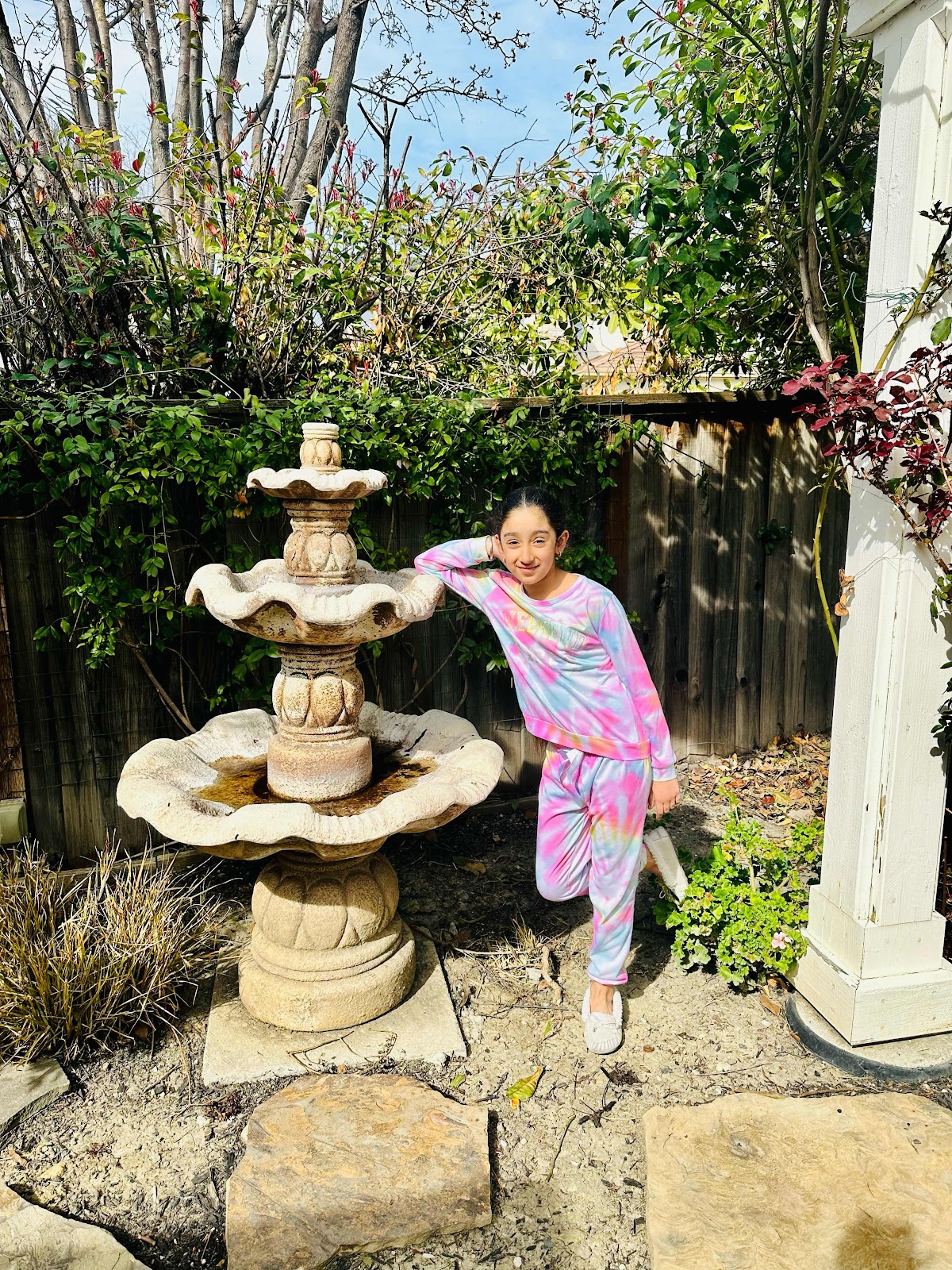
Geet Takes Photography lessons

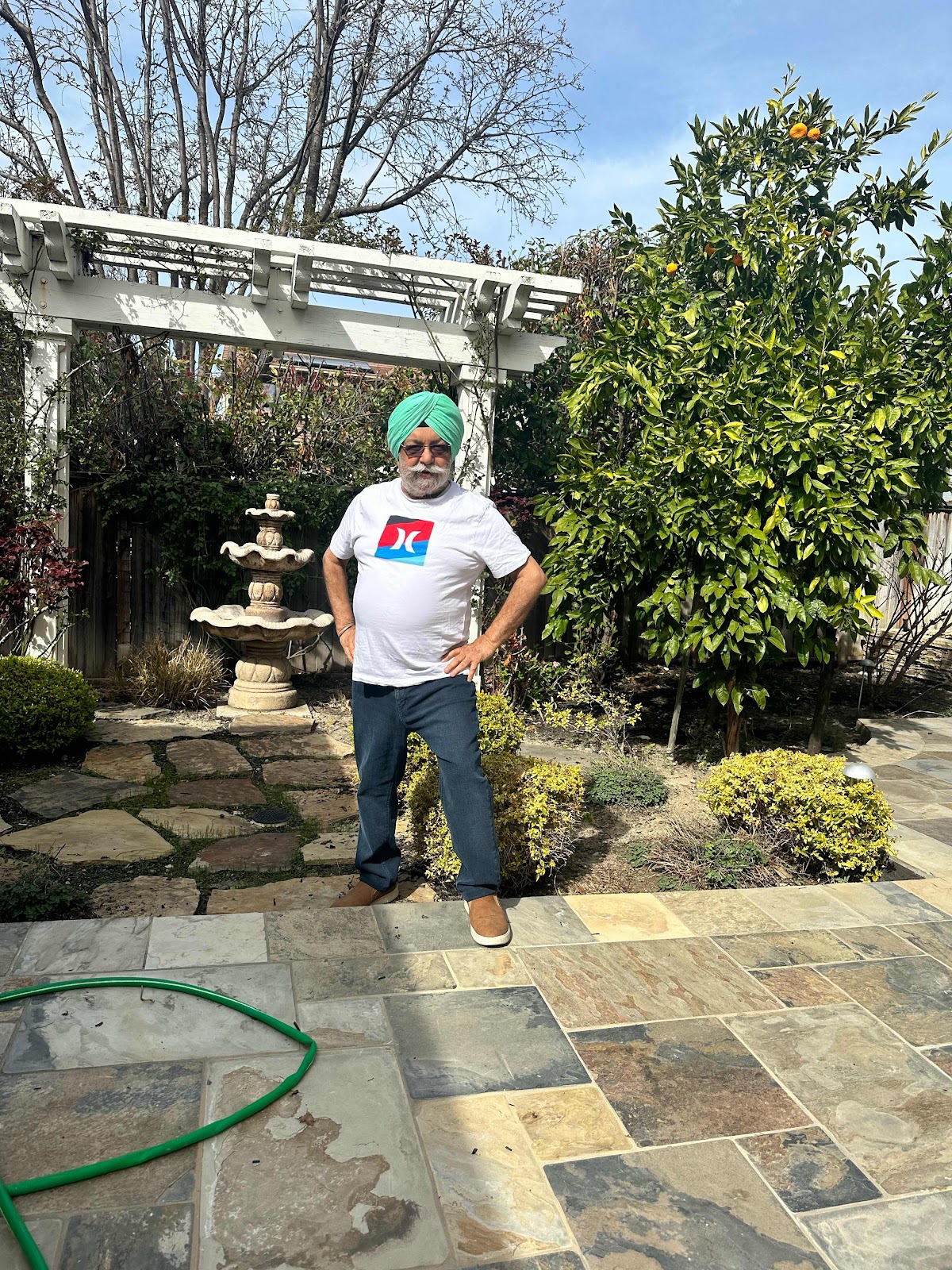
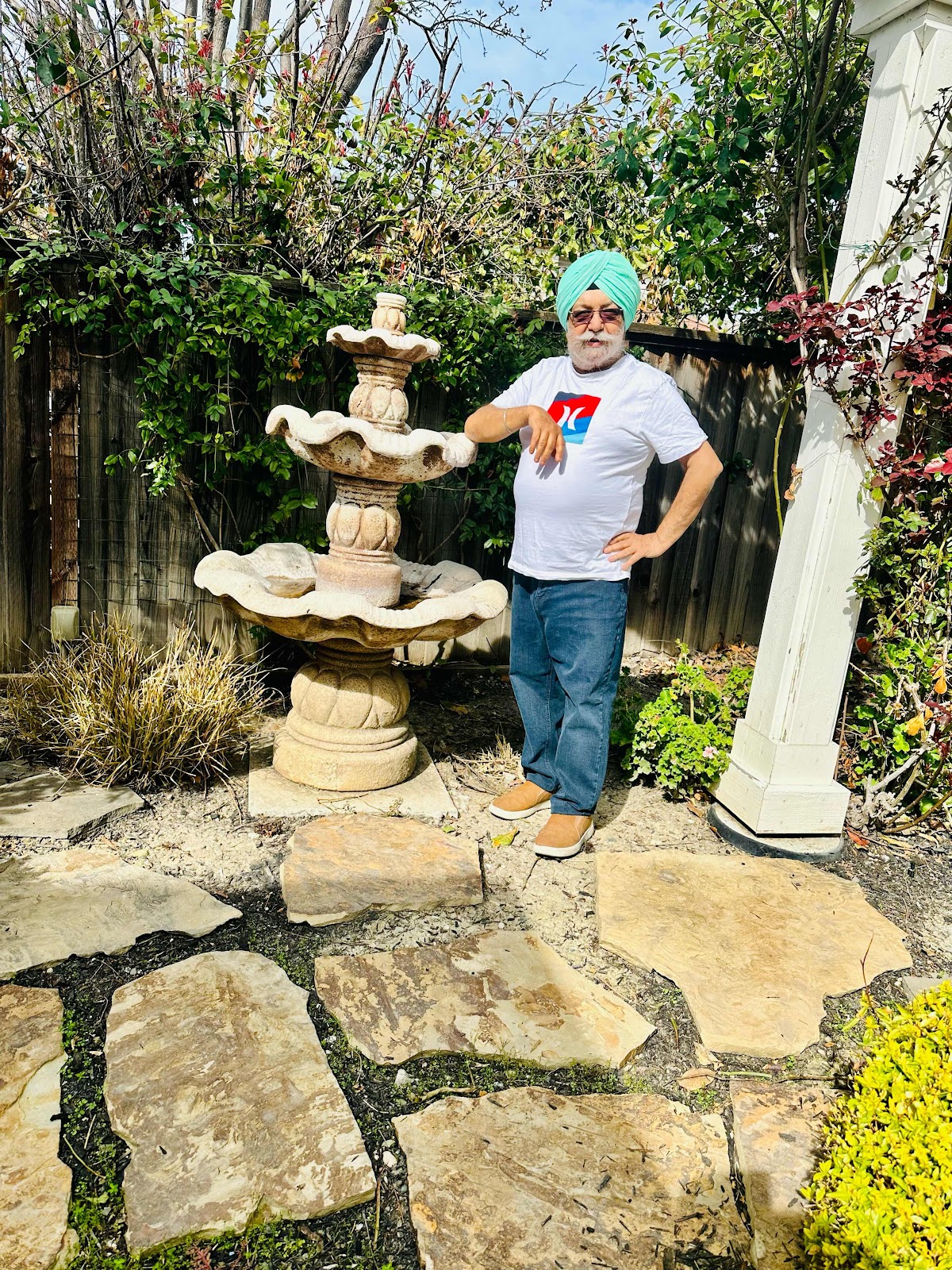
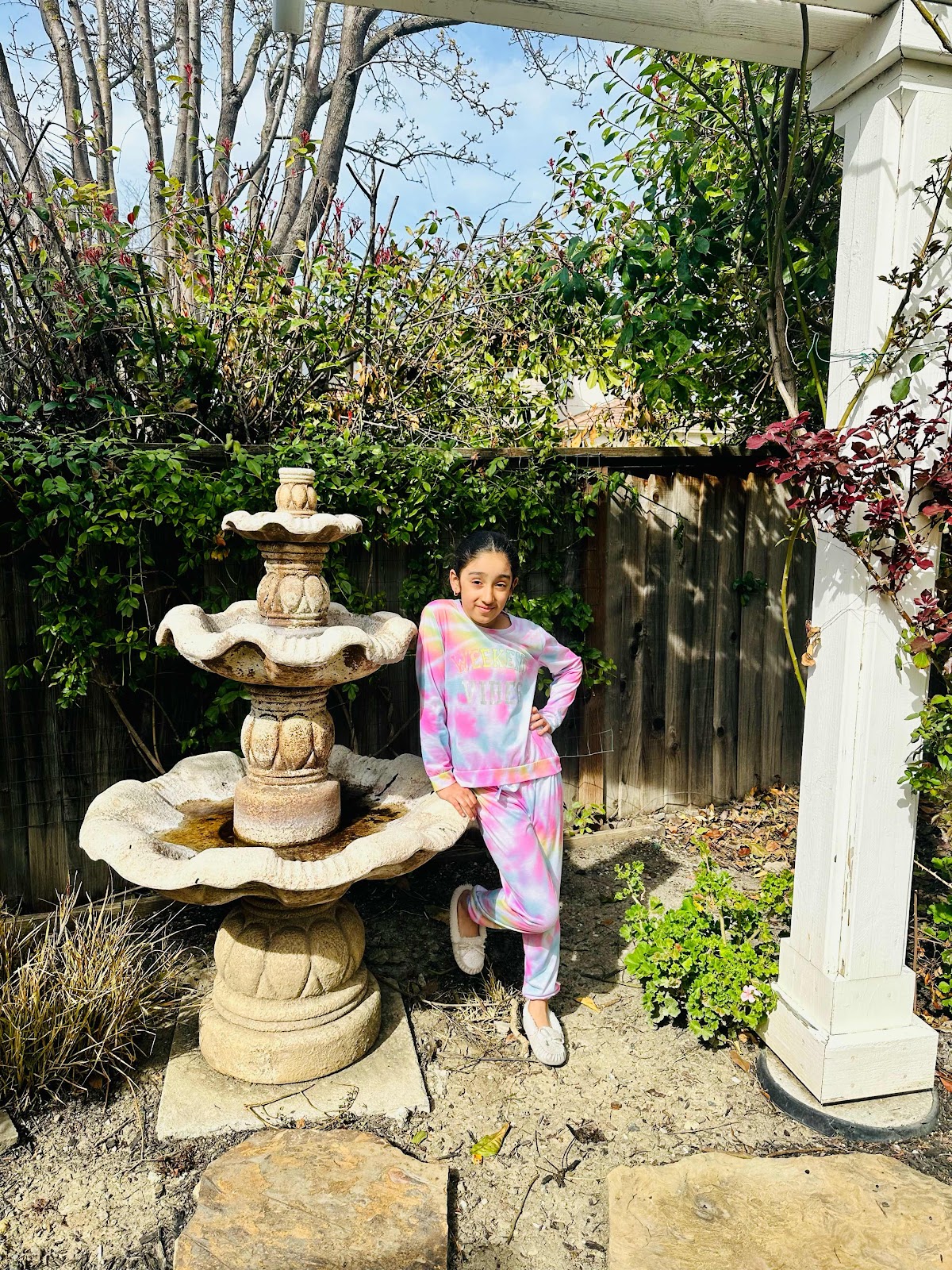
Geet is a very keen learner of Arts and Sciences. On my request she jumped upon the idea to learn the art of Photography from me. 
So we decided to be each other’s models for learning the art of Photography. Photo composing with emphasis on back ground scenario was practiced. I made it sure that the object was placed with in 6 ft of the camera lens. She was also told to how to lock the focus on background initially.

Well done Geet!


Tuesday, February 14, 2023

When Dr Manmohan Singh Khanna visits Badbar House


A few hours after I had got aligned the name plate of our house in Badbar, I had the first visitor to new house Same day-Same place-Born Mannu. Dr Manmohan Singh Khanna, former Principal of Govt Medical College Amritsar, affectionately also known as Mannu. He along with his son and nephew happened to visit Badbar and made it a point to shoot a pic in front of historic name plate. 

It's wonderful to hear that Dr. Manmohan Singh Khanna, along with his son and nephew, visited our house in Badbar and took a picture in front of the historic name plate. 

Remodeling the house in memory of our late grandma, Bhabhi ji Karam Devi, our Papa ji Sardar Vas dev Singh, and our mother Bibi Ji Savitri Devi is a beautiful way to honor their lives. It must have been a special day for me and my sibling..

Me flanked by Mannu and his sister Surjit on our last visit to Amritsar in Apr 2022

That's incredible how technology allows us to connect and share meaningful moments! It's heartwarming to hear that Mannu posted the historic picture of your house and expressed such kind words about it, reminiscing about visits to your grandmother, Bhabhi Ji. The fact that both you and Mannu were born to cousins in the same neighborhood of Mohalla Aghapura Multan in British India, just a few hours apart, shows a fascinating connection and shared history. It's amazing how life can intertwine in such unexpected ways.

Wednesday, February 8, 2023

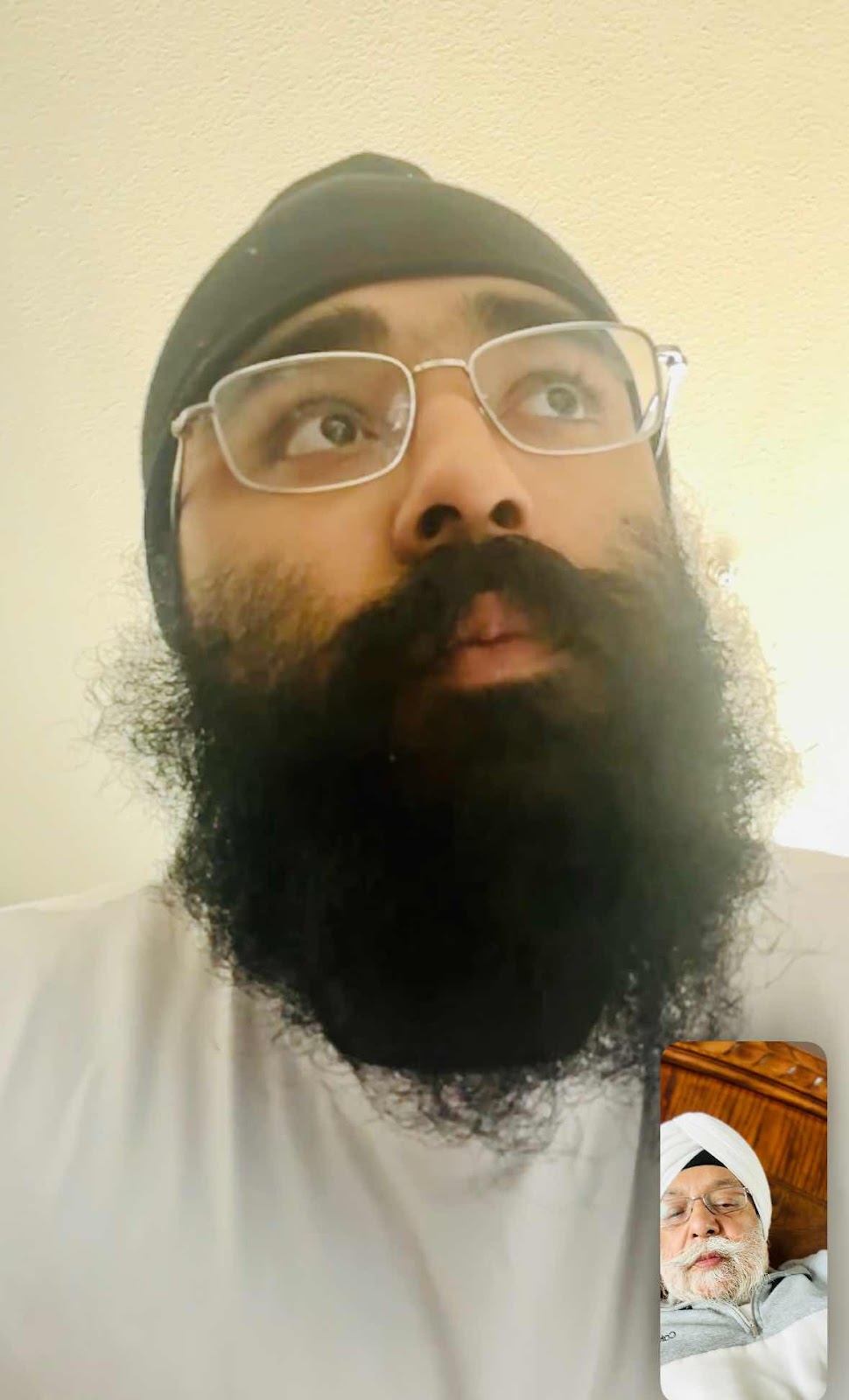
While on-line Chatting with Gobind

The Joy of Online Chatting with Grandson Gobind


In today's digital age, technology has transformed the way we communicate and connect with our loved ones. One of the remarkable aspects of this digital revolution is the ability to engage in online chatting. As a grandparent, I have had the pleasure of experiencing the joy and wonders of online chatting with my grandson, Gobind. This blog explores the meaningful bond and unique benefits that arise from connecting across generations through online platforms.

Online chatting has revolutionized intergenerational relationships, allowing grandparents like me to connect with grandchildren like Gobind in ways that were once unimaginable. The ability to bridge distances, share moments, learn from one another, provide emotional support, and preserve family history are just some of the remarkable benefits that arise from this technological marvel. As the world continues to evolve, let us embrace these digital tools to nurture and strengthen the bonds with our loved ones across generations, creating lasting memories and connections that will transcend time and space.


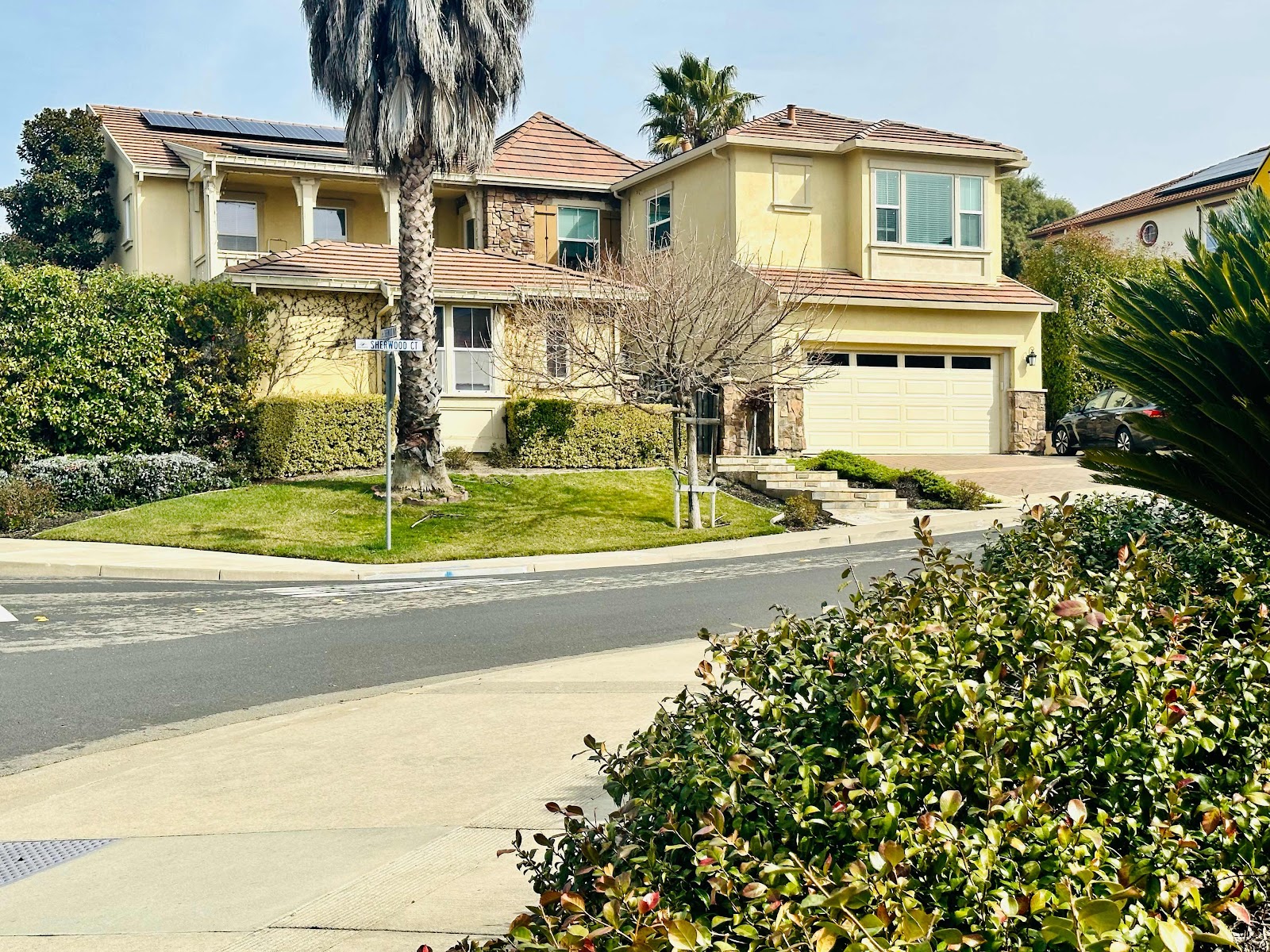
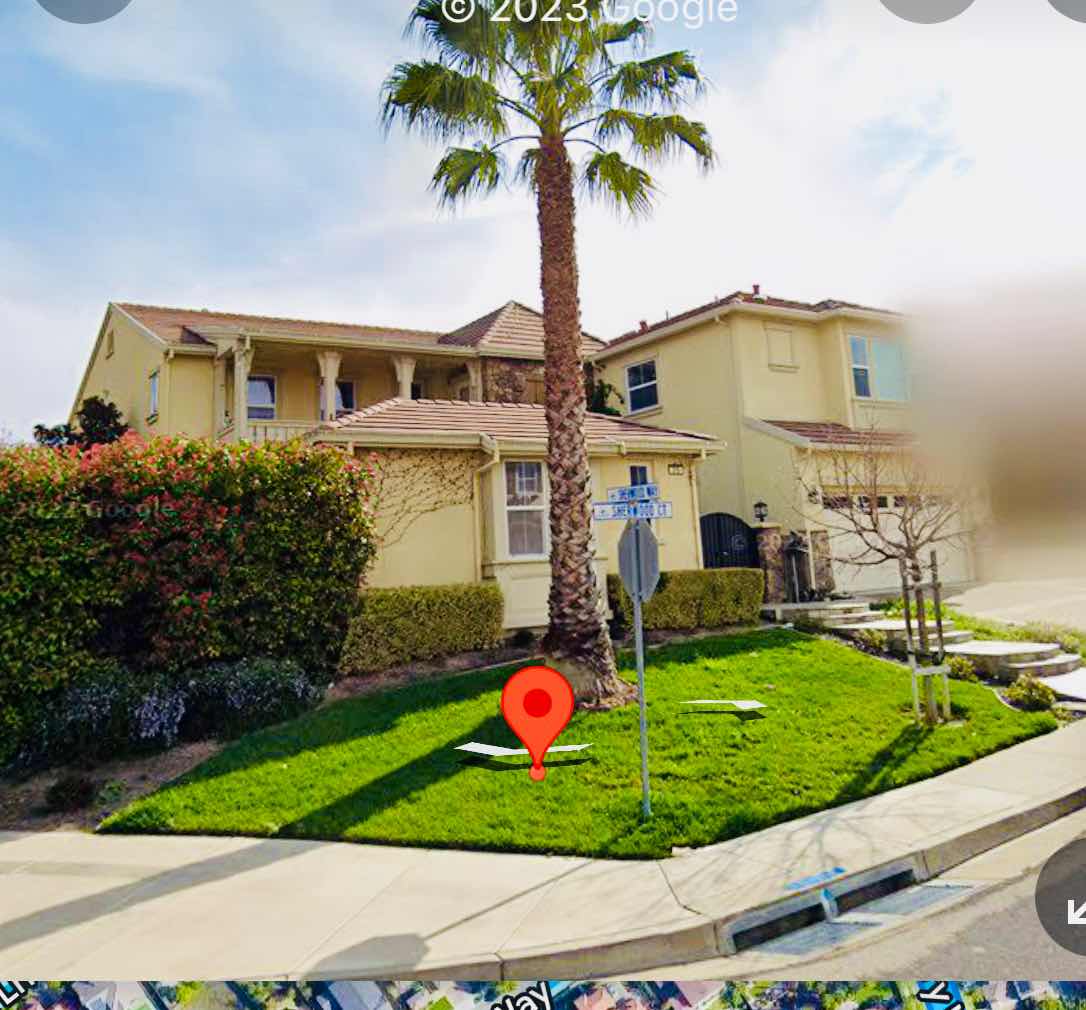
Google View of Sherwood House


Monday, February 6, 2023

Dalai Lama Quote

It is important to be honest and truthful in all our dealings with others. A meaningful life is one that is based on moral integrity, honesty and truthfulness.